Retainer Cleaning Guide: Keep Yours Clear and Fresh
A practical guide to cleaning night and day retainers, preventing yellowing, and choosing the best ultrasonic cleaner for retainer care.
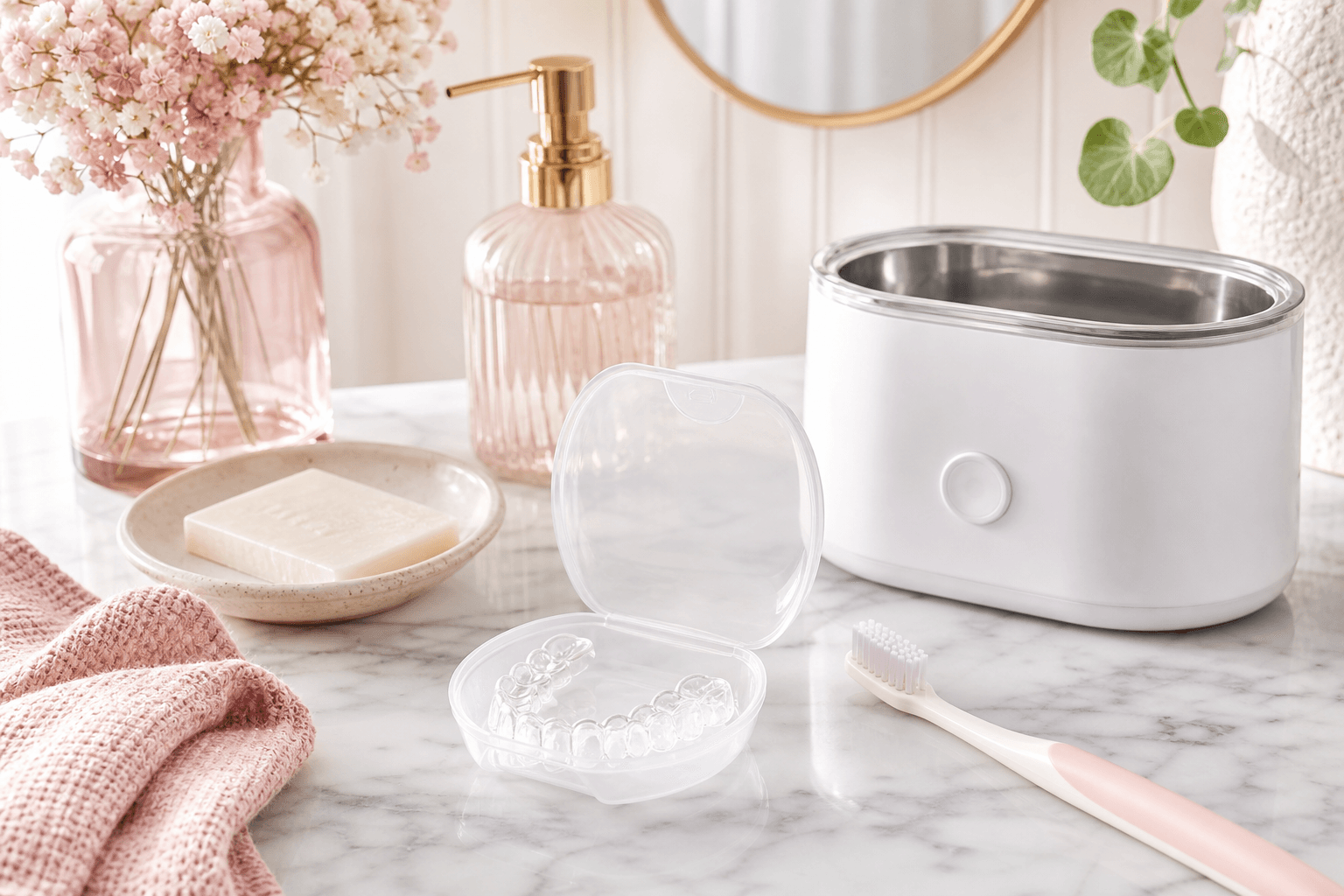
I have both night retainers and a permanent daytime retainer, which means I think about retainer care more than the average person. If you are in the same boat, you already know the deal: retainers are an investment in your smile, and keeping them clean is non-negotiable. Cloudy, yellowed, or smelly retainers are not just gross, they can actually affect your oral hygiene if you let them go.
Here is the routine I use and what I have learned about keeping them clear, odor-free, and in good shape for the long haul.
Daily Care: The Foundation
For everyday cleaning, consistency matters way more than harshness. You do not need fancy products for daily maintenance. You just need a good habit.
Gentle Soap and a Soft Brush
A mild hand soap or unscented dish soap is perfect for this. I keep a small dispenser by the bathroom sink so it is always within reach. Use a soft-bristled toothbrush (not the one you use for your teeth) and gently brush all surfaces of your retainer. Get into the nooks and crannies, especially around any wires or crevices where buildup likes to hide.
Thorough Rinse
After brushing, rinse your retainer under lukewarm water. Not hot, not cold. Hot water can warp plastic retainers, and cold water does not rinse away residue as effectively. Take a few extra seconds to make sure all the soap is gone, because a soapy taste is no fun.
What to Avoid
This one surprised me when I first learned it. Regular toothpaste seems like the obvious choice, but it is actually too abrasive. The gritty texture creates tiny scratches on the retainer surface, and those scratches trap bacteria and lead to cloudiness or yellowing over time. Save the toothpaste for your teeth and stick with mild soap for your retainers.
Tackling Yellowing and Cloudiness
Even with perfect daily care, retainers can develop a yellow tint or become cloudy over time. This happens for a few reasons: mineral deposits from your saliva, bacteria buildup, or just general wear. It is normal, but it is also preventable with a deeper cleaning approach.
Deep Cleaning with Ultrasonic Machines
This is where an ultrasonic cleaner comes in. These devices use high-frequency vibrations to dislodge debris from surfaces that a toothbrush simply cannot reach. They are especially good for the grooves and tight spaces on retainers and aligners.
I was skeptical at first, but the difference is noticeable. Retainers come out looking clearer and feeling smoother after just a few minutes in an ultrasonic bath. Many people who use them for retainers and aligners say the same thing in reviews: it works.
My Pick: Cordless Ultrasonic Cleaner
If you want the most convenient option, a cordless ultrasonic cleaner is the way to go. Rechargeable and portable means you can clean your retainers anywhere without being tethered to an outlet. Some models even include UV sterilization for an extra layer of cleanliness.
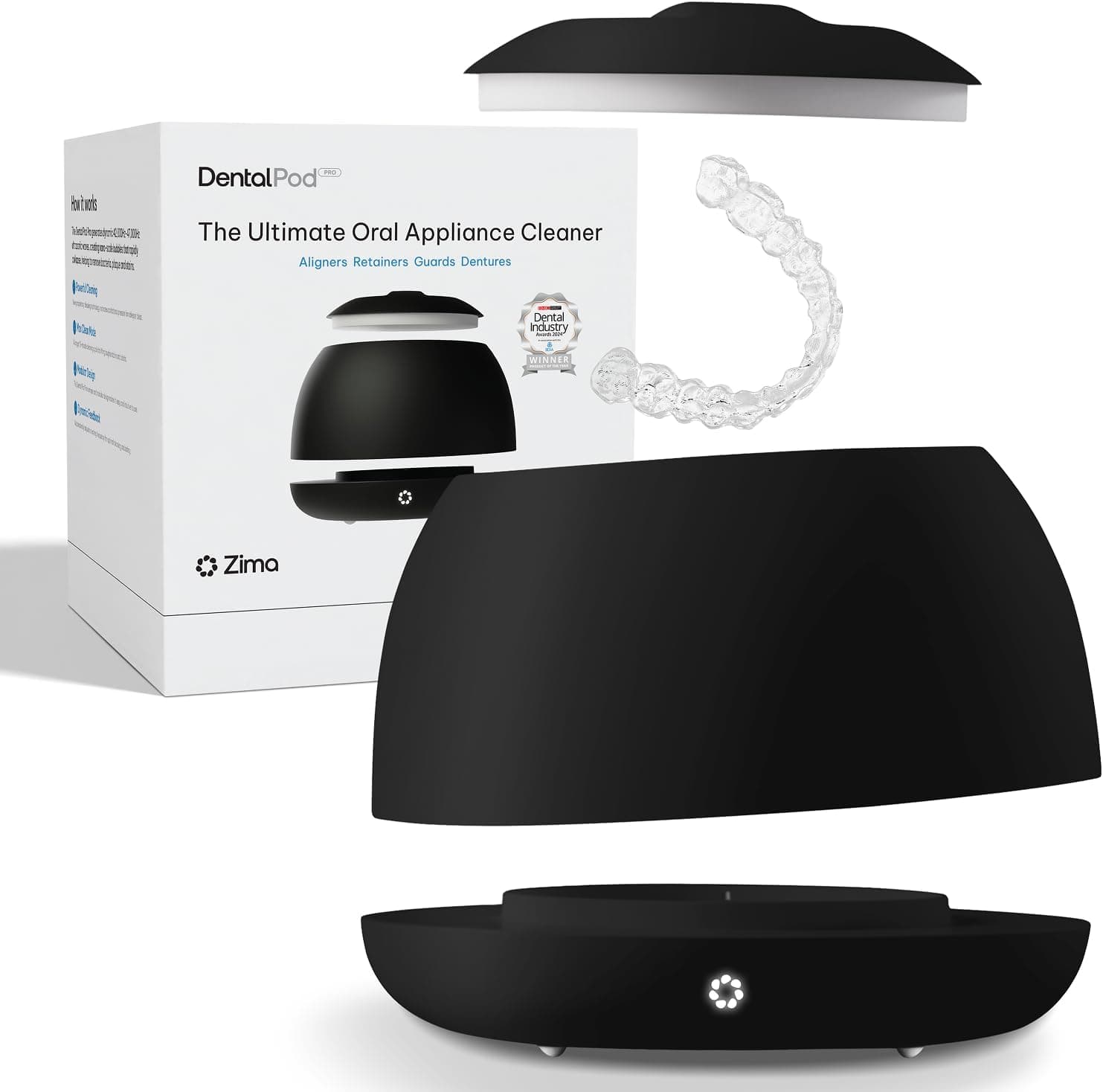
Zima Dental Pod PRO: Ultrasonic Retainer Cleaner Machine
The Dental Pod PRO uses 43kHz ultrasonic waves to clean retainers, aligners, nightguards, mouthguards, and dentures. Cavitation happens up to 4,000 times per second, reaching every surface and crevice evenly. Market-leading cleaning power in a compact design. Completes a full clean in minutes with no wear on the appliance.
You can check it out on Amazon here.
Building a Routine That Sticks
The key to retainer care is making it part of your daily rhythm. Here is what works for me:
- Morning: Quick rinse and gentle brush after removing night retainers. Let them air dry in their case.
- Evening: Same routine before putting them back in. Takes about 60 seconds total.
- Weekly: Ultrasonic deep clean for both night and day retainers. Five minutes in the machine and they come out looking like new.
That is it. Nothing complicated, nothing expensive, just consistency and the right tools.
A Few Extra Tips
- Never use hot water on plastic retainers. Warping is permanent and means a new set.
- Keep a dedicated toothbrush for your retainers. Do not double up with your regular brush.
- Let them air dry in a clean case. A damp, closed case is a breeding ground for bacteria.
- Avoid colored soaps. The dyes can stain clear retainers over time. Clear or white soap is best.
Frequently Asked Questions
The Bottom Line
Clean retainers are about more than appearance. They are part of your overall oral hygiene. A simple daily routine with mild soap and a soft brush, plus a weekly ultrasonic clean, keeps everything clear, fresh, and working the way it should. It takes less than two minutes a day, and your future smile will thank you.
This post contains affiliate links. If you purchase through these links, I may earn a small commission at no extra cost to you. I only recommend products I genuinely believe in.