Best Blenders for Smoothies (Top Picks)
I have a complicated history with blenders.
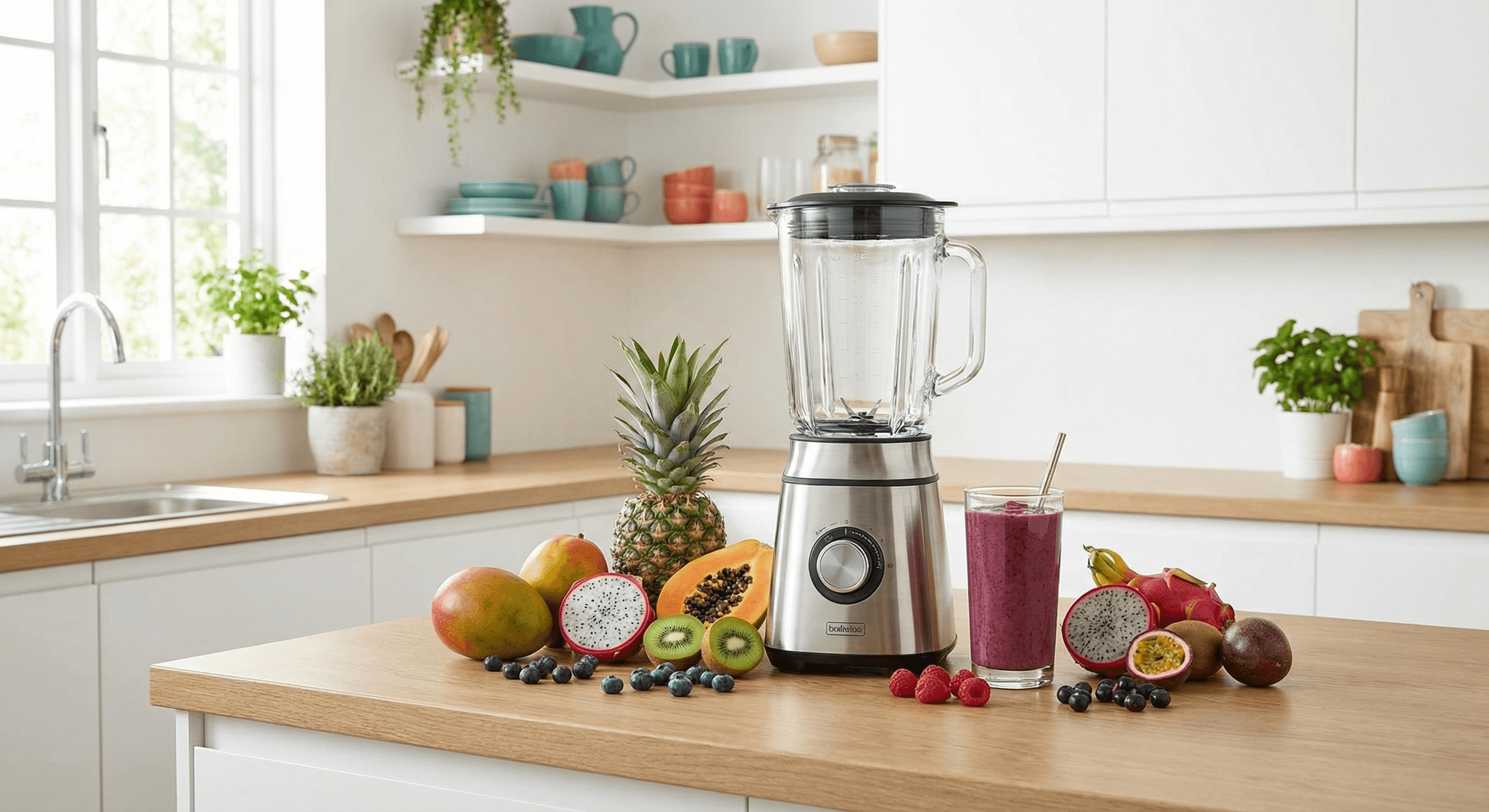
I have a complicated history with blenders. Over the past five years, I’ve gone through four of them, and not because I was careless or hard on appliances. I’m just someone who makes a smoothie every single morning without fail, and that kind of daily use is ruthless on an underpowered machine. Daily smoothie makers will go through a cheap blender faster than they realize.
The first blender lasted six months before the motor started burning out and smelling like hot plastic. The second was a “premium” brand that, despite the price tag, couldn’t blend frozen fruit without leaving chunks no matter what I tried. The third was fine but so annoyingly loud that my roommate threatened to throw it out the window every time I used it before 8 a.m. And the fourth, a cheap personal blender I thought would at least handle single servings, gave up entirely trying to get through a handful of frozen blueberries and some spinach.
I finally did my research properly, invested in something worth using, and haven’t thought about replacing a blender since. If you’re in smoothie-making mode and wondering which blender is actually worth it, I’ve got real opinions from real daily use across multiple machines.
What Makes a Great Smoothie Blender?
Not every blender is built for smoothies, and smoothie-specific requirements are actually pretty demanding. Here’s what matters and why:
Motor Power (Wattage)
For smoothies that include frozen fruit, ice, frozen spinach, or nut butters, you need at least 700-900 watts. Under 600 watts and you’re going to get chunks, motor strain, and eventually burnout, which is what happened to me with blenders one and four. Top-tier blenders like Vitamix run at 1,000+ watts and handle literally anything you throw at them without breaking a sweat. The jump from 600W to 1,000W+ is not subtle, it’s the difference between chunks and silk.
Blade Design and Container Shape
The shape and placement of the blades, combined with the geometry of the container, affects how ingredients flow through the blender. Good blenders create a consistent vortex that pulls food down toward the blades from the top. Cheap blenders often have blades that spin in place while your spinach and frozen berries sit unblended above them, forcing you to constantly stop and push things down. Taller, narrower containers generally create better vortex flow for smoothies than wide, short ones.
Easy to Clean
If your blender is a pain to clean, you won’t use it consistently, or you’ll skip cleaning it properly, which leads to buildup and smells. The best smoothie blenders can be cleaned with a quick rinse, a drop of dish soap, and a 30-second self-cleaning blend cycle. Some are fully dishwasher safe (individual cups especially), which I strongly prefer for anything that’s going to be used daily.
Noise Level
Blenders are loud. Smoothie blenders that work well, the ones with powerful motors, can be especially loud. If you’re making smoothies early in the morning and sharing living space, this matters. Check decibel ratings in reviews. Some premium brands offer sound enclosures that make a significant difference; otherwise, plan for about 90 dB at peak speed, which is like standing next to a lawnmower.
Capacity and Use Case
Personal blenders blend directly in a single-serve cup (great for solo smoothies, minimal cleanup). Full-size blenders have 48-72 oz pitchers for multiple servings, more power, and greater versatility. Think about how you’ll actually use it: solo smoothie every morning = personal blender or single-serve attachment. Making smoothies for family or doing more serious cooking = full-size.
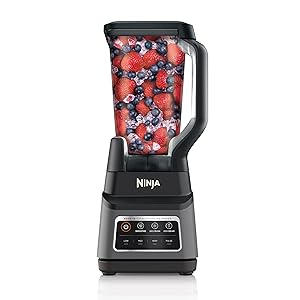
My Top Blender Picks for Smoothies
These are the three I recommend based on real performance, durability, and value at different price points. Each serves a different budget and use case.
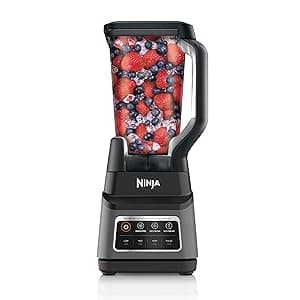
Ninja Professional Plus Blender BN701
A powerhouse blender that pulls triple duty as a smoothie maker, food processor, and dough mixer, all in one machine. The 1,400-watt motor obliterates frozen fruit and leafy greens with ease, leaving zero chunks. Comes with a 72 oz pitcher and two single-serve cups with lids, making it versatile for different serving sizes. The Auto-iQ programs handle smoothie, frozen drink, and extract modes automatically. My pick for serious home use where you want one machine to do everything.
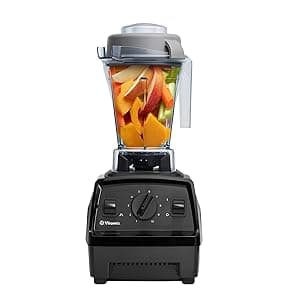
Vitamix E310 Explorian Blender
Vitamix blenders are the gold standard for a reason, they last decades, not years. The E310 is the most affordable entry point into the Vitamix ecosystem, and it still delivers professional-grade performance that puts most other blenders to shame. The 48-oz container is perfectly sized for 1-2 servings, and it fits under standard kitchen cabinets. Variable speed control lets you dial in exactly the texture you want, from super smooth to chunky. If you’re making daily smoothies and want a blender that will outlast multiple apartments and still work perfectly, this is the investment.
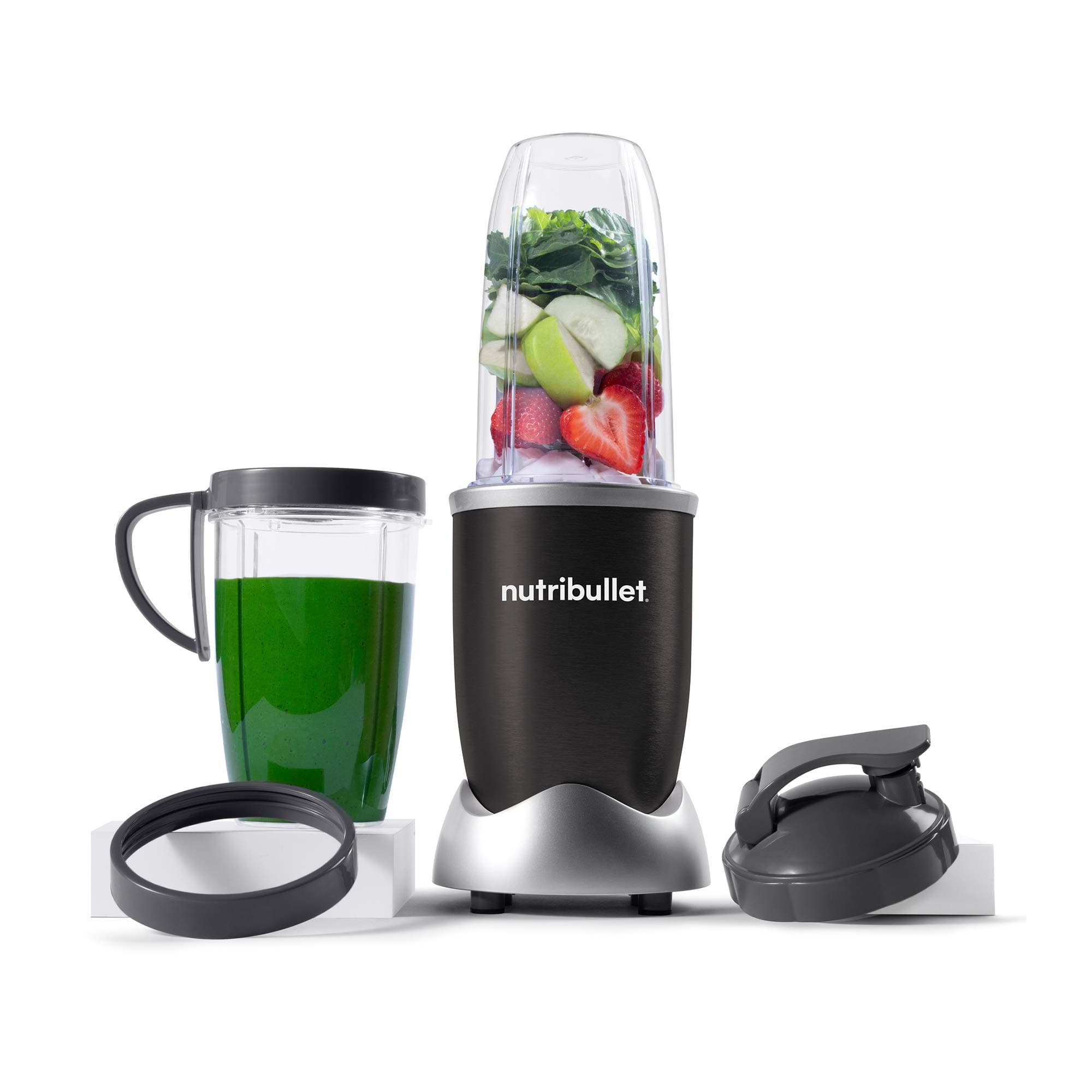
NutriBullet Pro 900W Personal Blender
For solo smoothie makers who want something compact, fast, and genuinely easy, the NutriBullet Pro is unbeatable in its price range. The 900-watt motor handles frozen fruit and leafy greens remarkably well for a personal blender, and the cup doubles as your to-go container so there’s essentially no cleanup, just rinse the cup. Not as powerful as a full-size blender for really thick smoothie bowls or nut butter, but for a daily drinkable smoothie with greens, frozen fruit, and liquid, it’s more than enough.
My Smoothie Tips for Consistently Good Results
Having a great blender helps enormously, but there are a few techniques I’ve picked up over years of daily smoothie making that make a big difference in the final result:
Layer your ingredients strategically
The order matters more than most people realize. Add liquids first to the bottom of the blender, this protects the blade and motor. Then add soft ingredients like yogurt, nut butter, or protein powder. Then leafy greens. Frozen fruits go in last, on top. This creates the best vortex flow and means the blender doesn’t have to struggle at the start against a wall of solid frozen fruit.
Freeze your fruit instead of using ice
Frozen fruit makes smoothies thick, cold, and creamy without watering them down the way ice does. I buy bananas in bulk, peel them, break them into chunks, and freeze in zip-lock bags. Same treatment for mango, pineapple, peaches, and berries, freeze in peak season, use year-round. Once you start freezing your own fruit, you’ll never go back to adding ice to a smoothie.
Start slow, then ramp up
If your blender has variable speeds, start on low for 10-15 seconds before cranking it to high. This helps everything begin to break down and flow before the high-speed blade does the final smoothing. Going straight to max speed with a full blender of frozen ingredients can stress the motor unnecessarily.
Add liquid gradually
A smoothie that’s too thick can always be thinned, add liquid a tablespoon at a time until you reach your desired consistency. But a smoothie that’s too thin can’t be easily fixed. I always start with less liquid than I think I need and add as necessary. For thick smoothie bowl consistency, I use significantly less liquid than for a drinkable smoothie.
Don’t forget healthy fats for satiety
A tablespoon of almond butter, a quarter avocado, a tablespoon of chia seeds, or a drizzle of flaxseed oil adds richness and, more importantly, helps you stay full until your next meal. Healthy fats slow digestion and help absorb fat-soluble vitamins. This is why my smoothies keep me satisfied until lunch while pure fruit smoothies leave me hungry an hour later.
Rotate your greens for variety
If you’re adding the same greens every day, try rotating through different options over the course of a week. Spinach is the mildest and virtually tasteless when blended with fruit. Baby kale has a slightly earthier flavor and more iron. Frozen cauliflower florets are surprisingly neutral and add incredible creaminess. Romaine and cucumber work great for more hydrating smoothies. Different greens have different nutritional profiles, and variety is genuinely worth it.
My Favorite Smoothie Combinations
These are the combinations I make on heavy rotation. All work great in any of the blenders above:
- Classic Green: Frozen banana + frozen spinach + 1 tbsp almond butter + unsweetened almond milk + a scoop of vanilla protein powder (I have more of these in my green smoothie recipes post)
- Berry Antioxidant: Frozen mixed berries + frozen blueberries + 1 tbsp ground flaxseed + almond milk + 1 tsp honey
- Tropical Glow: Frozen mango + frozen pineapple + frozen banana + coconut water + a squeeze of lime
- Chocolate Peanut Butter: Frozen banana + 1 tbsp peanut butter + 1 tbsp cacao powder + oat milk + a tiny pinch of sea salt
- Anti-Inflammatory Golden: Frozen mango + 1/2 tsp turmeric + 1/4 tsp ginger + frozen banana + coconut milk + black pepper (helps absorb turmeric)