Best Cast Iron Skillets: Honest Picks for Home Cooks
The best cast iron skillets for home cooks, including Lodge and Victoria, with honest notes on seasoning, size, and which one to buy first.
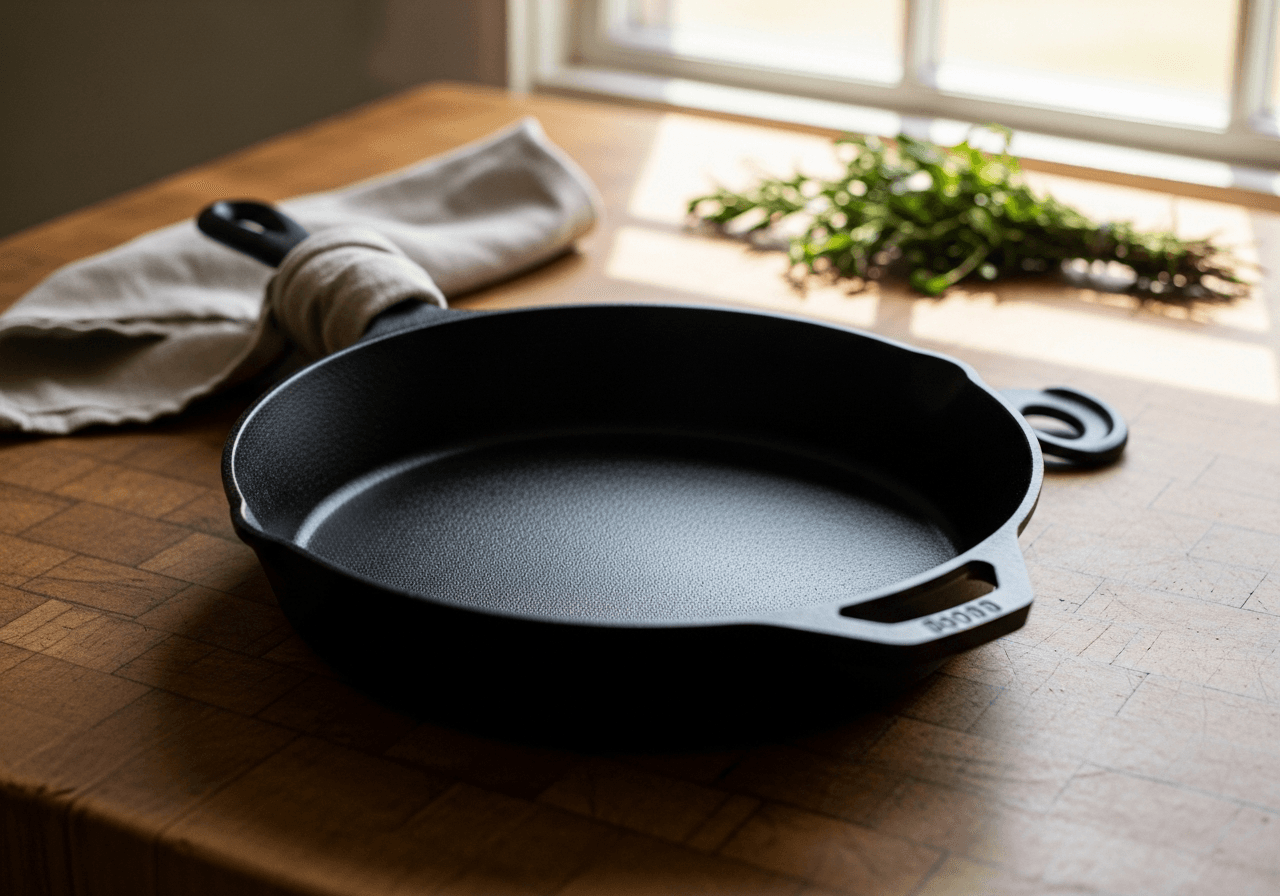
I put off buying a cast iron skillet for longer than I should have. I kept telling myself my stainless steel pan was fine, and for a lot of things it was. But once I started cooking more from scratch, bigger batches of cornbread, searing chicken thighs for soups, making skillet meals that could go straight from the stovetop to the oven, I kept running into the limits of what my other cookware could do.
A cast iron skillet does things no other pan can quite match. The heat retention, the ability to go from a gas burner to a 500-degree oven without any drama, the way it builds a crust on meat that is just genuinely better than most alternatives. Once I started using one regularly, I stopped reaching for much else for anything that needed real, sustained heat.
If you are in the same spot I was, or if you have one already but are wondering whether a second size would be worth it, here is what I actually use and what I honestly think about each.
What to Look for Before You Buy
Cast iron skillets seem simple, and in a lot of ways they are. But a few things are worth knowing before you pick one.
Size matters more than you think. A 10 to 10.25-inch skillet is the true workhorse size, good for everything from two eggs to a full chicken breast to a skillet of sauteed greens. If you are regularly cooking for a family of five or six, a 12-inch skillet gives you more room to work without crowding the pan, which matters a lot for searing.
Surface texture affects how it performs out of the box. Traditional cast iron like Lodge has a slightly rough, pebbly texture from the casting process. It builds seasoning well over time but can stick more in the early months. Some brands, like Victoria, machine-smooth the surface after casting, which gives you a better non-stick experience right away. Both approaches are good. The difference mainly shows up in those first few months of use.
Weight is a real factor. A 12-inch cast iron skillet can weigh six to eight pounds when empty. That is a lot when you are tipping it to drain fat or lifting it one-handed at the end of a long cooking session. The 10.25-inch size is noticeably more manageable, and some brands are lighter than others even at the same size.
Seasoning is not mysterious. All of the pans below come pre-seasoned, meaning they have a baked-on oil coating and are ready to use right away. You will build up better seasoning over time just by using them regularly and drying them thoroughly after washing.
At a Glance
| Pick | Best For | Size | Surface | Approx. Price |
|---|---|---|---|---|
| Lodge 10.25" | Best everyday skillet | 10.25 in | Textured | Under $30 |
| Victoria 10" | Smoothest out-of-box experience | 10 in | Machine-polished | $35-$45 |
| Lodge 12" | Best for families, big batches | 12 in | Textured | $40-$50 |
Lodge 10.25-Inch Pre-Seasoned Cast Iron Skillet
This is the pan I would recommend to almost anyone who asks me. It costs less than most people spend on a single dinner out, it works on every heat source including induction, it can go in the oven at any temperature your oven reaches, and it will outlast every other piece of cookware you own if you treat it reasonably well.
The 10.25-inch size is the most versatile. I use mine for eggs in the morning, sauteed vegetables at lunch, and pan sauces for chicken and pork at dinner. It fits in every oven, heats evenly once it gets going, and holds onto that heat in a way that a thin stainless pan just cannot.
The surface texture is the main caveat. When you first get a Lodge, it has a slightly bumpy, pebbly surface from the sand casting process. Eggs will stick at first and your first few uses will require a bit more fat than you might expect. This is completely normal. After a couple of months of regular use, the seasoning builds up and things release much more cleanly. Many people coat it lightly with oil and bake it in the oven before using it the first time, which is not bad advice and gives it a head start.
I have baked cornbread in mine more times than I can count. There is genuinely no better vessel for cornbread. The bottom gets a dark, slightly crispy crust and the edges come out clean and perfect every time.
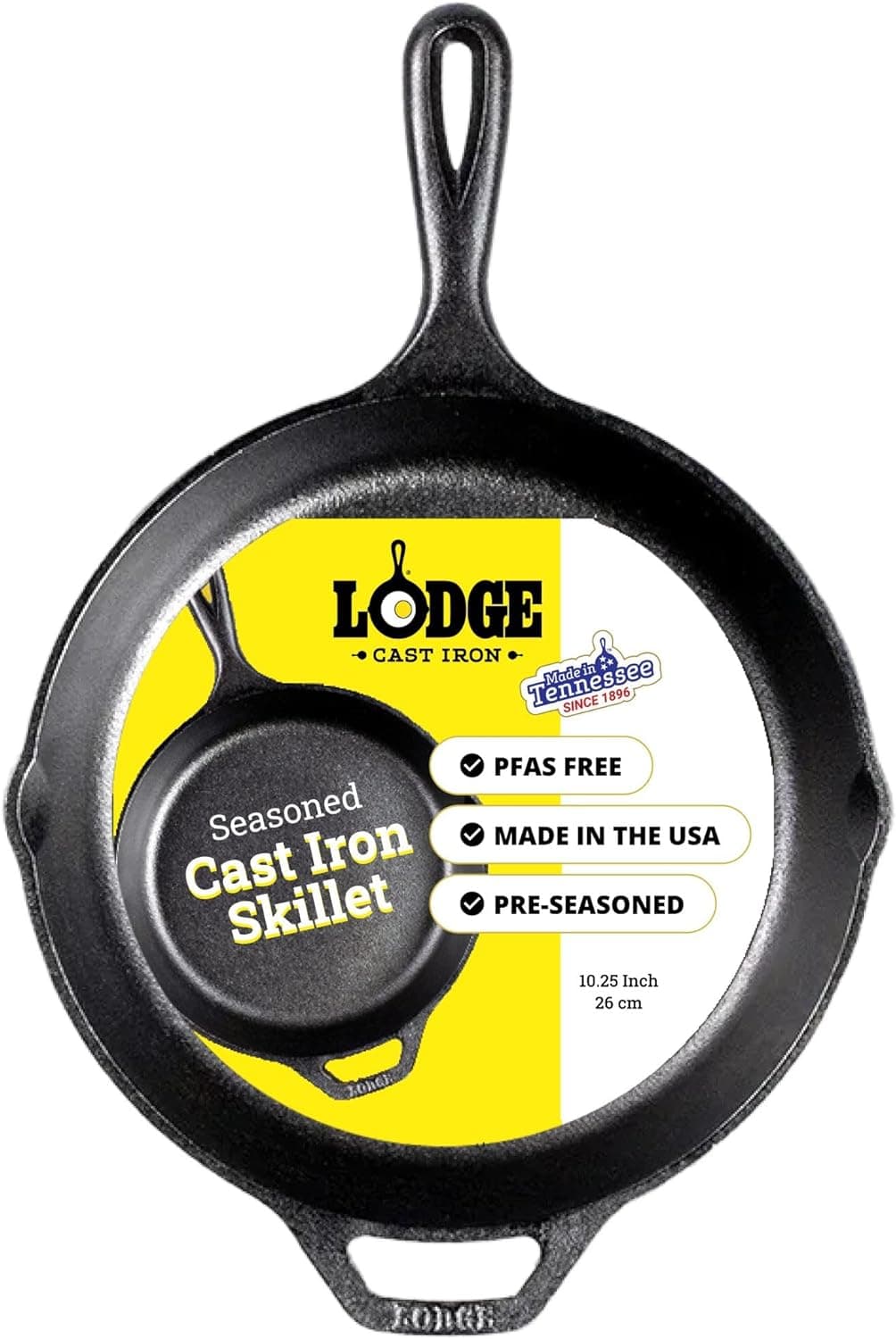
Lodge Seasoned Cast Iron Skillet, 10.25 Inch
The pan I use more than any other in my kitchen. Pre-seasoned, made in the USA, works on every heat source, and costs under $30. The surface starts textured and builds seasoning with use. Makes exceptional cornbread, sears chicken and pork beautifully, and will genuinely last for decades if you dry it thoroughly after each wash.
Victoria 10-Inch Cast Iron Skillet
If the Lodge's initial stickiness sounds frustrating, Victoria is the skillet I would point you toward. Victoria machine-smooths the cooking surface after casting and then seasons it with three layers of flaxseed oil, which is one of the best oils for building a durable, slick seasoning. The result is a pan that performs noticeably better from the very first use.
I first heard about Victoria from a friend who had been struggling with her Lodge during the first few weeks and felt like she was fighting it every time she cooked eggs. She switched to a Victoria cast iron skillet and told me the difference was immediate. She was making eggs without any significant sticking within the first week of use, which is not something most Lodge owners can say that early.
Victoria is also slightly lighter than Lodge at the same size, which sounds minor until you are actually lifting a hot pan one-handed at the end of a long cooking session. The handle is longer and has a comfortable arch that feels more natural than Lodge's flatter handle design.
The trade-off is price. You will pay a bit more than a Lodge, and the pans are made in Colombia rather than the USA. Some people care about country of origin, some do not. What matters in the kitchen is that Victoria makes a genuinely well-crafted skillet that outperforms its price point, especially for anyone who wants a smoother start.
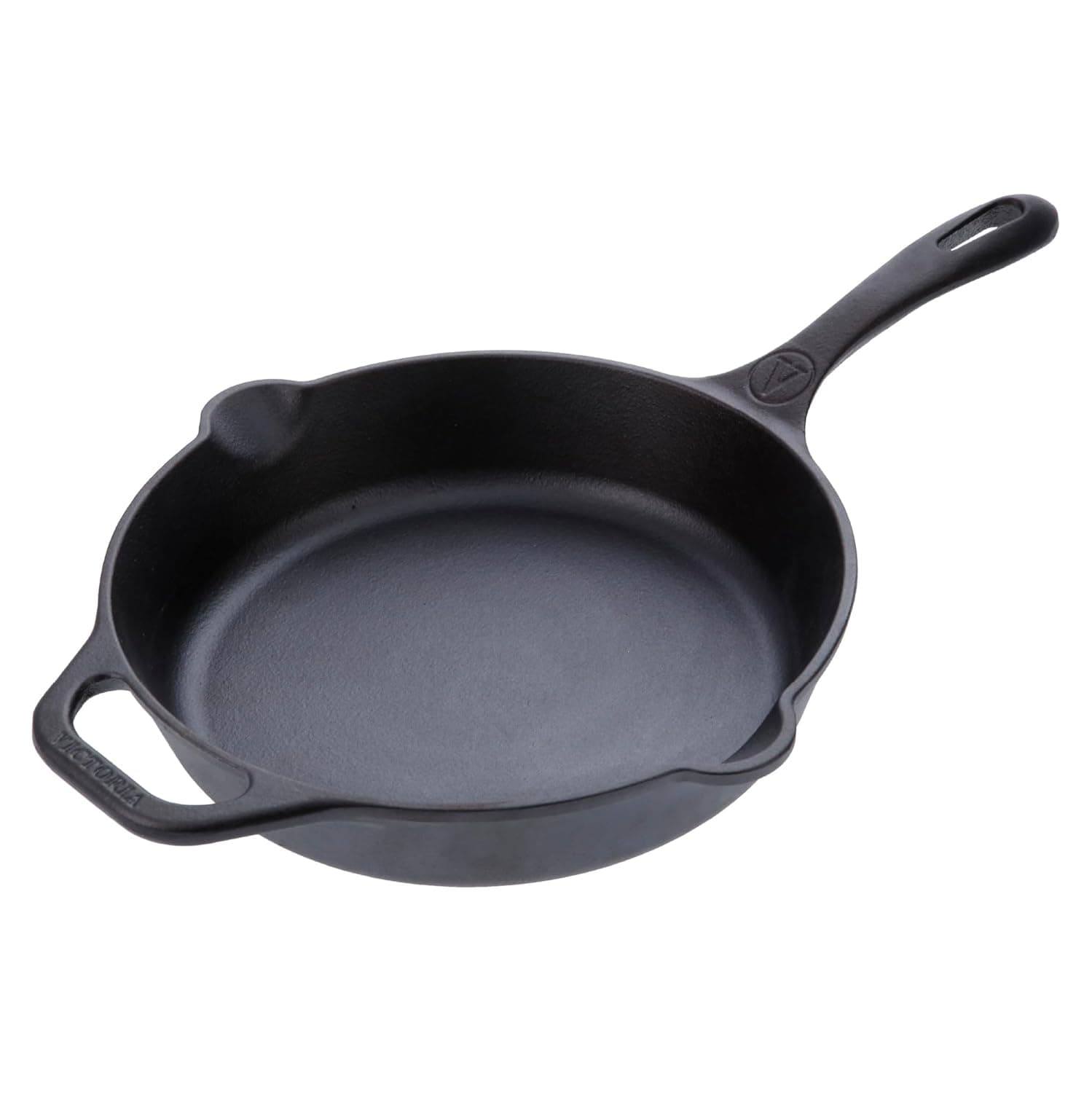
Victoria 10-Inch Cast Iron Skillet, Pre-Seasoned with Long Handle, Made in Colombia
The best cast iron skillet for anyone who wants a great experience right out of the box. Machine-polished cooking surface and triple flaxseed oil seasoning mean it behaves closer to non-stick from day one. Slightly lighter than comparable Lodge pans, with a longer, more comfortable handle. My friend swears by hers for eggs. Made in Colombia.
Lodge 12-Inch Cast Iron Skillet
When I am cooking for all six of us, a 10-inch skillet is simply not big enough. The Lodge 12-inch skillet is what I reach for when I am making a big batch of anything: a full pound of ground beef, a whole chicken breast, four pork chops at once.
The extra surface area makes a meaningful difference when you are searing meat because crowding the pan drops the temperature quickly and steams the meat instead of browning it. With a 12-inch pan, I can sear four chicken thighs in one pass. In a 10-inch pan, I am doing two batches, which means more time at the stove and more splatter to deal with.
I also use this pan for cobbler and large-batch skillet meals during the summer when we have family visiting. Nothing quite like a cast iron cobbler on a warm evening. The 12-inch size gives you real room to work.
The honest downside is weight. This pan can weigh close to eight pounds when empty, and noticeably more when there is food and liquid in it. Draining fat or tipping it is something you want to do with two hands. If you have any wrist concerns or are smaller in build, the 10.25-inch skillet is the smarter buy for everyday use. But if cooking for a family is the priority and you are comfortable with heavier pans, this is the one.
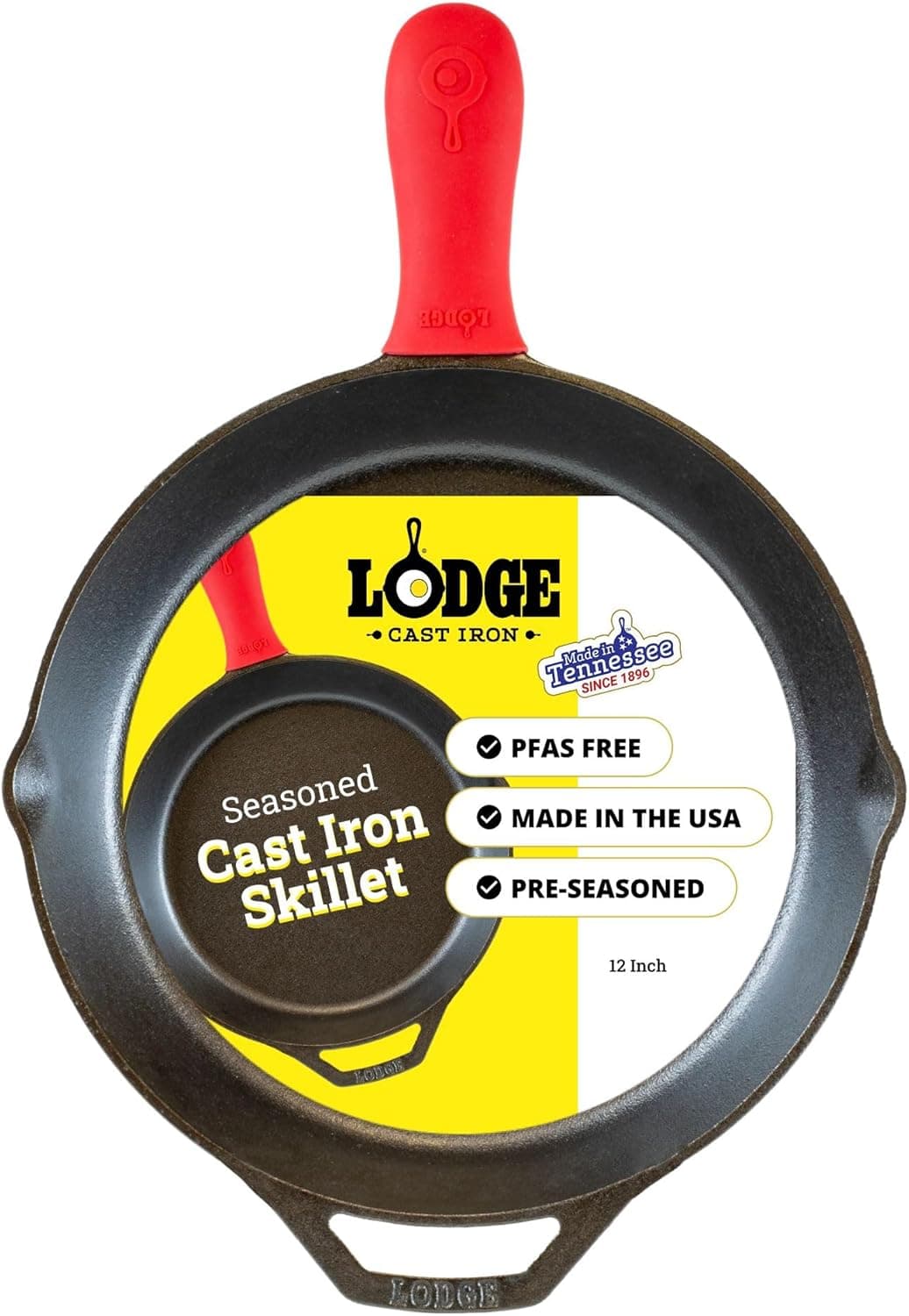
Lodge Seasoned Cast Iron Skillet, 12 Inch
The family-sized workhorse. At 12 inches, you can sear four pieces of meat at once, bake a full skillet cobbler, or cook a big batch of hash browns without any crowding. Same Lodge quality and value as the smaller version, just heavier to handle. Plan on using two hands when it is full. Works on every cooktop including induction.
How to Care for Cast Iron So It Lasts Forever
The thing that keeps most people from buying cast iron is fear of the maintenance. I want to be honest with you: the actual maintenance is much simpler than the internet makes it sound.
Here is what I actually do after every use:
Wash it while it is still warm with hot water and a stiff brush. You can use a small amount of dish soap if you need it. This will not destroy the seasoning the way older advice claimed. What damages seasoning is soaking the pan in water or leaving it wet for any length of time.
Dry it immediately and completely. I put mine on a low burner for a couple of minutes to drive off any remaining moisture. Cast iron rusts when it stays wet, not from normal washing.
After drying, rub a very thin layer of oil over the surface, just enough to keep it from looking dry. Too much oil is actually the main mistake most people make; it gets tacky and sticky rather than curing into the seasoning properly.
That is genuinely it. I have been doing this for years and my pan gets noticeably better with every use. It is one of those rare kitchen items that improves with age rather than wearing out.