Best Cheese Making Kits for Beginners Worth Buying
The four best beginner cheese making kits on Amazon, from 30-minute mozzarella to a 10-variety kit. Honest picks from a homesteading mom who loves fermenting.
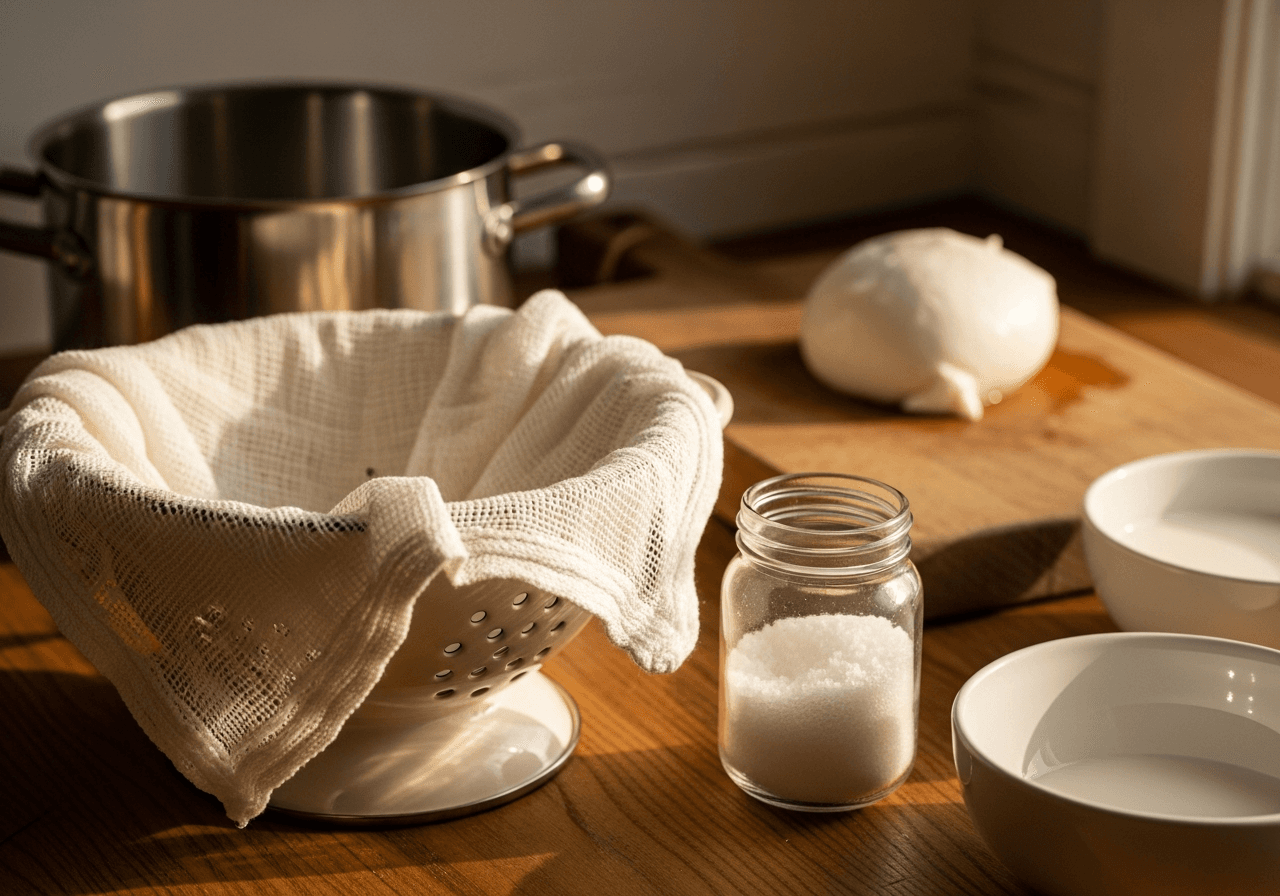
Making cheese at home felt like a logical next step after I had been fermenting vegetables for a year. If I could maintain the right conditions for sauerkraut and kimchi to ferment on my counter, cheese could not be that much harder. And in some ways it is simpler, because the whole process from fresh milk to fresh mozzarella takes about 30 minutes rather than days.
My first attempt did not go well. I used rennet from a brewing supply store without doing much research, skipped a thermometer because I figured I could eyeball the temperature, and ended up with something that technically curdled but had a texture closer to rubber than cheese. My youngest very diplomatically said it tasted weird. He was right.
The second time I bought an actual beginner kit with everything included and a recipe booklet. That batch worked. The mozzarella was soft, milky, and genuinely delicious, and we ate most of it that evening on homemade pizza. After that I tried a few other kits, because once you make fresh cheese you want to keep going.
These are the four kits I would recommend, depending on where you are starting from and what you want to make.
What to Look For in a Beginner Cheese Making Kit
Before getting into the picks, a few things that actually matter when you are just starting out.
Everything in one box. Rennet, citric acid, calcium chloride for store-bought milk, and cheese salt are not things most kitchens have on hand. A complete kit means you do not need to hunt down each ingredient separately and hope you got the right concentration. Missing even one component will derail your first batch.
A thermometer. Fresh cheese recipes like mozzarella require hitting specific temperature ranges, and guessing does not work. Some kits include a thermometer and some do not. If yours does not come with one, you need a reliable instant-read or probe thermometer before you start.
A good recipe booklet, not just a card. Cheese making has a lot of variables: milk type, altitude, temperature, how aggressively you handle the curds. A good recipe booklet explains what each ingredient does and what to do when things go slightly wrong, which they will at first.
Non-ultra-pasteurized milk. This is not a kit feature, it is the most important thing to know before you buy anything. Ultra-pasteurized milk, the kind labeled UHT or in shelf-stable cartons, will not form curds properly. You need regular pasteurized whole milk from the refrigerated section, or raw milk if you have access. Every beginner kit should tell you this prominently. Not all of them do.
Yield relative to cost. Some kits cost $25 but make only a pound or two total. Others cost $40 and give you supplies for 15 or more pounds of cheese over many sessions. For a beginner, the question is not just what you pay upfront but how much cheese-making experience you get for that price.
At a Glance
| Pick | Best For | Cheese Types | Yield | Approx. Price |
|---|---|---|---|---|
| Standing Stone Farms Basic Kit | Best all-around beginner kit | 6+ varieties | 10-15 lbs | $35-45 |
| NECC Mozzarella & Ricotta Kit | Best for quick mozzarella | 2 types | ~20 batches | $25-35 |
| The Big Cheese Ultimate Kit | Best variety and extras | 10+ varieties | 40 batches | $40-55 |
| Fermentaholics DIY Fresh Kit | Best budget fresh cheese kit | 5+ types | 6+ batches | $15-25 |
Standing Stone Farms Basic Beginner Cheese Making Kit
This is the kit I would hand to someone who is serious about learning cheese making rather than just trying it once. It covers six varieties including mozzarella, ricotta, mascarpone, chèvre, cream cheese, and queso blanco, with enough supplies to make 10 to 15 pounds of cheese total across many sessions.
The Standing Stone Farms kit includes citric acid, organic non-GMO microbial rennet, calcium chloride, cheese salt, a drain cloth, and a detailed recipe booklet. The recipe booklet is genuinely good, which matters more than people expect. It explains what each step is accomplishing rather than just telling you to heat the milk to 90 degrees without any context.
What I like most about this kit is the range. After my first successful mozzarella batch, I was immediately curious about mascarpone and ricotta. Having all the supplies to make those without ordering anything additional meant I could just move on to the next recipe. The mascarpone came together in under an hour and tasted better than what I had been buying at the store.
Food Network has voted this their Best Overall Cheese Making Kit for multiple years running, which tracks with my experience. All ingredients are non-GMO and the packaging is recycled, which is something I pay attention to.
Honest limitation: this kit does not include a thermometer, so you need to have one before you start. A basic probe thermometer from your kitchen will work fine.
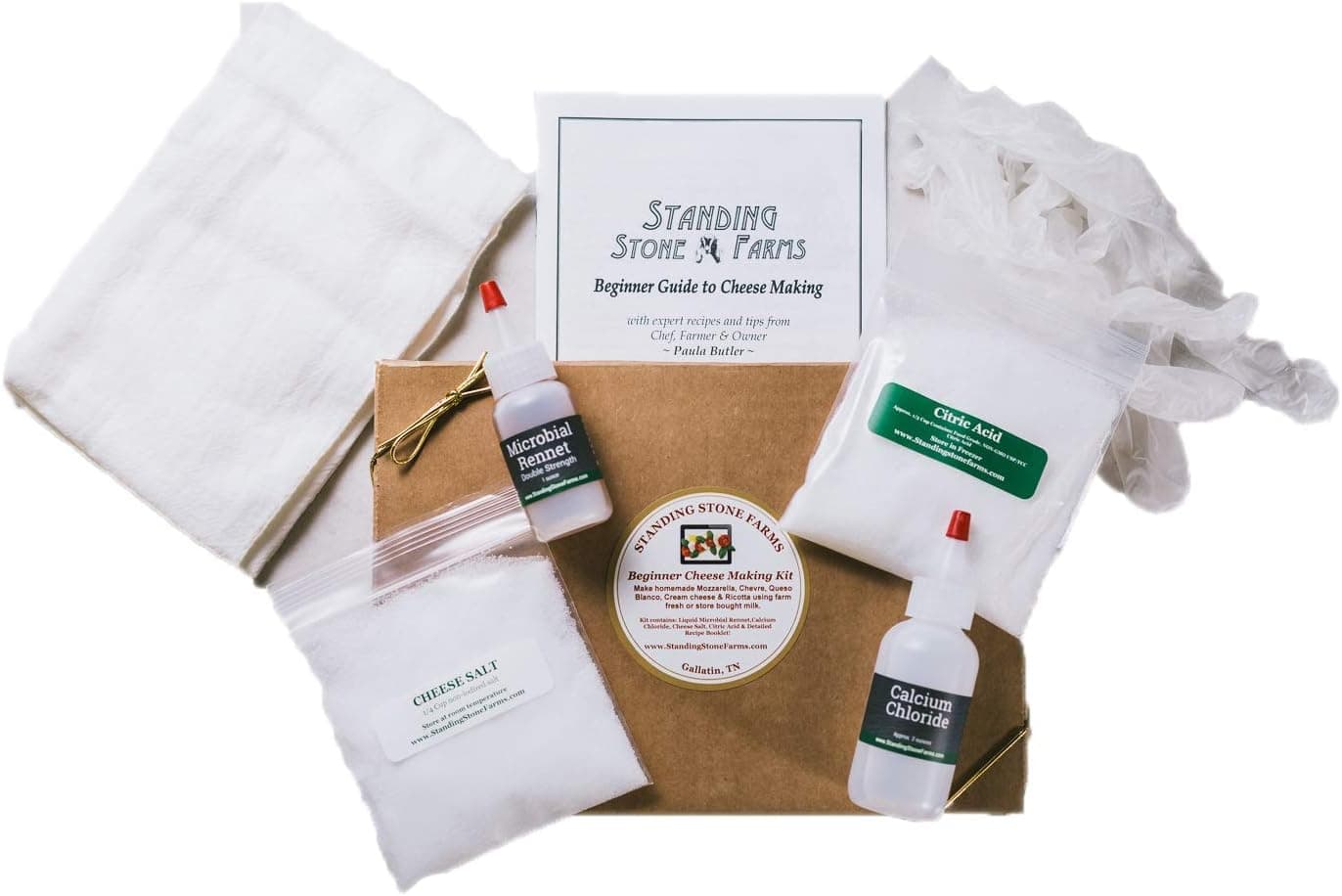
The best all-around beginner kit. Covers 6+ cheese varieties with enough supplies for 10-15 pounds total. Non-GMO rennet, a clear and helpful recipe booklet, and everything you need except a thermometer and fresh milk. Food Network's top pick multiple years running. Best for someone who wants to actually learn cheese making rather than just try mozzarella once.
New England Cheesemaking Supply Mozzarella & Ricotta Kit
New England Cheesemaking Supply has been in business since the 1970s and is one of the most respected names in home cheese making. This kit focuses on two cheeses, mozzarella and ricotta, and it includes everything you need including a thermometer and cheesecloth.
The draw here is speed. Fresh mozzarella takes about 30 minutes from cold milk to finished cheese, and the instructions walk you through it clearly. The kit contains enough supplies for about 20 one-pound batches, which is a lot of mozzarella if you make it with any regularity. We go through it fast at our house.
The included thermometer is basic but functional for fresh cheese. If you plan to move into aged or cultured cheeses later, you will want a more precise digital probe thermometer, but for mozzarella and ricotta this one does the job.
I keep this kit stocked because mozzarella is the cheese my family asks for most. Fresh pizza night happens regularly here, and there is a genuine difference between mozzarella I made that afternoon and the block from the grocery store. The fresh version is softer, milkier, and melts differently in a way everyone notices.
Honest limitation: this kit is focused specifically on mozzarella and ricotta. If you want variety beyond those two, you will need a broader kit or additional supplies.
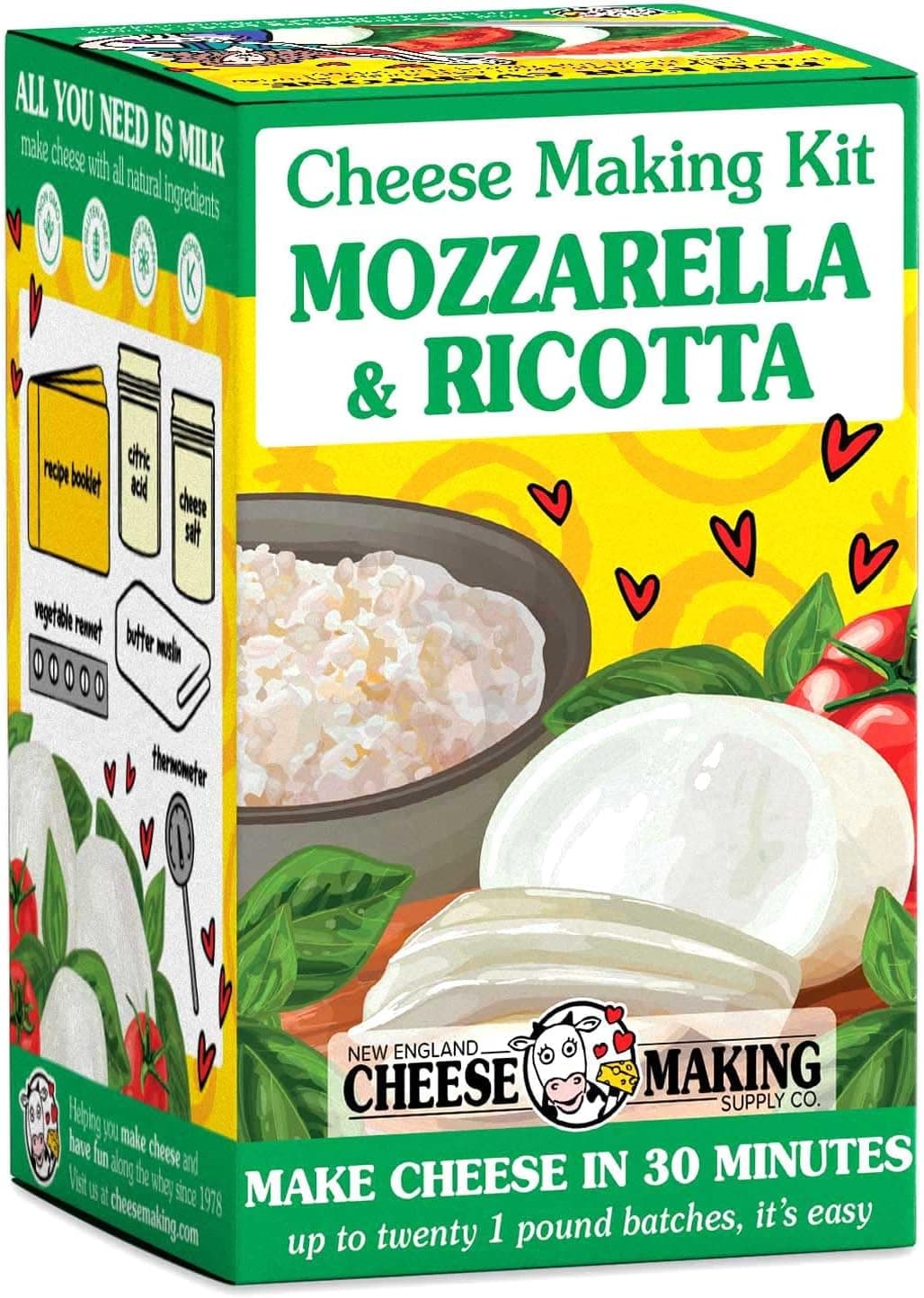
The focused mozzarella and ricotta kit from one of the oldest names in home cheese making. Includes thermometer, cheesecloth, citric acid, cheese salt, and vegetable rennet tablets. Enough supplies for about 20 one-pound batches. Best if mozzarella is your main goal and you want everything in one box including the thermometer.
The Big Cheese Ultimate Cheese Making Kit
This kit is for someone who wants the full picture of what is possible with home cheese making. It covers ten different cheeses including mozzarella, mascarpone, feta, ricotta, halloumi, labneh, paneer, queso blanco, goat's cheese, and Scottish crowdie, with enough supplies for 40 batches total.
The kit includes organic sea salt, citric acid, vegetarian rennet, butter muslin, a selection of herbs and spices, three cheese molds for soft cheeses, a thermometer, and a recipe booklet. The cheese molds are something the other kits on this list do not include, and they make forming and draining soft cheeses like ricotta and mascarpone much easier.
The variety here is what sets it apart. Getting to make feta and halloumi at home opens up a lot. Halloumi can be grilled or pan-fried in a way that regular cheese cannot, and making your own means you can slice it as thick as you want. Feta I have been making in small batches for salads, and my boys will actually eat it crumbled over vegetables, which is a minor miracle.
Honest limitation: with 40 batches worth of supplies across ten cheese styles, some individual ingredient quantities are smaller per recipe. A few reviewers note the rennet runs lower than expected on certain styles. Having extra rennet on hand is smart if you plan to work through the full kit.
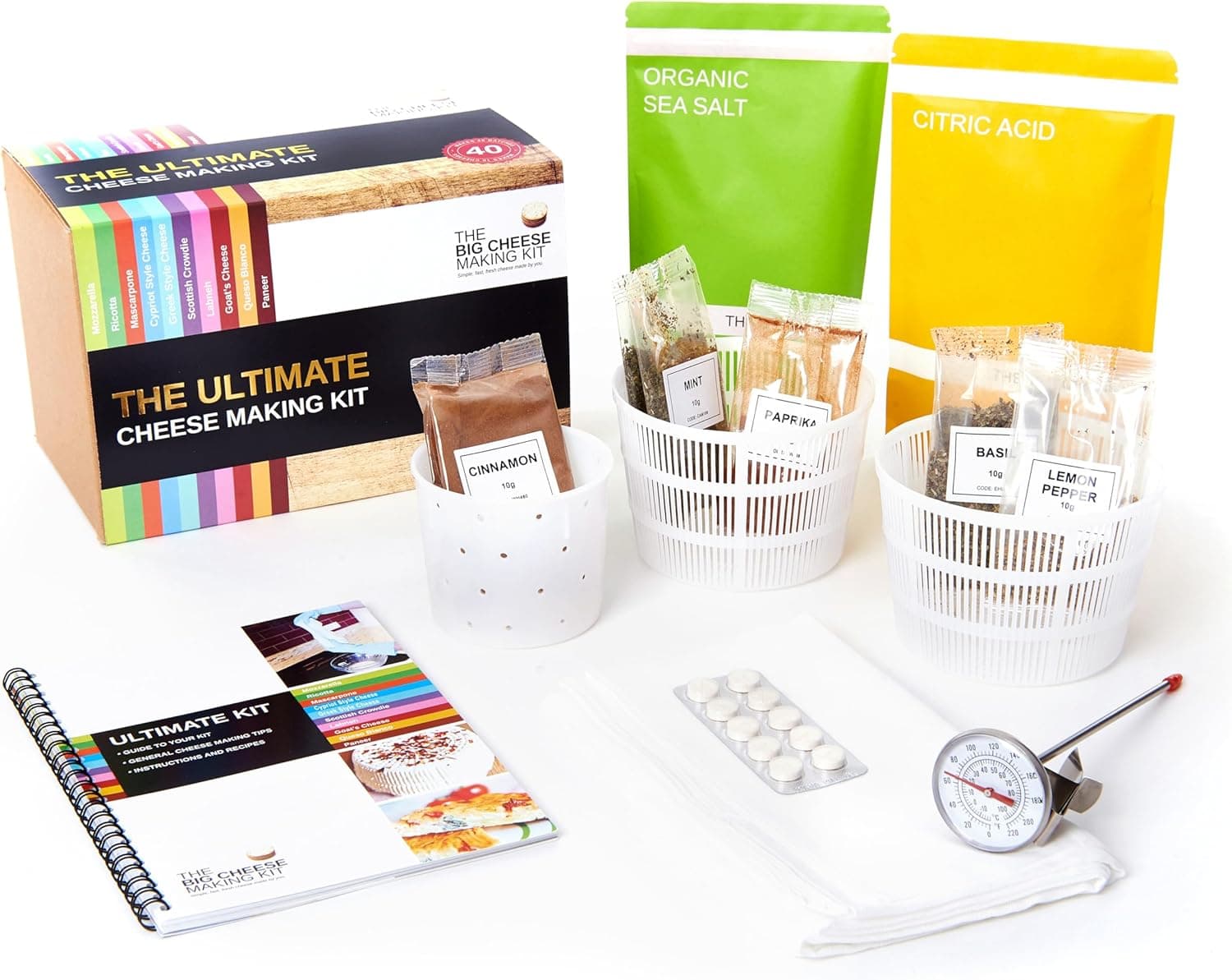
The most variety of any kit on this list. Covers 10 cheese styles across 40 batches, includes cheese molds, thermometer, herbs and spices, and butter muslin. Best for someone who wants to explore well beyond mozzarella and ricotta. Includes styles like halloumi and labneh that are hard to find at most grocery stores and genuinely worth making at home.
Fermentaholics DIY Fresh Cheese Making Kit
If you are not ready to commit to a full beginner kit but want to try cheese making with real ingredients, this is the one to start with. It covers fresh cheeses including ricotta, mozzarella, burrata, paneer, and cottage cheese.
The kit includes liquid rennet, cheese salt, citric acid, cheesecloth, and a recipe booklet. The liquid rennet is a nice detail because it is easier to measure precisely than rennet tablets, which you have to dissolve first. For a beginner, fewer steps means fewer places to go wrong.
Burrata is what makes this kit stand out. Burrata is mozzarella stretched around a filling of cream and fresh curds, and buying it at a specialty store costs several times more per ball than making your own. Once you have made regular mozzarella a few times, burrata is a natural next step and genuinely impressive to serve.
The lower price point makes this a low-risk entry. If you try it and decide home cheese making is not for you, you are not out much. If you love it, the experience gives you a real foundation for a more complete kit.
Honest limitation: this kit does not include a thermometer, so you need one separately. The batch yield is also smaller than the other kits on this list, which makes it better suited for trying the process than for regular production.
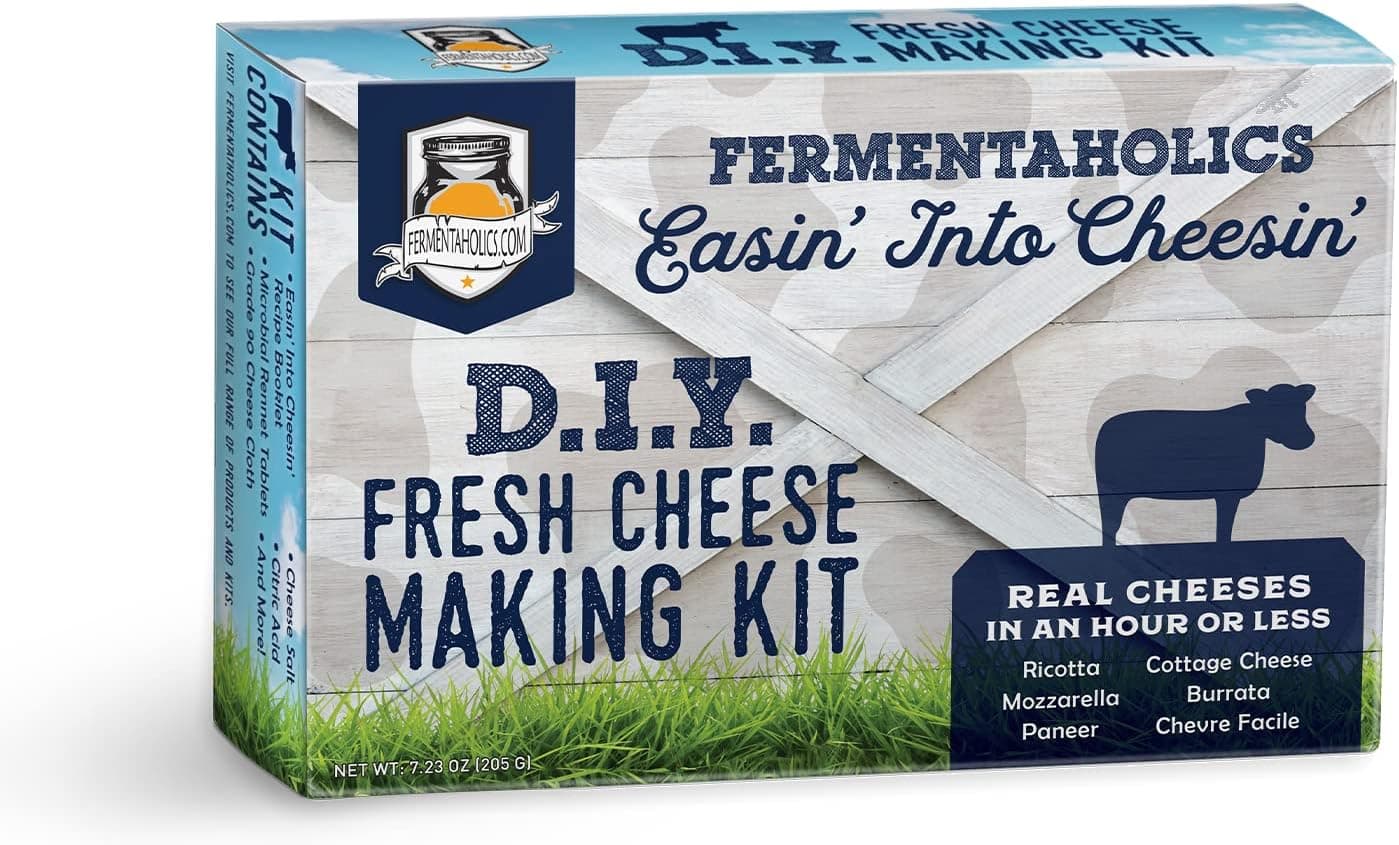
The best entry-level kit for testing cheese making without a big commitment. Covers mozzarella, ricotta, burrata, paneer, and cottage cheese. Uses liquid rennet, which is easier to measure than tablets. No thermometer included. Smaller yield than the other kits, but a solid low-risk way to find out if home cheese making is something you want to keep doing.
Tips for Your First Batch
A few things I wish I had known before my first attempt.
Check your milk label carefully. Ultra-pasteurized and UHT milk will not form curds no matter what you do, because the proteins have been altered by the higher heat used in processing. Regular pasteurized whole milk from the refrigerated section works. Raw milk works and often gives richer flavor. I buy from a local dairy near us in Stafford when I can, and the difference in the finished cheese is noticeable.
Do not skip the thermometer. Fresh cheese has a surprisingly narrow temperature window for curd formation. Too cool and the curds do not set. Too hot and the texture is wrong. Most kits include one, but if yours does not, get a basic probe thermometer before your first batch.
Work quickly once the curds form. Once the curds come together, you want to handle them promptly. I have walked away to help one of the boys with something and come back to curds that sat too long and lost their stretch. Cheese making is a 30-minute commitment that really does deserve your full attention.
Start with mozzarella. Every kit on this list makes mozzarella, and it is the most forgiving fresh cheese to begin with. The whole process is fast and visible, you can taste and adjust as you go, and even an imperfect first batch is still edible. My older boys thought watching the curds come together in the pot was genuinely cool, and they were right.
Frequently Asked Questions
You'll Also Love
- Best Fermentation Supplies for Beginners at Home: if you love making things from scratch in your kitchen, fermentation is a natural companion to cheese making.
- Best Pressure Canners for Home Canning: stock your pantry with what you grow and make at home.
- Homestead Pantry Essentials: what to keep stocked in a real from-scratch kitchen.