Best Fitness Trackers for Women That Actually Work
Fitness trackers I actually use and recommend, from a budget band to a GPS smartwatch. Honest reviews covering sleep, heart rate, and stress for women.
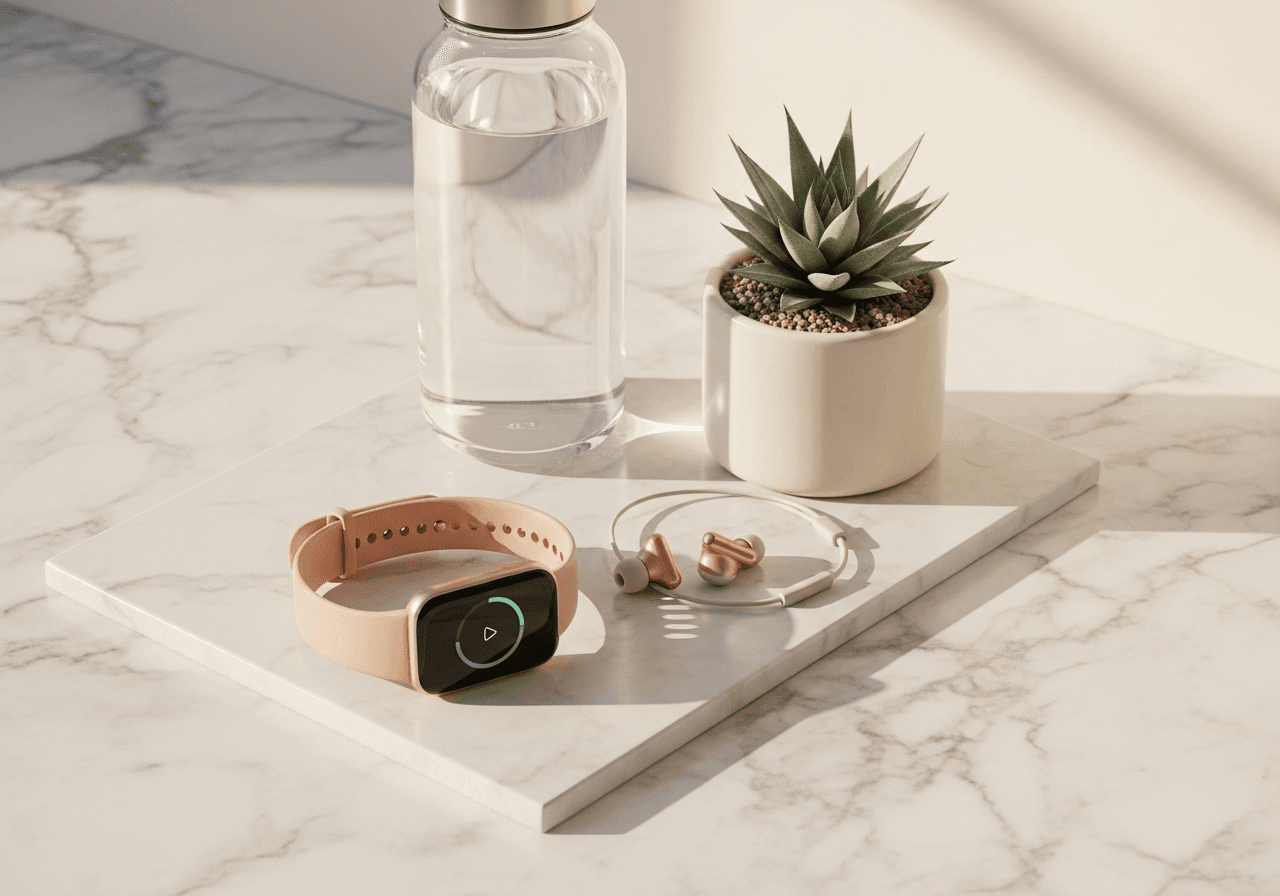
I started wearing a fitness tracker in my late 30s when I was trying to figure out why I was always tired. Not the normal "I need more sleep" tired, but the deeper, persistent kind where eight hours of sleep left me feeling like I had only gotten five. I had been assuming the problem was my schedule, then my diet, then my mattress. It turned out, at least partly, that what I thought was sleep was not actually restorative sleep at all. My tracker showed me I was waking up multiple times a night without fully remembering it, and that my deep sleep numbers were consistently low. That data started a whole chain of investigation that eventually led to real changes.
That is not the typical reason people buy fitness trackers, I know. Most people want step counts and workout tracking, and trackers do those things well. But I stuck with wearables because the health data, the actual physiological feedback, turned out to be more useful to me than any productivity app I have tried.
I have tested eight different trackers over the past four years, including ones I stopped wearing after a week and ones I have bought twice. These are the four that made the final cut, at different price points, for different priorities.
What Features Actually Matter for Women
Before getting into specific products, I want to explain what I actually look for, because the marketing around fitness trackers tends to overpromise on things that do not matter much and underexplain the things that do.
Sleep staging and recovery scores. Knowing you slept eight hours is not very useful. Knowing how much of that was light versus deep versus REM, and getting a consistent daily score that reflects your actual recovery state, is genuinely actionable. All four trackers on this list do this, though with different levels of detail.
Resting heart rate trends. Your resting heart rate on any given morning tells you more about your stress load and recovery than almost any other single metric. When mine ticks up three or four beats from my baseline, I know something is off, whether that is illness coming on, a tough training block catching up with me, or elevated life stress. This is the metric I check first every morning.
Stress tracking and HRV. Heart rate variability is the measure of tiny variations between heartbeats that reflects how well your nervous system has recovered. Better trackers estimate your HRV overnight and give you a stress or readiness score. This matters especially for women managing hormonal fluctuations, because HRV shifts predictably across the menstrual cycle.
Menstrual cycle tracking. Not all trackers handle this, and those that do handle it differently. The Fitbit app has a dedicated cycle tracking feature with symptom logging. Garmin's Connect app also includes this. It is worth checking before you buy if period tracking is a priority.
Battery life. Charging a tracker every day is real friction. I want at least five to seven days between charges so I can track my sleep without managing power anxiety every other night.
Form and comfort. I have a small wrist and have returned trackers purely because they felt like wearing a brick. If a tracker is not comfortable, you will not wear it, and a tracker you do not wear is useless.
Fitbit Charge 6, My Main Recommendation
This is the tracker I recommend to most people who ask me, and it is what I currently wear myself. The Fitbit Charge 6 hits the sweet spot I have been looking for: serious health features without smartwatch bulk, solid battery life, and an app that makes the data readable.
The Charge 6 is Fitbit's most feature-rich band, with built-in GPS so you do not have to carry your phone on walks and runs, a skin electrical activity sensor that contributes to the stress management score, and integration with Google Maps and Google Wallet. The Health Metrics Dashboard in the app pulls together your resting heart rate, HRV, breathing rate, and skin temperature into a readable daily picture.
I switched to the Charge 6 from a heavier smartwatch about a year and a half ago and have not looked back. The form factor is slim enough that I forget I am wearing it, the band material is comfortable for all-day wear, and the AMOLED display is easy to read in direct sunlight during outdoor workouts. Battery life runs about seven days with GPS use mixed in, which means I charge it every Sunday and never think about it otherwise.
The Active Zone Minutes feature has genuinely changed how I structure my workouts. Instead of tracking steps or distance, it measures minutes spent in heart rate zones calibrated to your personal max, which gives a much more accurate picture of actual cardio effort than a step counter does.
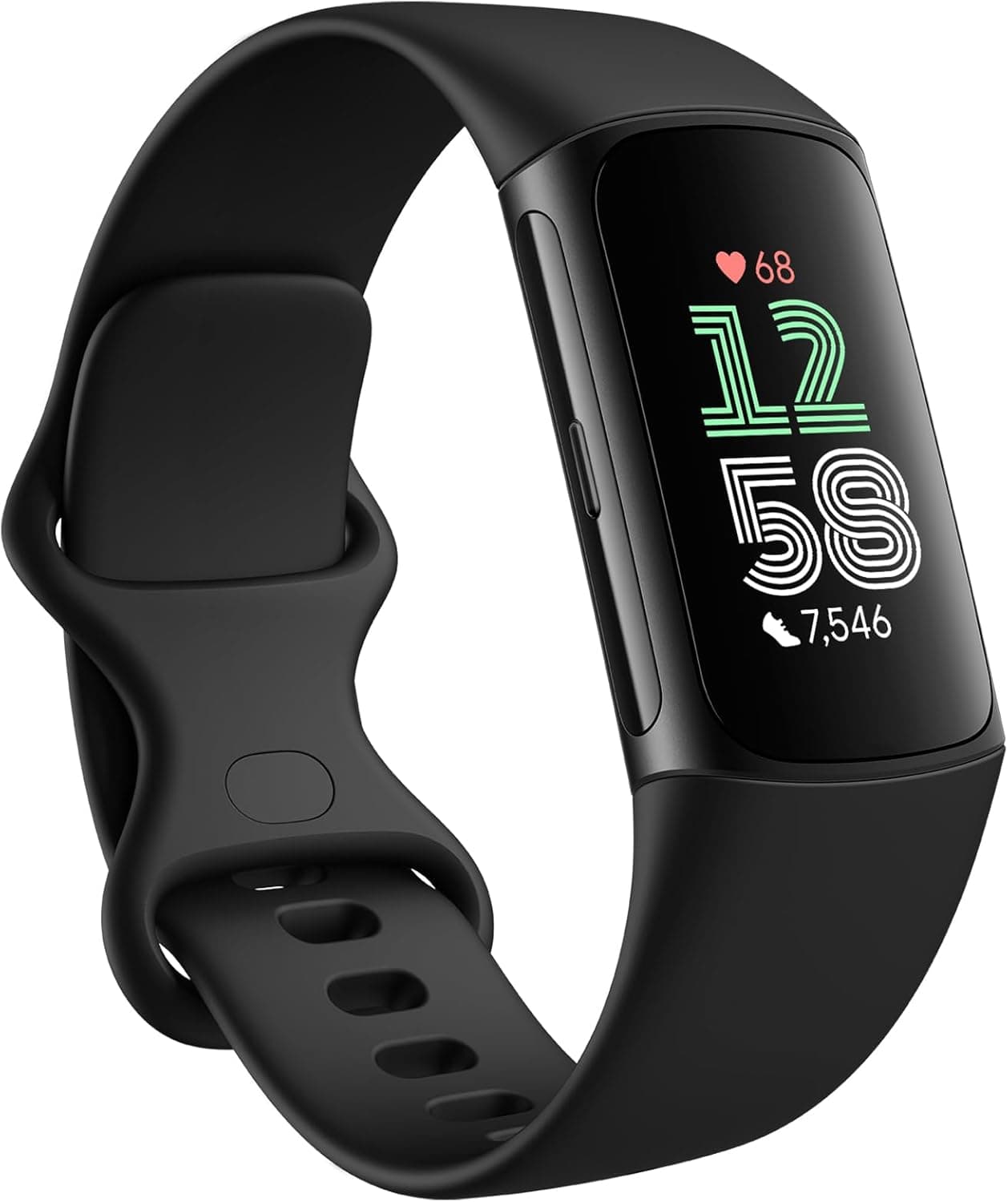
Fitbit Charge 6 Fitness Tracker with Google apps, GPS
My everyday tracker. Slim band with built-in GPS, 7-day battery, Google Maps and Wallet integration, and the best sleep and stress tracking I have found in a band-style form factor. Active Zone Minutes actually changed how I approach cardio. The app ties all your health metrics together in a way that makes the data genuinely useful rather than just a number pile.
The honest limitation: the Charge 6 requires a Fitbit Premium subscription (around $10 per month or $80 per year) to access the most useful features like the Daily Readiness Score, advanced sleep analysis, and detailed stress trends. The first six months are included with purchase, so you get a real trial before committing. Factor the ongoing cost into your decision.
Garmin Vivoactive 5, The GPS Smartwatch Option
If you want a full smartwatch with health tracking rather than a tracker that also does smartwatch things, the Garmin Vivoactive 5 is where I would go. It has a large AMOLED display, onboard GPS, Garmin Pay, music storage, and access to Garmin's library of watch faces and apps. The health tracking is built on Garmin's Body Battery system, which uses HRV, stress data, sleep, and activity to generate a 0 to 100 energy score throughout the day.
I used the Vivoactive 5 for about eight months before switching to the Charge 6 for everyday wear. What I genuinely missed after switching was the GPS accuracy and the Body Battery concept. Garmin's GPS outperforms Fitbit's in my experience, particularly for cycling and hiking where you want accurate distance and route mapping. The Body Battery is also slightly more intuitive than the Fitbit Daily Readiness Score because it updates throughout the day rather than just in the morning.
The Vivoactive 5 also has Garmin's women's health tracking built in, with cycle phase syncing that adjusts your recommended training load and recovery expectations based on where you are in your cycle. This is more sophisticated than most competitors and genuinely useful if you are trying to train with your cycle rather than against it.
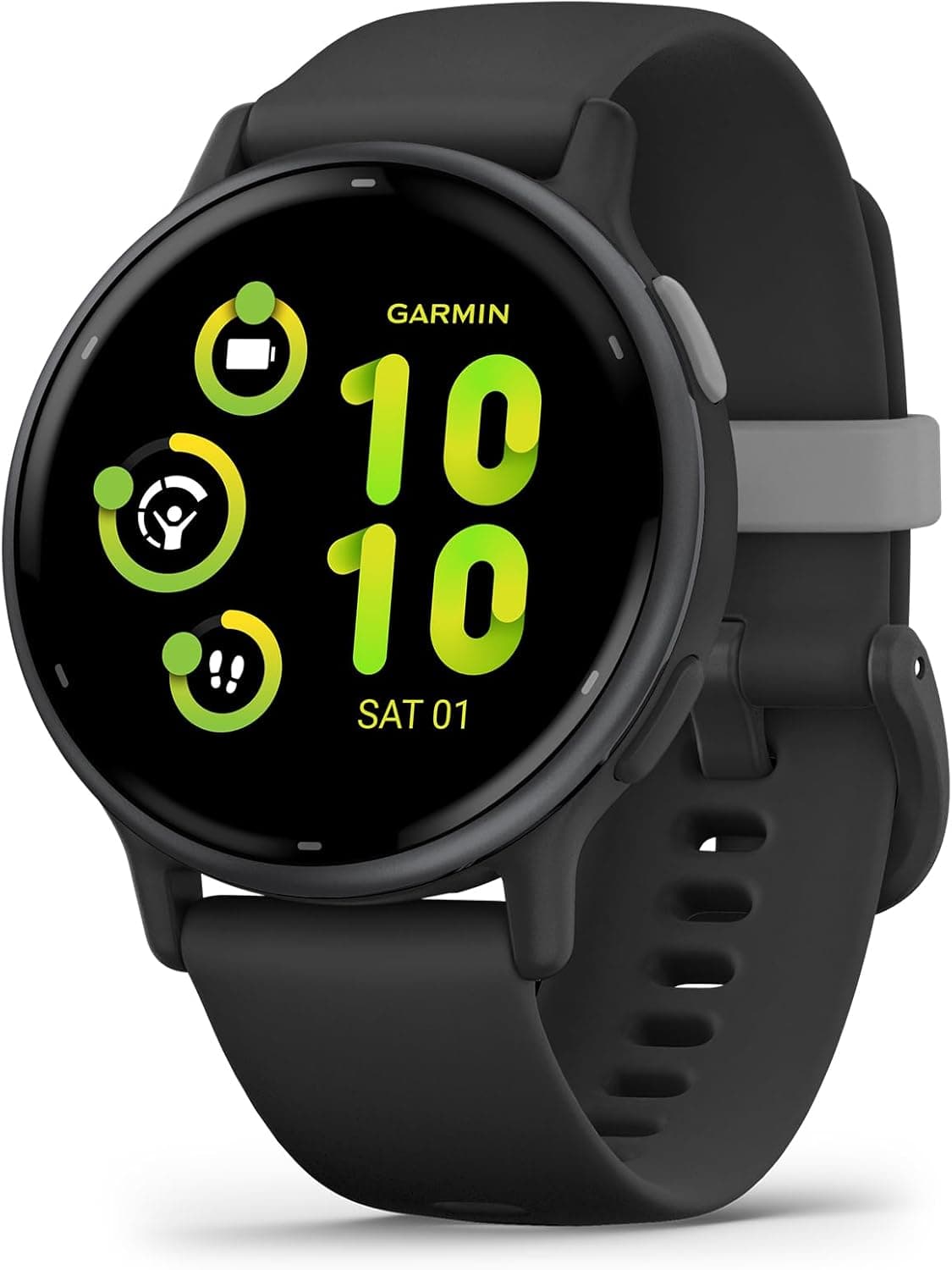
Garmin Vívoactive 5 Health and Fitness GPS Smartwatch, AMOLED Display
The GPS smartwatch pick. AMOLED display, onboard GPS for accurate route tracking, Garmin Pay, and the Body Battery energy system which is one of the smartest recovery metrics I have used. Cycle-aware training recommendations built in. Best for women who want serious training analytics in a smartwatch form factor. Battery lasts around 11 days in smartwatch mode, less with continuous GPS.
The battery life is about 11 days in regular mode, dropping to around 19 hours with continuous GPS. For everyday tracking and workouts where you are not doing multi-hour outdoor routes, the battery is not a problem. For multi-day hiking, you will want to plan charging stops.
Fitbit Inspire 3, The Everyday Budget Pick
Not everyone needs a high-end tracker. If your main goals are sleep monitoring, basic heart rate, and step tracking, the Fitbit Inspire 3 delivers all of that at under $80, with a battery life that beats most of its competitors.
The Inspire 3 is the slimmest option on this list, narrow enough that it disappears under a sleeve or a decorative watch band if you prefer to swap something in for work or evenings. It comes in several colors including a Lilac Bliss shade that is genuinely pretty in a way that most fitness trackers are not. Battery life is up to 10 days, which beats the Charge 6 for longevity if charging frequency bothers you.
My sister has worn an Inspire 3 for about two years. She does not care about GPS or Google integration. She wants to know how she slept, see her steps at a glance, and get a nudge when she has been sitting too long. For those goals, the Inspire 3 is perfect. Her main complaint is that the screen is hard to read in bright sunlight, which is a real limitation with the color display on this model.
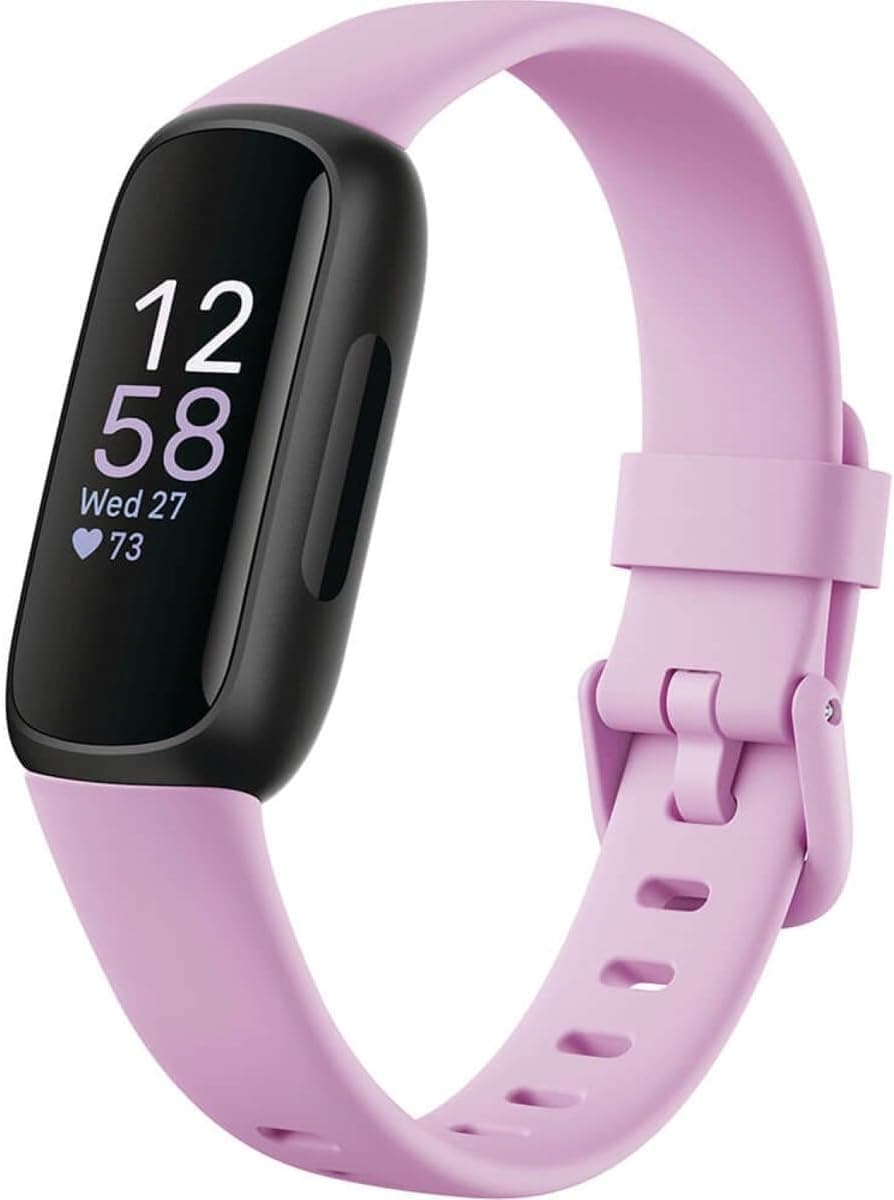
Fitbit Inspire 3 Health & Fitness-Tracker with Stress Management, Sleep Tracking
The slim, budget-friendly everyday tracker. Sleep staging, 24/7 heart rate, stress management, and 10-day battery for under $80. Available in genuinely pretty colors including Lilac Bliss. Best for anyone who wants the core health metrics without the premium price or smartwatch bulk. Screen visibility in direct sunlight is limited, worth knowing if you spend a lot of time outdoors.
The honest caveat: like the Charge 6, the Inspire 3 locks its most insightful features behind Fitbit Premium. Basic stats like steps, heart rate, and sleep duration are free. Detailed sleep staging, stress trends, and the Daily Readiness Score require the subscription. If you are already paying for Premium via another device, adding the Inspire 3 does not change your cost.
Samsung Galaxy Fit3, The Best Value Option
I did not expect to like the Samsung Galaxy Fit3 as much as I do for what it costs. At around $42, it tracks more health metrics than I thought possible at this price: heart rate, blood oxygen, sleep staging, stress score, snore detection, and body composition analysis. It also has a 1.6-inch AMOLED display that is genuinely readable and looks more expensive than it is.
The key caveat: it works best with Samsung phones. You can use it with any Android device through the Samsung Health app, but some features are limited outside the Samsung ecosystem. iPhone users will have a degraded experience, so if you are on iOS, one of the Fitbit options is a better fit.
Battery life is rated at 13 days, which is the best on this list and delivers close to that in real use. If charging your tracker feels like a burden, the Galaxy Fit3 removes that friction almost entirely. For someone who wants to dip a toe into health tracking without spending over $50, this is the one I would start with.
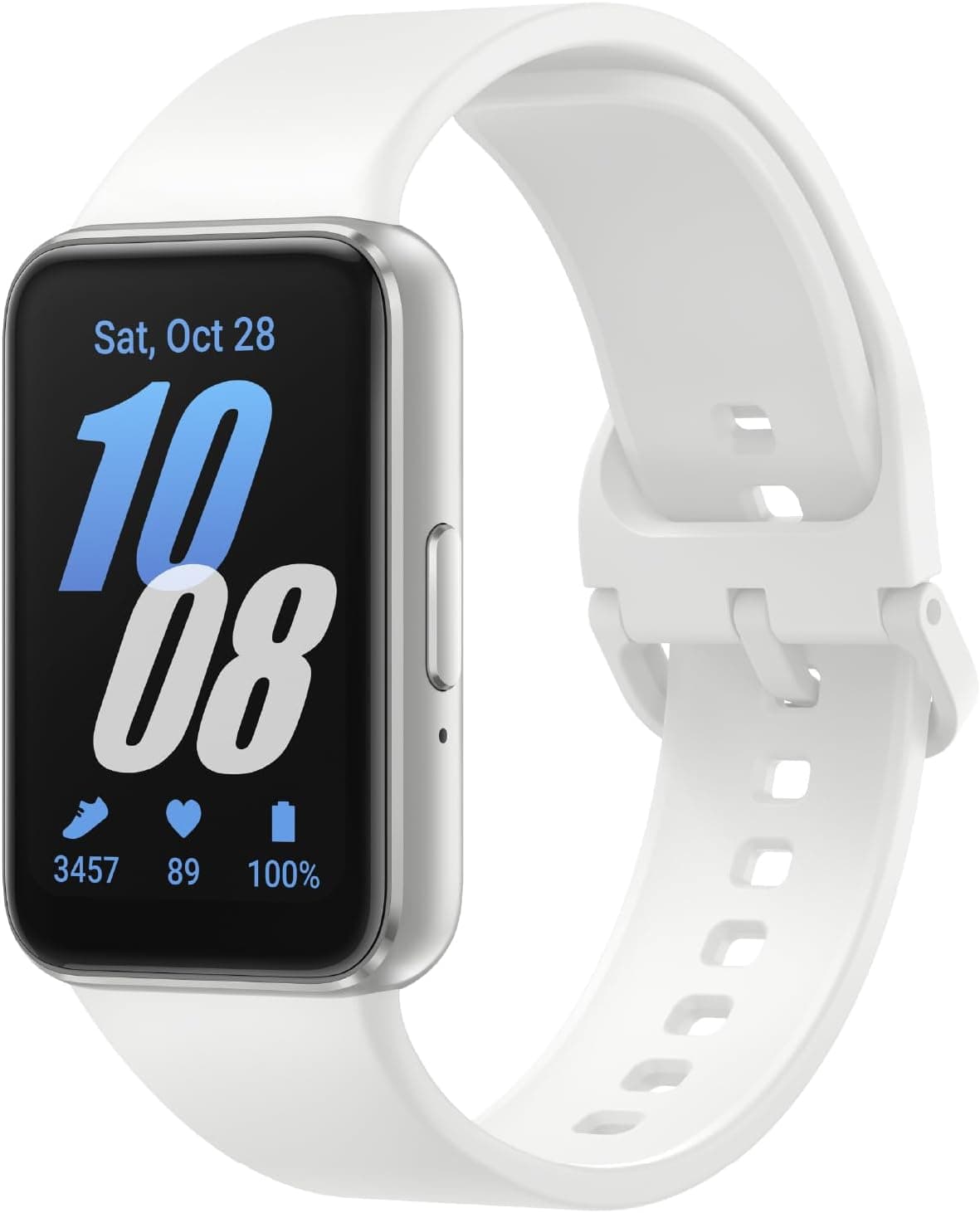
Samsung Galaxy Fit3, Health/Activity Fitness Tracker, 13 Day Battery
The best value tracker on this list. AMOLED display, 13-day battery, heart rate, blood oxygen, sleep staging, stress tracking, and snore detection for under $45. Works on Android (best with Samsung phones, more limited on iPhone). The sleep and recovery data quality genuinely surprised me at this price. A real overperformer.
How I Actually Use My Tracker
I check my resting heart rate and overnight HRV every morning before I reach for my phone. That baseline sets my expectations for the day. On mornings when my resting heart rate is elevated and my HRV is low, I know that pushing hard in a workout or trying to be maximally productive is probably not realistic. I will pivot to a walk instead of a run, or accept that a slower, more focused day is going to serve me better than fighting myself.
Sleep data changed how I think about the phrase "I slept eight hours." I have learned that what I do before bed matters more than what time I go to bed. My deep sleep is consistently lower when I eat late or have more than one drink. I used to dismiss those correlations as coincidence. Tracking made them undeniable.
The one thing I want to flag honestly: tracking can become compulsive in ways that are not healthy. I went through about three months where I felt anxious every morning if my sleep score was not in the green, which kind of defeated the purpose. I had to remind myself that the data is a tool, not a report card. If you have a tendency toward health anxiety, go into this with some intentionality about how you want to use the feedback.
I talk more about building a sustainable morning check-in habit in my post on morning routine products. And if you are pairing a tracker with an actual running program, my guide to best running shoes for women covers what to look for on that front.
What Did Not Work for Me
I tried the WHOOP 4.0 for four months on a subscription. The health data is genuinely excellent and the HRV and recovery coaching is more sophisticated than anything else on this list. But the form factor, a band with no display at all, was not for me. I kept reaching to check the time and having to pull out my phone. And the cost, around $30 per month on a subscription model, adds up fast. If you train seriously and want elite-level recovery analytics, WHOOP is worth investigating. For general health tracking, the value equation does not hold up the same way.
I also tried a tracker from a brand I will leave unnamed that was heavily marketed on social media last year. The app was beautiful. The data was unusable. Sleep scores varied wildly from night to night regardless of how I actually slept, resting heart rate readings were consistently off by about 10 beats from my chest strap reference, and customer support was nowhere to be found. I lost six weeks to that device. Please just start with a Fitbit or Garmin.