Best Water Bath Canning Supplies for Beginners
The water bath canning supplies you need to start preserving at home: a reliable starter kit, the right jars, and the guide that explains it all.
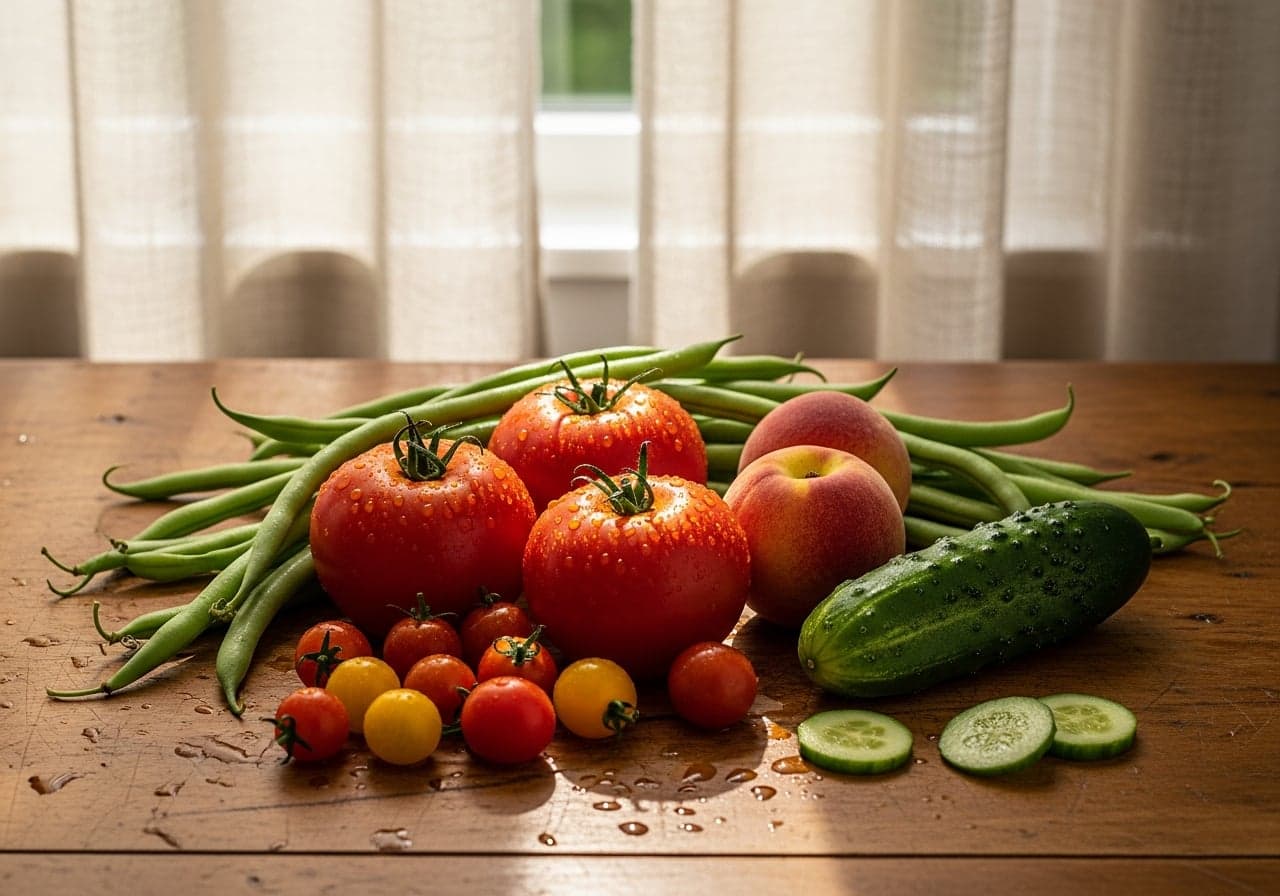
Every summer our garden gives us more tomatoes, cucumbers, and green beans than we can eat fresh. For years I gave the extras away or watched them go soft on the counter, which felt like a real waste. Last summer I finally decided to learn water bath canning so we could actually keep what we grew.
I had been putting it off because canning felt complicated, with too many rules and too many ways to go wrong. What I did not expect was how approachable it turned out to be. Water bath canning, the method used for high-acid foods like tomatoes, pickles, jams, and salsa, is genuinely beginner-friendly. The equipment list is short, the process follows a clear logic, and a single afternoon of prep turns a pile of tomatoes into jars that will last through winter.
The biggest thing that helped me get started was buying a complete starter kit rather than piecing things together. Having the right jar lifter, the right funnel, and a pot sized for the job meant I could follow a tested recipe without improvising. These are the four supplies I would hand to anyone starting out.
What Water Bath Canning Does (and What It Cannot Do)
Water bath canning works by fully submerging sealed jars in boiling water for a specific amount of time. The heat destroys harmful microorganisms in the food, and as the jars cool, the lids seal down and form a vacuum that keeps bacteria out.
The most important thing to understand before you buy anything: water bath canning is only safe for high-acid foods. Tomatoes with added citric acid or lemon juice, pickles made with vinegar, fruits, jams, and tested salsas all fall into this category. Low-acid vegetables, like plain green beans or corn, require pressure canning to reach the higher temperatures needed to prevent botulism. Every beginner should know this distinction before putting up a single jar.
For summer produce, though, water bath canning covers the most satisfying preserving projects. The tomatoes from our Virginia garden, the peaches from the farmers market, the cucumber pickles my boys actually request by name, and any jam I want on the shelf all fall into the high-acid category.
What You Actually Need
The equipment list for water bath canning is short. Four things cover it.
A proper water bath canning kit with a deep pot, a rack, and basic tools. Canning jars designed specifically for home preserving. Optionally, an alternative jar style worth knowing about. And a tested recipe guide, which is not optional if you want the food to be safe.
That is it. You do not need a dehydrator, a vacuum sealer, or anything elaborate before your first canning session. The supplies below are the ones I use and recommend.
Granite Ware 8-Piece Water Bath Canning Kit
This is the starter kit I bought and the one I would still recommend to a beginner. It includes a 21.5-quart enamel-on-steel pot, a jar rack, a jar lifter, a lid wand, a canning funnel, a bubble remover and headspace tool, and a recipe booklet. One box, one purchase, everything you need to run your first session.
The pot size matters more than I realized going in. You need a pot deep enough to fully submerge quart jars with at least an inch of water above the lids, plus extra room for the water to boil without splashing over. The 21.5-quart pot handles quart jars comfortably. The enamel-on-steel construction heats quickly and cleans up easily.
The jar rack is essential, not optional. Jars sitting directly on the bottom of the pot can crack from uneven heat, and the rack allows boiling water to circulate under and around every jar. The jar lifter is the tool I use most. Reaching into a full pot of boiling water without it is genuinely dangerous. The lifter grips the neck of the jar firmly and lets you transfer hot jars to a towel-lined counter without tilting them.
The included recipe booklet is a good starting point but not a comprehensive guide. I pair this kit with the Ball Blue Book below for a complete reference.
Honest limitation: the enamel can chip with heavy use over time. Hand-washing rather than putting it in the dishwasher extends its life considerably.
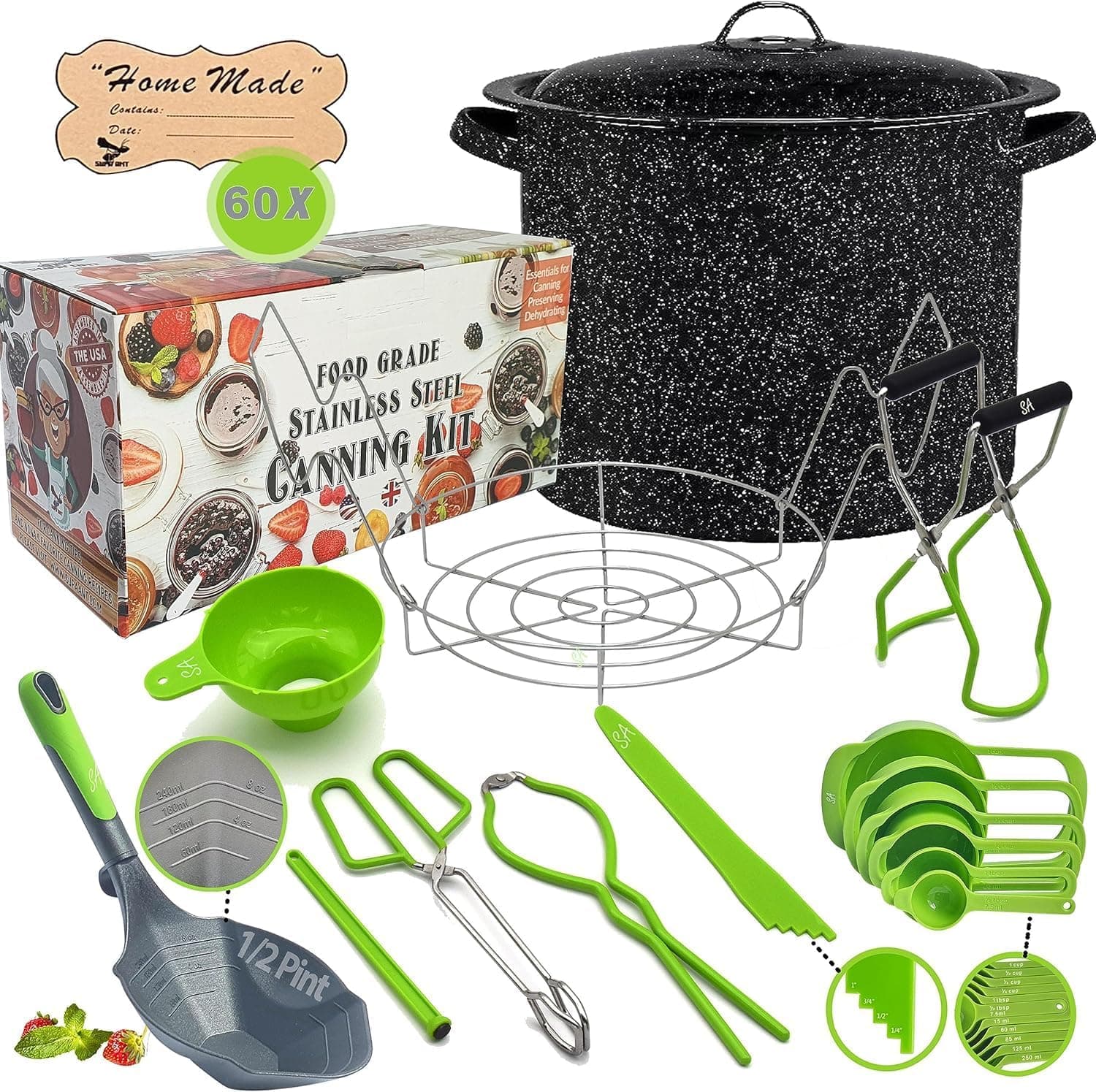
Granite Ware 8 Piece Enamelware Water Bath Canning Pot with Canning Kit and Rack - 21.5 Quart
The all-in-one starting point for water bath canning. A 21.5-quart enamel-on-steel pot with a jar rack, jar lifter, lid wand, funnel, bubble remover, and recipe booklet. Handles quart jars comfortably with full submersion room. Everything for your first canning session in a single purchase, without having to source each tool separately.
Ball Wide Mouth Quart Mason Jars (12 Pack)
Ball mason jars are the standard for American home canning. They are made with tempered glass designed for repeated boiling water baths, and the two-piece lid system, a flat lid with a sealing compound and a reusable screw band, has been the reliable standard for home canning for generations.
I use wide-mouth quart jars for tomatoes, salsa, and whole pickles. The wide opening makes filling cleaner with a funnel and makes wiping the jar rim before lidding much easier. For jams and smaller batches, half-pint and pint jars from the same line work the same way with the same lids.
One thing worth flagging clearly: Ball jar lids, the flat piece with the rubber sealing compound, are single-use. The bands can be reused, but lids should be new every canning season. A used lid that has already sealed once cannot be relied on to seal again. New lids are inexpensive and this is not a place to cut corners. The Ball Blue Book canning guide makes this point explicitly, and it is worth taking seriously.
The jars themselves last for years as long as you check the rim before each use. Any chip on the sealing surface means the jar will not seal properly and should be retired to pantry dry goods storage instead.
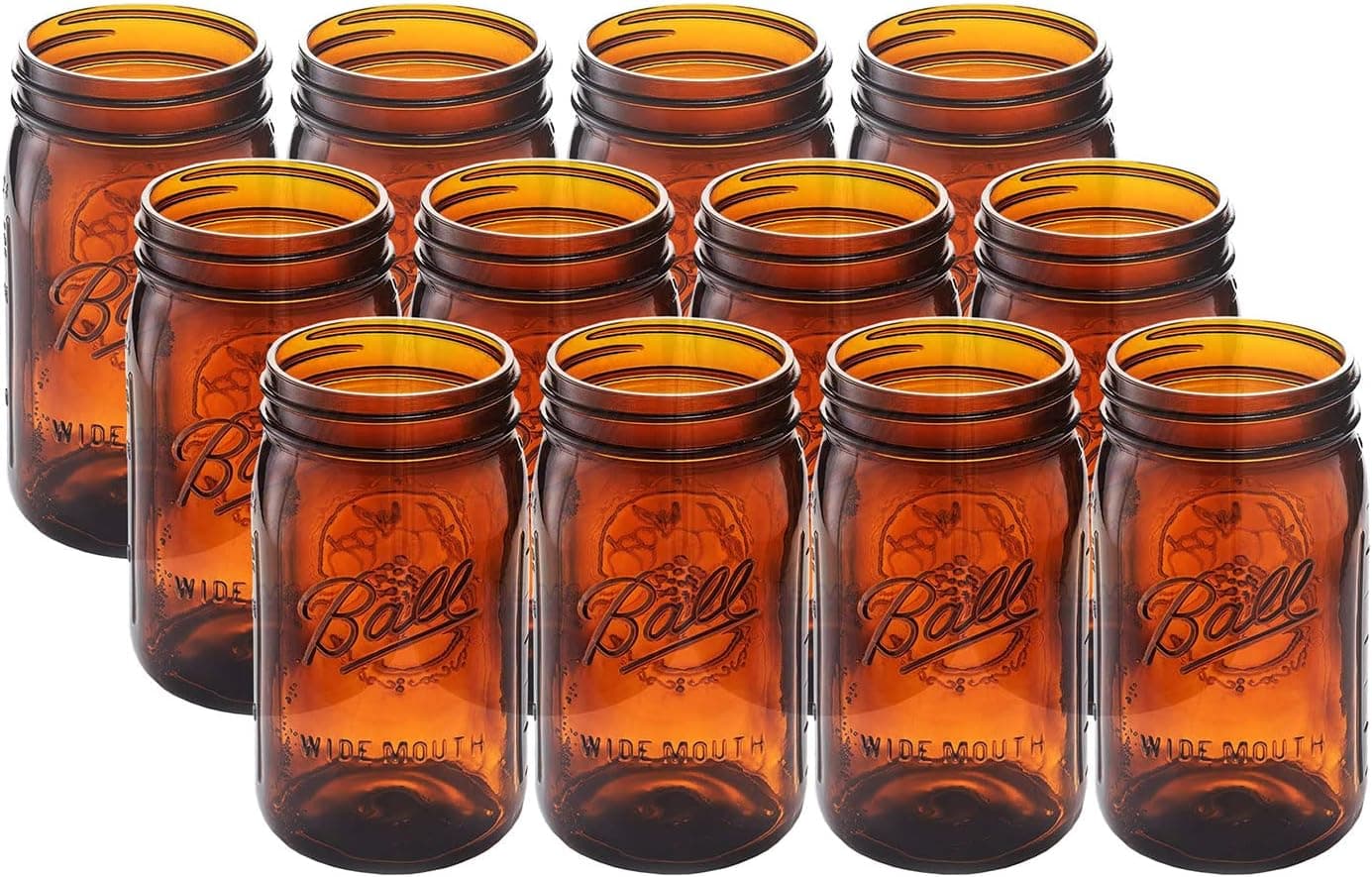
Ball Wide Mouth Quart (32 oz.) Glass Canning Mason Jars with Lids and Bands, 12-Count
The reliable standard for home canning. Wide-mouth quart jars hold 32 oz and make filling and cleaning the jar rim simple. Tempered glass handles repeated boiling water baths. Lids and bands included, though lids should be replaced each canning season. Jars are reusable indefinitely when kept chip-free. The workhorse of a home canning pantry.
Weck 745 Tulip Jars (1 Liter, Set of 6)
Weck jars are a German alternative to Ball mason jars that use a completely different lid system, and they have become popular with home canners who want something more beautiful on the pantry shelf or in a gift basket.
Instead of a two-piece metal lid, Weck jars use an all-glass lid with a rubber gasket and two stainless steel clips that hold the lid during processing. Once the jar seals and cools, you remove the clips for storage. The glass lid means no rust, no corrosion, and no metal ever in contact with the food.
The 1-liter size is roughly equivalent to an American quart at 33.8 oz, which makes it practical for most standard canning recipes. The tulip shape is genuinely lovely, especially filled with peach jam or strawberry preserves.
Practical notes: Weck rubber rings can be reused but should be inspected closely for any nicks before each use. I use them with the same processing times listed in the Ball Blue Book for the equivalent jar size, which is standard practice since Ball times are tested for glass jars of comparable volume.
Honest limitation: Weck jars cost significantly more per jar than Ball mason jars. For high-volume summer canning when you are putting up 30 or 40 jars of tomatoes, the price difference adds up. I use Weck for jams and preserves I want to display or give as gifts, and Ball mason jars for everyday canning volume.
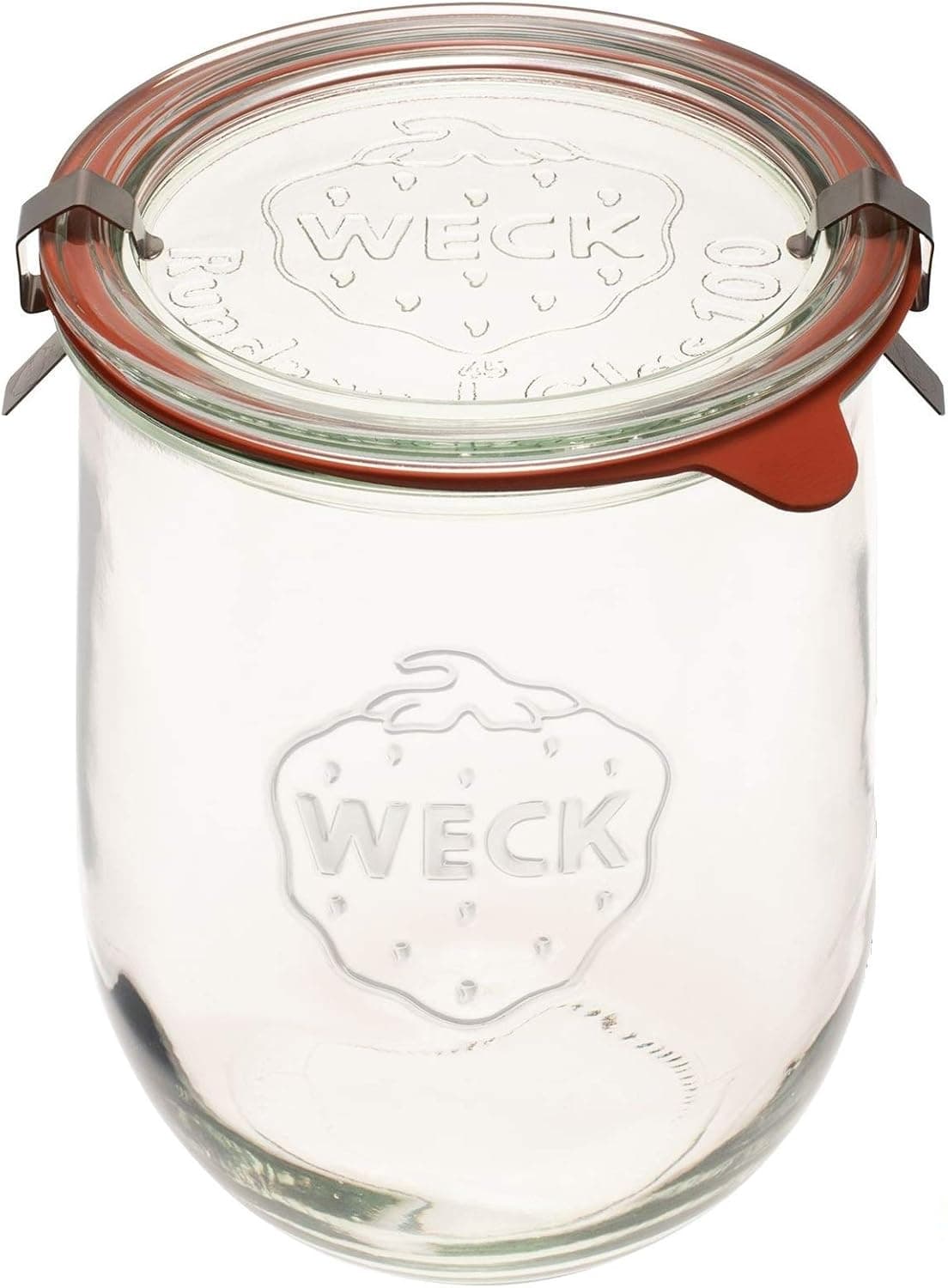
The premium glass-lid alternative to metal-band mason jars. One-liter tulip jars with all-glass lids, rubber gaskets, and stainless steel clips mean no rust and no metal contact with food. Lids and rubber rings are reusable. More expensive per jar than Ball mason jars, but worth it for preserves you want to display on a shelf or give as gifts.
Ball Blue Book Guide to Preserving
I am going to be direct: do not skip this book. Home canning without tested recipes is genuinely risky, and this is the reference that has been the standard for American home canners for decades.
The Ball Blue Book covers both water bath and pressure canning with tested recipes for vegetables, fruits, jams, pickles, relishes, and salsas. Each recipe specifies exact processing times, jar sizes, headspace measurements, and acid levels. These are not just guidelines; they are safety parameters verified by food scientists to ensure the correct temperature reaches the center of every jar for the required amount of time.
What I reach for it for most often: confirming whether a food can be water bath canned or requires pressure canning, looking up the correct processing time when I change jar sizes, and finding trusted salsa recipes. Salsa is tricky for home canning because the ratio of low-acid vegetables to tomatoes affects safety, and adjusting a family recipe without testing is a real risk. The book has multiple tested salsa recipes I can put up without worrying.
It also covers adjustments for altitude, which matters if you live above 1,000 feet and affects how long processing takes. Stafford is low enough that I do not need to adjust, but it is good to know the table is there.
Honest limitation: new editions come out periodically and older editions may have outdated processing times for some foods. Cross-referencing the Ball website alongside the book is a good habit when you are uncertain about a specific recipe.
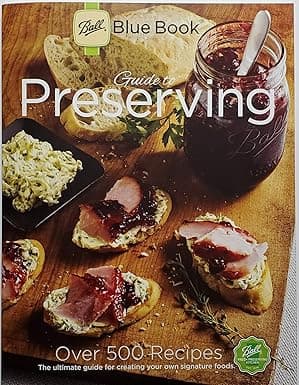
The essential reference for home canners. Tested recipes and processing times for fruits, vegetables, jams, pickles, relishes, and salsas. Covers both water bath and pressure canning with safety parameters verified by food scientists. The book I check before starting any new recipe. Not optional if you are canning food for your family.
Tips for Your First Water Bath Canning Session
A few things I wish I had known before my first batch.
Check your jars every single time. Run a finger around the rim of each jar before filling. Any chip or rough spot means the jar will not seal. Retired jars make great dry goods storage in the pantry but should not go through a water bath.
Start heating the water early. A large pot of water takes a long time to come to a boil, especially on an electric stove. Start it when you start prepping your recipe. Cold or lukewarm water when you add your jars is one of the most common beginner frustrations.
Keep your jars warm until you fill them. Cold jars can crack when filled with hot food. I leave mine in the hot (not boiling) water until I am ready to fill each one, then pull them out one at a time with the jar lifter.
Wipe the rims before lidding. Any food or liquid on the sealing surface of the rim prevents a proper seal. A clean damp cloth after filling each jar takes five seconds and matters.
Time from full boil, not from when you lower the jars. Processing time starts when the water returns to a full rolling boil after you add the jars. A pot that is only simmering does not count.
Let them cool undisturbed. The pops as lids seal are one of the most satisfying sounds in a canning session. Let jars cool on a towel on the counter for at least 12 hours without moving or pressing the lids. Any jars that have not sealed after 24 hours go straight to the refrigerator and get used within a week.
Frequently Asked Questions
You'll Also Love
- Best Pressure Canners for Home Canning: once you are comfortable with water bath canning and want to preserve green beans, corn, and meats, this is the next step.
- Best Fermentation Supplies for Beginners: another way to preserve summer produce that needs no heat processing at all.
- Best Vacuum Sealers for Home Use: for extending the life of dry goods and freezer items alongside your canned pantry.