Collagen Peptides Benefits: Why I Add It Daily
I'll be honest with you, I started adding collagen to my morning coffee because I saw it on Instagram and wanted glowing skin.
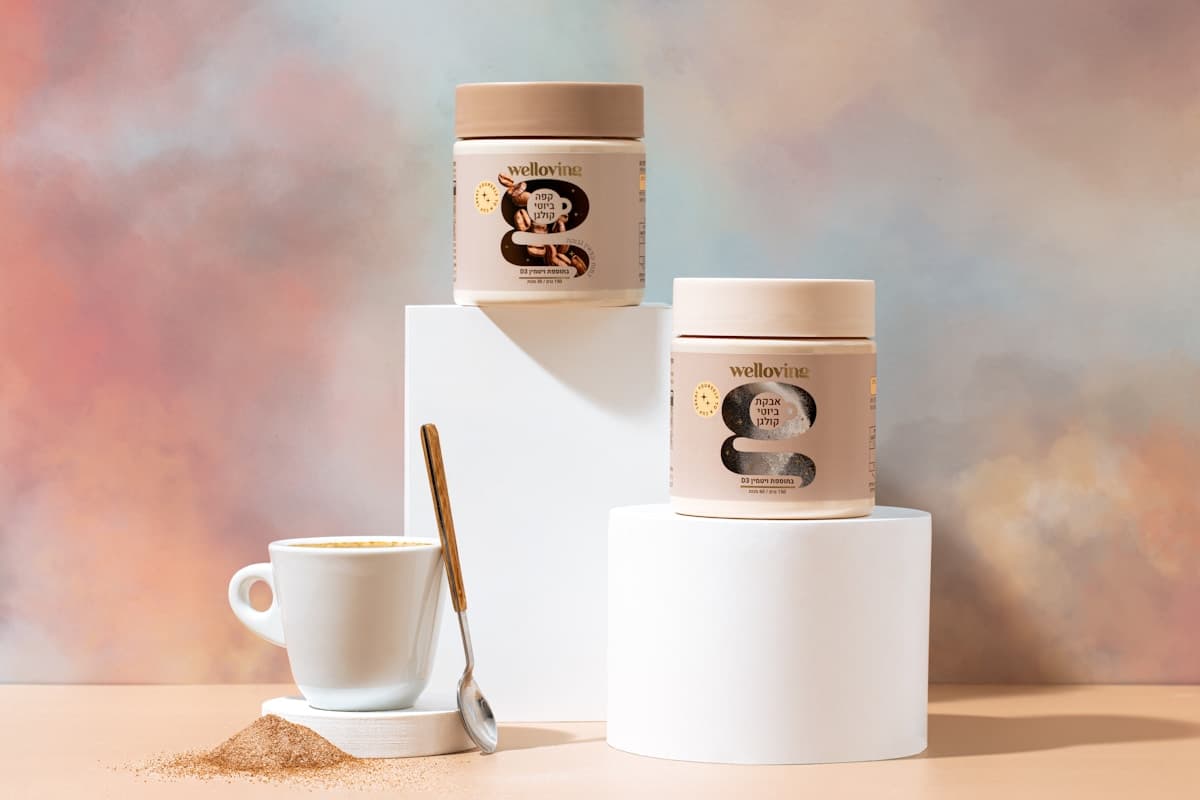
I’ll be honest with you, I started adding collagen to my morning coffee because I saw it on Instagram and wanted glowing skin. That was it. I wasn’t thinking about my joints or my gut. I just wanted that lit-from-within skin I kept seeing in every wellness influencer’s feed. What I didn’t expect was that six weeks in, I’d be raving to my sister about how my knees felt amazing after hiking, and how I’d somehow stopped feeling bloated after every single meal. Collagen had surprised me in the best possible way.
So today I want to walk you through everything I’ve learned about collagen peptides benefits, the skin stuff, yes, but also the joint and gut benefits that completely changed how I think about this supplement. Whether you’re already adding collagen to your routine or you’re on the fence, I hope this helps you decide if it’s right for you.
What Are Collagen Peptides, Exactly?
Collagen is the most abundant protein in your body. It’s the structural “glue” that holds your skin, joints, tendons, bones, and gut lining together. But here’s the thing, your body’s natural collagen production starts declining in your mid-20s. By the time you’re in your 30s, you’re producing noticeably less each year. That’s why skin starts to lose firmness, joints can feel stiffer, and recovery from workouts takes longer.
Collagen peptides are hydrolyzed collagen, meaning the long protein chains have been broken down into smaller, more bioavailable amino acid fragments. When you consume collagen peptides, your body absorbs those amino acids and uses them to stimulate collagen synthesis throughout the body. Essentially, you’re giving your body the raw materials it needs to do its repair work.
The reason I prefer collagen peptides in powder form over capsules is simple: you get a much higher dose per serving (usually 10–20g), and the powder dissolves in hot or cold liquids without any flavor or texture change. I literally stir it into my morning coffee and forget I took it.
The Skin Benefits I Noticed First
I’ll admit, skin was my primary motivation, so let me start there. Within the first three to four weeks, I started noticing that my skin felt more hydrated almost plumper, especially around my cheeks and under my eyes. The fine lines I’d been obsessing over weren’t exactly gone, but they looked less prominent. My skin just seemed… bouncier.
Research backs this up, and I go into even more detail about the skin, hair, and joint effects in my post on the benefits of collagen for women. Multiple clinical studies have shown that oral collagen supplementation significantly improves skin elasticity, hydration, and dermal collagen density. One study published in the Journal of Drugs in Dermatology found that women who took hydrolyzed collagen for 12 weeks showed a 76% reduction in skin dryness and a significant improvement in skin firmness compared to the control group.
The skin benefits I notice most are:
- Improved hydration, my skin holds moisture better, even in dry weather
- Smoother texture, the texture on my forehead especially looks more refined
- Stronger nails, I used to get those annoying peeling nails and that’s basically gone
- Hair thickness, my ponytail feels noticeably fuller than it did before

The Surprise: Joint Support That Actually Works
This is the one that genuinely shocked me. About five weeks into my collagen routine, I went on a long hike with some friends, the kind with steep inclines and rocky terrain that usually leaves my knees aching the next day. I braced myself for the soreness that never came. My joints felt completely fine.
Collagen makes up about 65% of the protein in your cartilage, so it makes total sense that supplementing with collagen peptides would support joint health. The amino acids in collagen, specifically glycine, proline, and hydroxyproline are the building blocks of cartilage and the connective tissue that cushions your joints. When you give your body more of these amino acids, it can better maintain and repair that cushioning.
Studies have been particularly promising for athletes and active women. A 2008 study in the Current Medical Research and Opinion journal found that athletes who supplemented with collagen peptides experienced a significant reduction in joint pain and inflammation compared to those taking a placebo. If you’re someone who exercises regularly, takes long walks, or has started noticing stiffness in the morning, this benefit alone might make collagen worth adding to your routine.
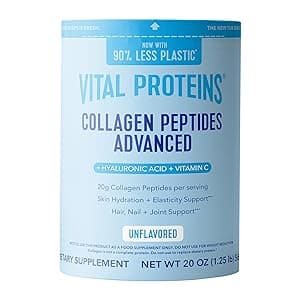
Vital Proteins Collagen Peptides Powder Advanced with Hyaluronic Acid & Vitamin C
The gold standard in collagen peptides, this unflavored formula blends seamlessly into coffee, smoothies, or water. Each serving delivers 20g of collagen plus hyaluronic acid and vitamin C for amplified skin and joint support.
The Gut Benefits I Didn’t Expect at All
Okay, the gut stuff. This was the real surprise for me, and honestly the benefit that has made the biggest difference in my daily quality of life. I’ve dealt with low-level bloating and digestive discomfort for years, nothing dramatic, but enough to make me feel puffy and uncomfortable after most meals. I’d tried cutting various foods, adding probiotics, drinking more water. Nothing really moved the needle.
Then, about six weeks into my collagen routine, I realized I wasn’t bloated after dinner. Or after lunch. Or really at all. I hadn’t changed anything else about my diet. The only new variable was collagen.
Here’s the science behind it: the gut lining is largely made up of collagen, and when that lining gets compromised, something called increased intestinal permeability, or “leaky gut”, it can lead to inflammation, bloating, and digestive issues. The amino acids in collagen peptides, especially glycine and glutamine, are known to support the integrity of the gut lining. Glycine in particular has anti-inflammatory properties that help soothe the digestive tract.
This is why collagen has become such a staple in gut-health protocols. (If you want to build a full gut-supporting routine, start with these gut health habits.) It’s not a probiotic, but it works alongside probiotics to strengthen the tissue that lines your digestive system. For me, the combination of daily collagen and a quality probiotic has been genuinely transformative for my digestion.
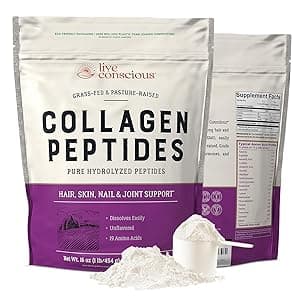
Live Conscious Collagen Peptides Powder
Grass-fed, pasture-raised, and third-party tested. This collagen is virtually tasteless and dissolves completely, no clumping. One of my go-to picks for everyday collagen support at a great price point.

How I Add It to My Morning Coffee
My routine is so simple. Every morning, after I brew my coffee, I add one scoop (about 10–20g depending on the brand) of unflavored collagen peptides directly to my mug. I stir for about 20 seconds, and it completely dissolves. There’s no taste, no texture, no foam, just my regular coffee with a hidden protein boost. I’ve been doing this for over eight months now, and it takes me all of ten seconds.
A few tips I’ve learned along the way:
- Use unflavored collagen, flavored varieties can alter the taste of your coffee in ways you might not love
- Hot liquids dissolve it best, though many brands work well in cold drinks too
- Take it consistently, the benefits build over time; most studies show results after 8–12 weeks
- Pair it with vitamin C, vitamin C helps your body synthesize collagen, so your morning OJ or a vitamin C supplement works synergistically
- Store it in a cool, dry place, humidity can cause clumping
Some people add their collagen to smoothies, oatmeal, soups, or even baked goods. The versatility is one of collagen’s best qualities. As long as you’re taking it daily and getting a meaningful dose (I aim for at least 10g), you should start noticing benefits within four to eight weeks.
What to Look for When Choosing a Collagen Supplement
Not all collagen is created equal, and I’ve learned to look for a few key things when choosing a collagen peptide powder:
- Hydrolyzed collagen peptides, this means the collagen has been broken down for better absorption; look for “hydrolyzed” or “peptides” on the label
- Grass-fed and/or pasture-raised bovine, this indicates a higher quality source with better nutrient profiles
- Third-party testing, look for NSF, Informed Sport, or similar certifications for quality assurance
- Minimal ingredients, the best collagen powders contain just collagen peptides, with no added fillers or artificial sweeteners
- Type I and III collagen, these are the most relevant for skin and gut health specifically
I’ve tried a lot of brands over the past year, and I keep coming back to a handful of tried-and-true options. The ones below are my actual recommendations based on months of personal use:
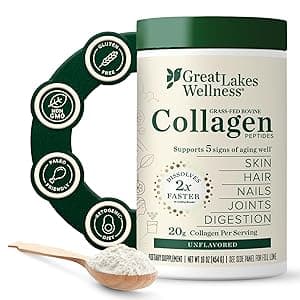
Great Lakes Wellness Collagen Peptides Powder
A trusted classic that’s been around for decades. Sourced from grass-fed bovine, this collagen powder is unflavored, easy to digest, and perfect for anyone who wants a no-fuss daily collagen boost.
How Long Until You See Results?
I want to set realistic expectations because I’ve seen a lot of people give up after two weeks and declare that collagen “doesn’t work.” The truth is that collagen benefits take time to build. Most research shows visible skin improvements at the 8–12 week mark, with joint and gut benefits often noticed between weeks 4–8. The good news is that once you start noticing the changes, they tend to stick around as long as you keep supplementing.
My timeline looked something like this:
- Week 2–3: Nails started growing faster and felt stronger
- Week 4–5: Noticed less joint soreness after workouts
- Week 5–6: Bloating decreased significantly
- Week 7–8: Skin looked and felt more hydrated and plump
- Week 10–12: Full glow-up, the combination of all benefits really showed
The key is patience and consistency. Collagen isn’t a one-and-done fix, it works by giving your body the materials it needs to rebuild and repair over time. Think of it like going to the gym: you won’t see results after one session, but show up every day and the transformation is real.
Is Collagen Right for You?
If you’re someone who wants to support your skin as you age, keep your joints feeling good, or improve your digestive health, collagen is one of the most well-researched and accessible supplements you can add to your routine. It’s also one of the easiest, we’re talking about stirring a tasteless powder into your morning coffee. The barrier to entry is basically zero.
I genuinely wish I’d started sooner. At this point, collagen has become as non-negotiable as my morning cup of coffee itself, and since I combine the two, it’s basically zero extra effort. If you’ve been curious about collagen, I really think it’s worth trying for at least two to three months to give it a fair shot. I think you’ll be surprised by what happens.
Have you tried collagen peptides? I’d love to hear what you’ve noticed. Drop a comment below and let me know what benefits you’ve experienced, or if you have questions about which product to try. I’m happy to help!
The Best Ways to Take Collagen Peptides
One of the best things about collagen peptides is how incredibly versatile they are. Unlike some supplements that demand a strict schedule or specific preparation, collagen fits seamlessly into whatever routine you already have. Here are the ways I’ve personally experimented with, and the ones that actually stick.
In Your Morning Coffee or Tea
This is my personal favorite and the method I’ve stuck with consistently for over a year. A single scoop of unflavored collagen powder dissolves completely in hot liquid with zero clumping and zero flavor change. Your coffee tastes exactly the same, but now it’s doing double duty. I pour my mug, add my scoop, give it a quick stir, and that’s it, done for the day. The habit is already there; the collagen just piggybacks on it.
Blended Into Smoothies
If you’re already making a morning smoothie, collagen is an effortless addition. Toss in a scoop with your fruit, greens, and protein powder and blend. It dissolves completely and won’t affect the taste. I especially like pairing it with berry smoothies because the vitamin C in berries actually helps your body synthesize collagen more effectively.
Stirred Into Oatmeal or Overnight Oats
The warm liquid in cooked oatmeal dissolves collagen peptides easily. I’ll stir a scoop into my oatmeal right when it’s hot and top with fruit and nut butter. It’s a filling, protein-rich breakfast that doubles as a beauty ritual. Overnight oats work too, just add the powder when you’re mixing everything together the night before.
Mixed Into Soups or Broths
For a savory option, collagen peptides stir right into any warm broth or soup without altering the flavor. I sometimes add a scoop to my afternoon miso soup or evening bone broth. This is a great option if mornings feel too rushed for supplements, a cozy afternoon or evening ritual works just as well.
In Baked Goods and Snacks
Collagen peptides can be mixed into pancake batter, energy balls, muffin recipes, or homemade granola. The heat doesn’t destroy its benefits since the peptides are already hydrolyzed (broken down), so baking is fair game. I’ll sometimes make a batch of protein-collagen energy bites on Sunday and have them ready all week.