Getting Started with Homeschooling: A Beginner's Guide
Ready to start homeschooling? This beginner's guide covers legal requirements, choosing your approach, getting organized, and your very first steps.
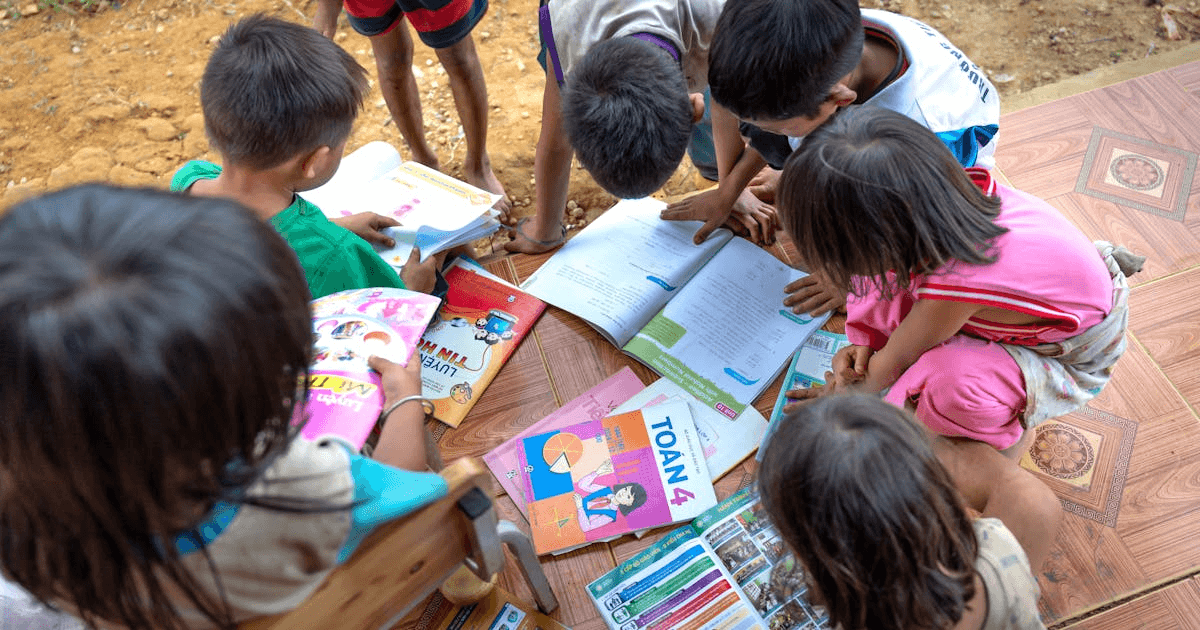
I remember sitting at our kitchen table one evening, watching my 7-year-old struggle through yet another worksheet that had nothing to do with how he actually learns, and thinking: there has to be a better way. That thought turned into research. The research turned into conversations. And eventually, those conversations turned into one of the best decisions our family has ever made. If you're sitting where I was, curious, nervous, maybe a little overwhelmed, this post is for you. I want to walk you through the basics of how to actually begin, because once you get past the initial fear, homeschooling is far more doable than it looks from the outside.
Understand Your State's Legal Requirements
This is the very first step, and it's non-negotiable. Homeschooling is legal in all 50 U.S. states, but the regulations vary wildly from state to state. Some states are very relaxed, you file a simple notice of intent and you're good to go. Others require approved curricula, standardized testing, portfolio reviews, or even teacher evaluations.
Here's what to look into for your state:
- Notice of intent, Do you need to formally notify your school district or state?
- Required subjects, Are there specific subjects you must teach?
- Record keeping, Do you need to maintain attendance logs or portfolios?
- Assessments, Are annual evaluations or standardized tests required?
- Umbrella schools or cover schools, Does your state allow these as an alternative structure?
The best place to start is the HSLDA (Home School Legal Defense Association) website, which has a state-by-state breakdown. Your state's department of education website will also have official requirements. I'd also recommend joining a local homeschool Facebook group, the parents who've been doing this for years are incredibly generous with their knowledge and can tell you exactly what they file and when.
Don't let the legal side intimidate you. Most states make it straightforward. In many cases, it's as simple as filing a one-page form. Even in the stricter states, the requirements are completely manageable once you know what they are. The key is finding out before you start, not after.
Also worth knowing: your timeline for filing often depends on your state. Some require notice before you withdraw from public school, while others just need annual notification. A few states have no notification requirement at all. Do your research early so you're not scrambling.
Ask Yourself Why You Want to Homeschool
Before you dive into curriculum shopping or Pinterest-worthy school room setups, sit with this question for a while. Your "why" is going to shape everything, the approach you choose, the schedule you build, the expectations you set. And on the hard days (because there will be hard days), your "why" is what pulls you through.
Some common reasons families homeschool:
- Their child's learning style isn't being met in a traditional classroom
- They want more flexibility for travel, sports, or family time
- Concerns about the social environment at school
- A desire to incorporate faith or specific values into education
- Special needs that require a more tailored approach
- They simply believe they can provide a richer educational experience at home
- A gifted child who needs more challenge and depth than a typical classroom provides
- Health issues that make regular school attendance difficult
There's no wrong answer. My reason started with one child and evolved into something much bigger for our whole family. Your reason will be your own, and it will probably shift over time too. That's completely normal.
I'd suggest writing your "why" down somewhere, in a journal, on a sticky note on your fridge, in the notes app on your phone. Come back to it on the tough days. It's your anchor.
Explore Different Homeschooling Approaches
One of the most beautiful things about homeschooling is that there's no single right way to do it. You get to choose an approach that fits your family, or mix and match from several. Here are the most common ones:
Classical Education, Based on the trivium (grammar, logic, rhetoric stages). Heavy on reading, memorization in early years, critical thinking as kids get older. Great for families who love structure and the liberal arts.
Charlotte Mason, Emphasizes "living books" (real literature, not textbooks), nature study, short focused lessons, and narration. This approach is gentle and beautiful, and it's been a huge part of our homeschool.
Montessori, Child-led, hands-on learning with carefully prepared environments. Works especially well for younger kids but the philosophy can extend into older grades.
Unschooling, Interest-led, child-directed learning with minimal formal curriculum. The parent acts as a facilitator. This one takes a lot of trust and intentionality but can produce incredible results.
Eclectic/Relaxed, A blend of whatever works. Most homeschool families end up here eventually, pulling pieces from different philosophies and building something custom.
Online/Virtual Schools, Full curricula delivered digitally. Some are accredited, some are self-paced. These can be great if you want structure but need flexibility in scheduling.
Don't feel like you need to commit to one approach on day one. Read about them, talk to families who use them, and try things out. You'll find your groove. And know that most families evolve their approach over time, what works for your kindergartner might not work for your fourth grader, and that's completely normal. The ability to adapt is one of homeschooling's greatest strengths.
I've written a much more detailed breakdown of each approach with specific curriculum recommendations in my curriculum options post, so check that out when you're ready to go deeper.
Getting Organized: The Practical Side
Once you know your state requirements and have a general sense of your approach, it's time to get organized. Here's what I'd suggest:
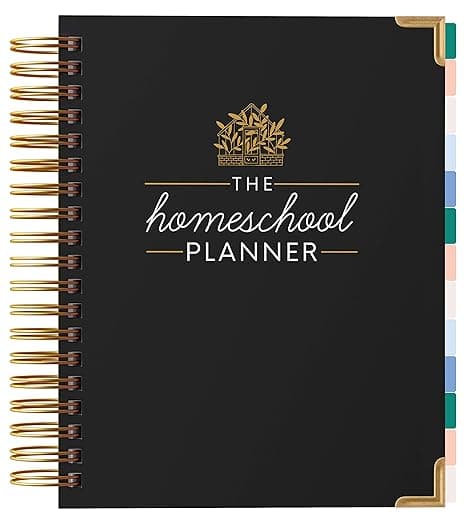
The Homeschool Planner, Beautiful & Undated with Monthly Tabs, Meal Planning & Academic Tools
A good planner makes those first months so much less overwhelming, with space for lesson planning, attendance tracking, and goal setting all in one place.
1. Set up a simple filing system. You'll want a place for your notice of intent (if required), attendance records, work samples, and any evaluations. A binder or an accordion file works great.
2. Decide on a general schedule. You don't need an hour-by-hour plan, but think about the rhythm of your day. Will you do school in the morning and have afternoons free? Will you do four days on and one day off? Block scheduling? Start with something loose and adjust as you learn what works.
3. Gather your materials. Depending on your approach, this might mean curriculum packages, library cards, art supplies, or just a stack of living books. Don't go on a massive spending spree right away, you can build your resources over time.
4. Create a dedicated space. This doesn't have to be an entire room. A corner of the dining table, a shelf with supplies, a basket of books, anything that signals "this is where we learn" works. We started at the kitchen table and it was perfectly fine.
5. Connect with your local homeschool community. Find a co-op, a park day group, or even just one other homeschool family nearby. The support and camaraderie makes such a difference, especially in the beginning.
Your First Week: Keep It Simple
Here's my biggest piece of advice for your first week: lower the bar dramatically. I'm serious. Your first week of homeschooling should not look like a fully functioning school. It should look like a family finding its rhythm.
Read together. Go outside. Do a math lesson. Talk about something interesting. Bake something and call it home ec. Watch a documentary. That's a great first week.
You'll be tempted to over-plan and over-schedule. Resist that. The beauty of homeschooling is that you can adjust in real time. If something isn't working, you stop and try something else. If your kid is deep in a topic and wants to keep going, you let them. That flexibility is the whole point.
A few things that helped me in those early weeks:
- Morning time together, We'd start with a read-aloud, a poem, or a song. It set the tone for the day and created a sense of ritual that grounded all of us.
- Short lessons, Especially for younger kids, 15-20 minutes per subject is plenty. Charlotte Mason was right about this. You'd be amazed how much ground you cover in focused, one-on-one instruction.
- Lots of grace, For yourself and for your kids. You're all learning a new way of being together. It takes time.
- Document the wins, Take photos, save work samples, jot down what went well. On the hard days (they will come), looking back at how far you've come is incredibly encouraging.
- Don't compare, Not to other homeschool families, not to what's happening at the local school, not to social media. Your homeschool is yours. Run your own race.
Common Fears (and Why They're Mostly Unfounded)
Let me address the things that kept me up at night before we started:
"I'm not qualified to teach my kids." You don't need a teaching degree. You know your child better than anyone, and there are incredible curricula designed to guide you step by step. You're not reinventing education, you're facilitating it. Most homeschool curricula come with detailed teacher guides that walk you through each lesson. For subjects where you feel less confident, there are co-ops, online classes, and tutors to fill the gaps. You don't have to do it all yourself.
"What about socialization?" This is the question every homeschool parent gets, and I promise it's not the concern it's made out to be. Between co-ops, sports, church groups, community classes, and just regular life, homeschooled kids are often more socially adept because they interact with people of all ages, not just same-age peers in a classroom. I've written a whole post about this, it's one of the most common myths about homeschooling and it deserves a thorough answer.
"What if I mess up?" You will. So do schools. The difference is that when you notice something isn't working, you can change it immediately. That responsiveness is a superpower. You'll try a math curriculum that doesn't click, and you'll switch. You'll plan a week that falls apart, and you'll regroup. Every experienced homeschool parent has a story about something that didn't work. That's not failure. That's learning alongside your kids.
"Can I really do this long-term?" Take it one year at a time. One semester at a time. One week at a time if you need to. Plenty of families start homeschooling with the plan to "try it for a year" and never go back. But also, it's completely fine if you homeschool for one year and decide it's not for you. There's no contract. You can re-enroll your kids in school at any time. Giving yourself that mental exit ramp actually makes it easier to commit fully to the present.
"What will people think?" I'll be honest, some people in your life might not understand. Family members might question your decision. Friends might raise eyebrows. That's okay. You don't owe anyone a justification for how you educate your children. Over time, as people see your kids thriving, most of the skepticism fades. And the homeschool community itself is one of the most supportive, encouraging groups of people I've ever been part of.
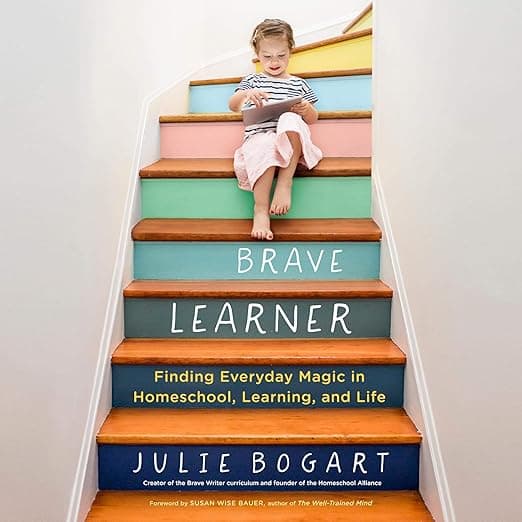
The Brave Learner, Finding Everyday Magic in Homeschool, Learning, and Life
This is the book I wish someone had handed me on day one, it reframes what learning at home really looks like and calms every fear a new homeschool parent carries.
Resources to Explore First
Before you buy a single thing, here are some free resources to help you plan:
- HSLDA's state law page, Look up your specific state's homeschool requirements
- Ambleside Online, A free Charlotte Mason curriculum if you're leaning that direction
- Khan Academy, Free math and science instruction
- Your local library, Talk to a librarian about homeschool resources and programs
- Local Facebook groups, Search for "[Your City/County] Homeschool" and you'll find parents who've navigated exactly what you're facing
Trust the Process
Homeschooling isn't about recreating school at home. It's about creating something entirely different, an education that fits your child, your family, and your values. The learning curve is real, but it's also surprisingly short. Within a few weeks, you'll start to feel the rhythm. Within a few months, you'll wonder why you waited so long.
Start where you are. Use what you have. Trust yourself more than you think you should. And know that there's a whole community of families out here who started exactly where you are and are happy to help.
You've got this, mama.