Perimenopause Symptoms in Your 30s (What No One Tells You)
Perimenopause Symptoms in Your 30s (What No One Tells You). The early signs most women don't recognize, the labs to ask for, and the lifestyle and supplement support that actually helps.

I'm 36 and in early perimenopause. So far the signs have been mild, a few stubborn pounds that won't move, the occasional foggy afternoon, nothing dramatic, but I'm in that quiet window where I'd rather learn what's coming than be blindsided by it. A lot of what I've gathered has also come from women a few years ahead of me, who keep describing the same cluster of newer, stranger symptoms. Periods that suddenly become unpredictable, arriving three weeks early or skipping a month entirely. Waking up at 3 AM for no clear reason. A shorter fuse with people they love. A mental fog that feels like thinking through wet cotton. Many of them go to their OB/GYN, get a few labs run, and are told everything looks "normal for their age." That answer rarely sits right.
The term that keeps coming up in their reading is one most women haven't heard in this context: perimenopause. Not menopause, perimenopause. The transition that can begin as early as the mid-30s and last for years before the final period. The hormonal shifts driving these symptoms are real, documented, and shared by millions of women in their 30s and 40s. This is the guide I wish more of them had been handed before things got confusing.
What Is Perimenopause (And Why Your 30s Aren't Too Early)
Perimenopause literally means "around menopause", it's the transitional phase when your ovaries gradually begin producing less estrogen and progesterone. Most women assume menopause is a sudden event that happens around 50. In reality, the process starts much earlier, with perimenopause typically beginning anywhere from 4 to 10 years before your last menstrual period.
For some women, that means the transition starts in their late 30s. For others, it can begin as early as 35. Genetics play a significant role, if your mother or older sister entered perimenopause early, your chances increase. But it can also be triggered or accelerated by factors like chronic stress, autoimmune conditions, history of smoking, or certain medical treatments.
The key hormonal changes involve estrogen fluctuation (it doesn't just decline steadily, it spikes and dips irregularly), progesterone decline (which affects sleep and mood dramatically), and shifts in FSH (follicle-stimulating hormone) as your ovaries become less responsive. Understanding that this is a biological process, not anxiety, not depression, not "just stress", is the first step to getting the support you actually need.

The Most Common Symptoms No One Warns You About
The classic symptoms of perimenopause that most women know about are hot flashes and night sweats. But those are actually more common in late perimenopause. The early symptoms are much more subtle, and much more likely to be dismissed or misdiagnosed.
What women in this phase consistently describe, and what research confirms is common in early perimenopause:
-
Irregular periods, cycles that become shorter, longer, heavier, lighter, or just unpredictable
-
Sleep disruption, difficulty falling asleep, waking in the early morning hours, unrefreshing sleep
-
Anxiety, often new-onset anxiety or a dramatic worsening of existing anxiety, especially premenstrually
-
Brain fog, difficulty concentrating, word-finding problems, forgetfulness
-
Weight redistribution, particularly around the midsection, even without changes in diet or exercise
-
Dry skin and hair thinning, estrogen supports collagen and moisture retention
-
Mood swings, disproportionate emotional reactivity, particularly in the week before your period
-
Decreased libido, lower testosterone (yes, women produce testosterone) and vaginal dryness
-
Joint pain, estrogen has anti-inflammatory properties; as it declines, joint discomfort increases
The frustrating reality is that many of these symptoms are dismissed as anxiety, depression, or thyroid issues, all of which should be ruled out, but hormonal changes should also be on the table.
How to Talk to Your Doctor About It
One of the most common experiences among women in early perimenopause is going to their doctor, describing these symptoms, and leaving without answers. If that's happened to you, you're not alone, and you're not imagining things.
The key is to advocate for specific lab work. Ask for:
-
FSH (follicle-stimulating hormone), elevated FSH can indicate the ovaries are working harder than usual
-
Estradiol, a primary form of estrogen; levels that are fluctuating or declining can explain many symptoms
-
Progesterone, often drawn on day 21 of your cycle to assess luteal phase function
-
Testosterone (free and total), affects libido, energy, and muscle mass
-
Thyroid panel, thyroid dysfunction mimics perimenopause symptoms, so rule it out
Be aware: a single normal result doesn't mean nothing is happening. Hormone levels fluctuate daily and weekly. If labs look "normal" but symptoms persist, consider seeing a functional medicine doctor or an integrative gynecologist who specializes in hormonal health. They tend to take a broader view and are more likely to discuss lifestyle interventions, bio-identical hormone therapy, and evidence-based supplementation.
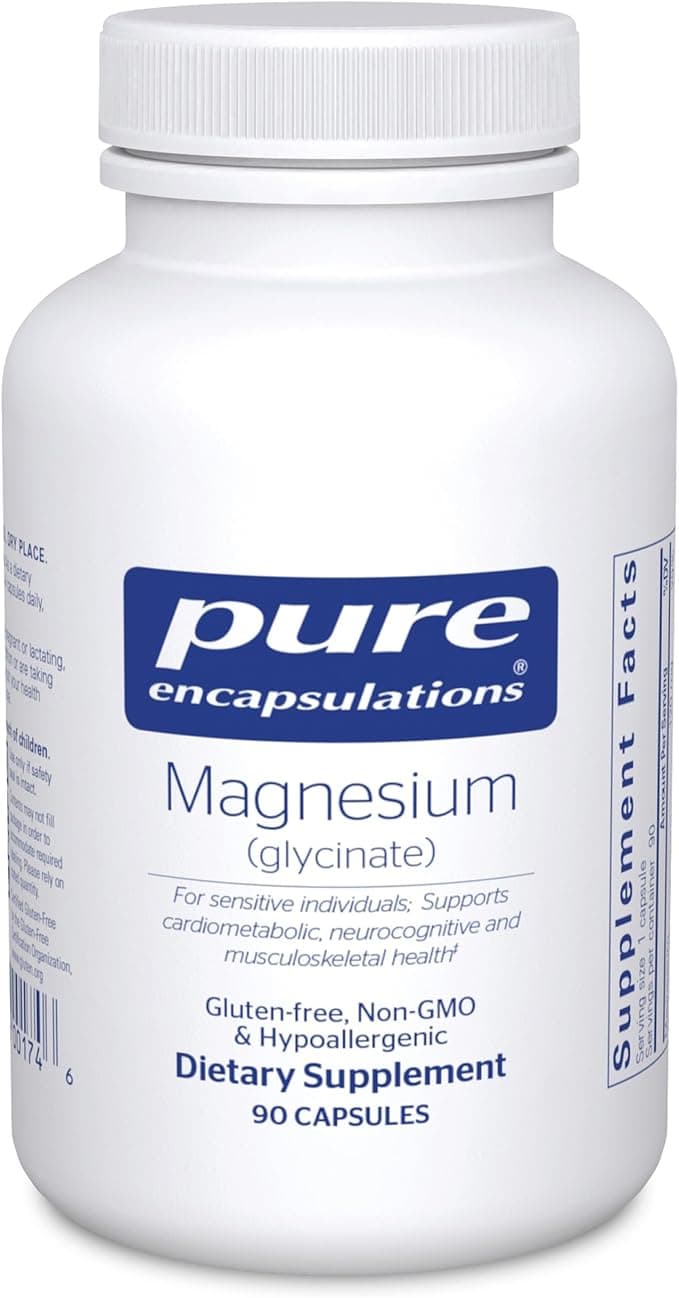
Pure Encapsulations Magnesium Glycinate – Sleep, Muscle Relaxation & Mood Support
One of the best-absorbed forms of magnesium, gentle on the stomach and great for sleep and anxiety relief.

The Role of Nutrition in Hormone Balance
What you eat matters enormously for hormonal health, especially during perimenopause when your body is already under additional stress. The most impactful dietary changes you can make fall into a few key categories.
Phytoestrogens are plant compounds that have a mild estrogen-like effect in the body. Foods like flaxseed, edamame, tempeh, chickpeas, and lentils contain lignans and isoflavones that can help moderate estrogen fluctuations. Two tablespoons of ground flaxseed in a daily smoothie is one of the simplest evidence-backed interventions for perimenopausal symptoms.
Magnesium is deficient in the majority of American women, and the deficiency is made worse by stress. Magnesium supports progesterone production, reduces anxiety, improves sleep quality, and helps with mood regulation. Aim for 300–400mg daily from food (dark leafy greens, nuts, seeds, dark chocolate) and consider supplementing with magnesium glycinate, which is the most bioavailable and gentlest form.
Omega-3 fatty acids reduce systemic inflammation, which worsens nearly every perimenopause symptom. Fatty fish (salmon, mackerel, sardines), walnuts, and flaxseed are excellent sources. Aim for at least two servings of fatty fish per week, or supplement with a high-quality fish oil.
What to reduce: refined sugar raises insulin and cortisol, both of which interfere with hormone balance. Alcohol is a particular problem during perimenopause, it disrupts sleep, raises estrogen levels in some contexts, and depletes B vitamins and magnesium. Even moderate alcohol consumption can significantly worsen symptoms.
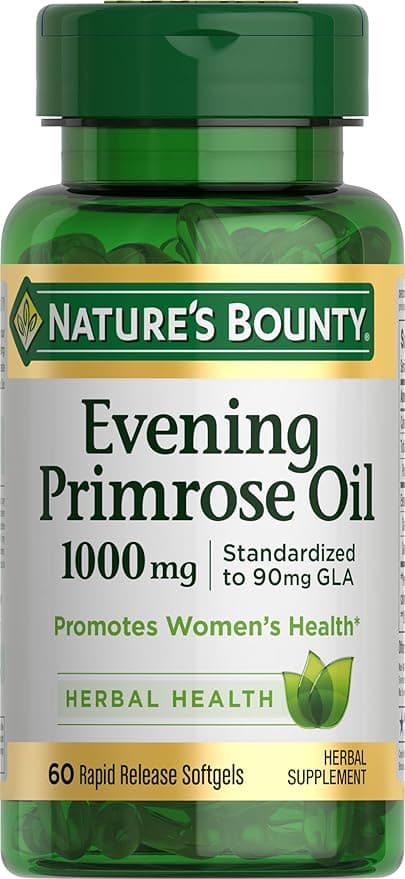
Nature's Bounty Evening Primrose Oil 1000mg, 60 Softgels
Best-seller EPO supplement for hormonal balance and cycle regulation. Cold-pressed, gluten-free.
Supplements That Support Hormonal Health
Worth saying clearly: supplements are not a replacement for medical care or lifestyle changes. But used thoughtfully, several evidence-backed supplements, including the ones I cover in my guide to the best vitamins for women, can meaningfully reduce perimenopausal symptoms.
Magnesium glycinate is the one most women in this phase end up adding first, and for good reason. A typical evening dose of around 400mg has been associated with meaningful improvements in sleep quality and morning anxiety. It's one of the most researched supplements for PMS, anxiety, and sleep, all of which are affected by the progesterone decline of perimenopause.
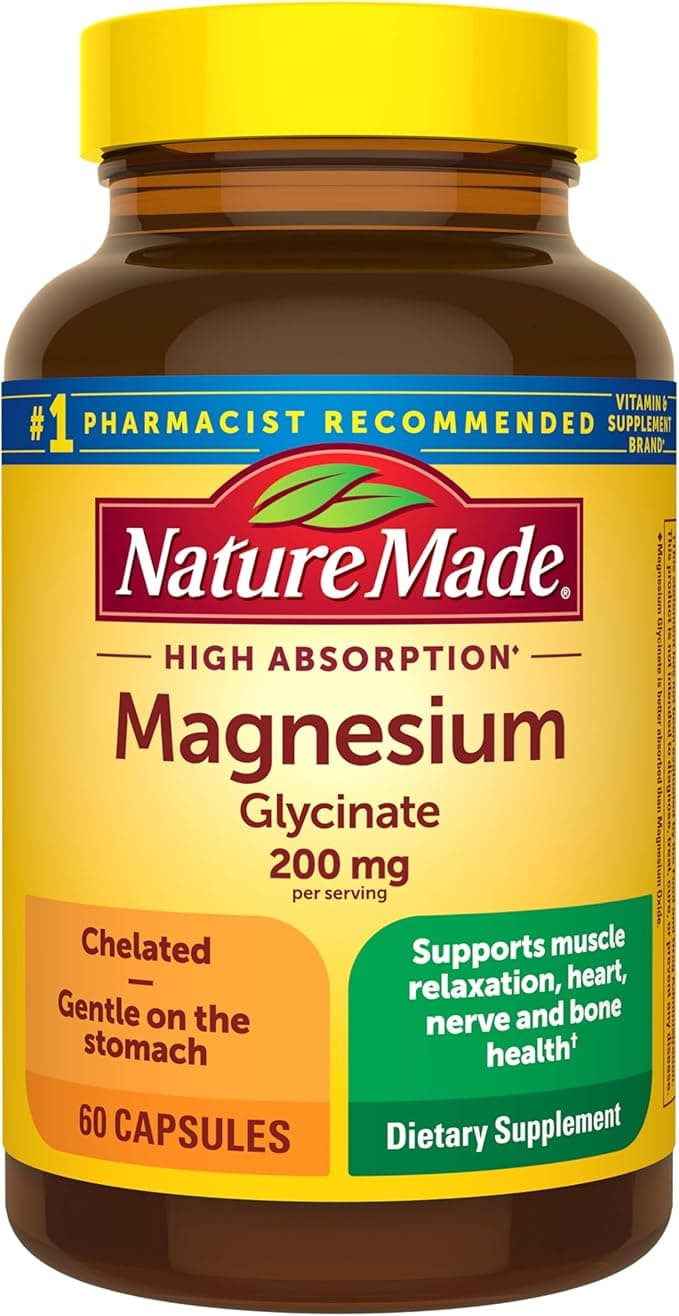
Nature Made Magnesium Glycinate 200mg, 60 Capsules
An affordable, trusted brand for magnesium glycinate. Great for daily use.
Evening primrose oil (EPO) is derived from evening primrose seeds and is rich in gamma-linolenic acid (GLA), an omega-6 fatty acid that supports prostaglandin production. Research suggests it can help with cycle regulation, breast tenderness, and skin hydration. It's typically taken in the second half of the cycle (luteal phase) for the most noticeable effect.
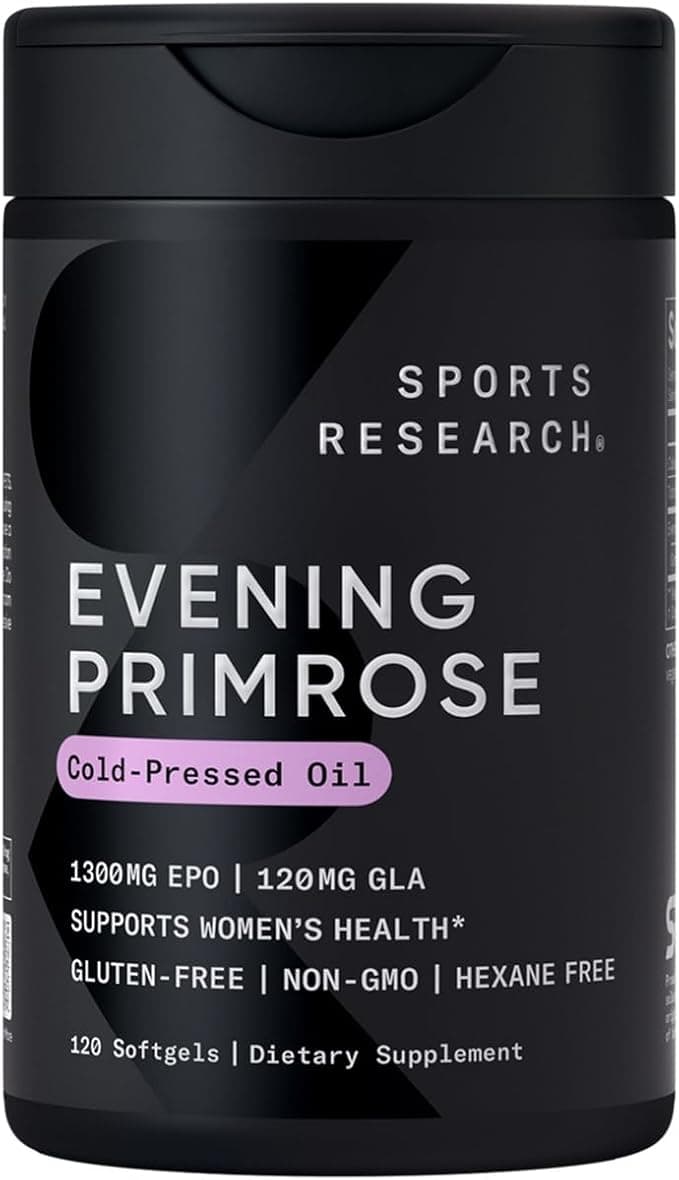
Sports Research Evening Primrose Oil 1300mg, Non-GMO, 120 Softgels
Cold-pressed, high-potency EPO with over 34,000 positive ratings. A popular pick in the perimenopause-support category.
Ashwagandha is an adaptogenic herb that has been shown to reduce cortisol levels, improve thyroid function, and support adrenal health. During perimenopause, chronic cortisol elevation accelerates estrogen dominance and worsens symptoms. Look for KSM-66, which is the most studied extract form with the strongest clinical evidence.
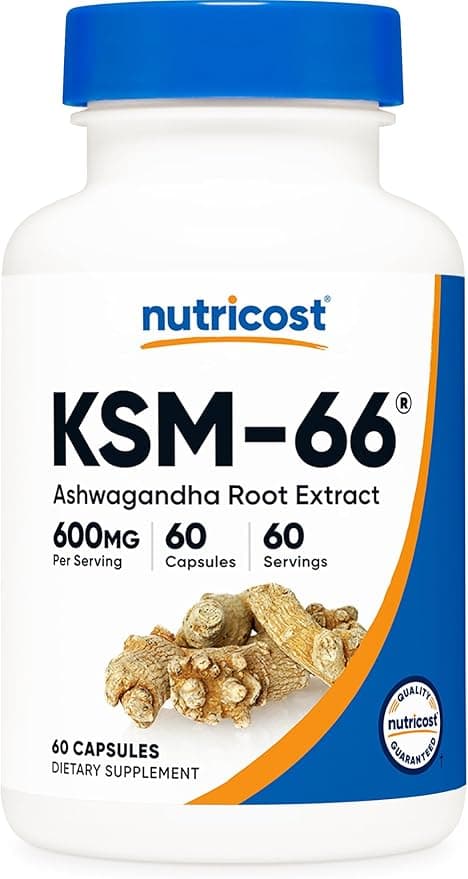
Nutricost KSM-66 Ashwagandha Root Extract 600mg, 60 Veggie Capsules
Clinically studied KSM-66 ashwagandha for cortisol balance and adrenal support. 5% withanolides.
Vitamin D3 + K2 becomes critical during perimenopause because declining estrogen increases bone loss. Vitamin D3 supports calcium absorption and immune function; K2 (specifically MK-7) directs calcium into bones rather than arteries. Get your D levels tested, many women are deficient, and supplement accordingly, typically 2,000 to 5,000 IU of D3 paired with 100mcg of K2.
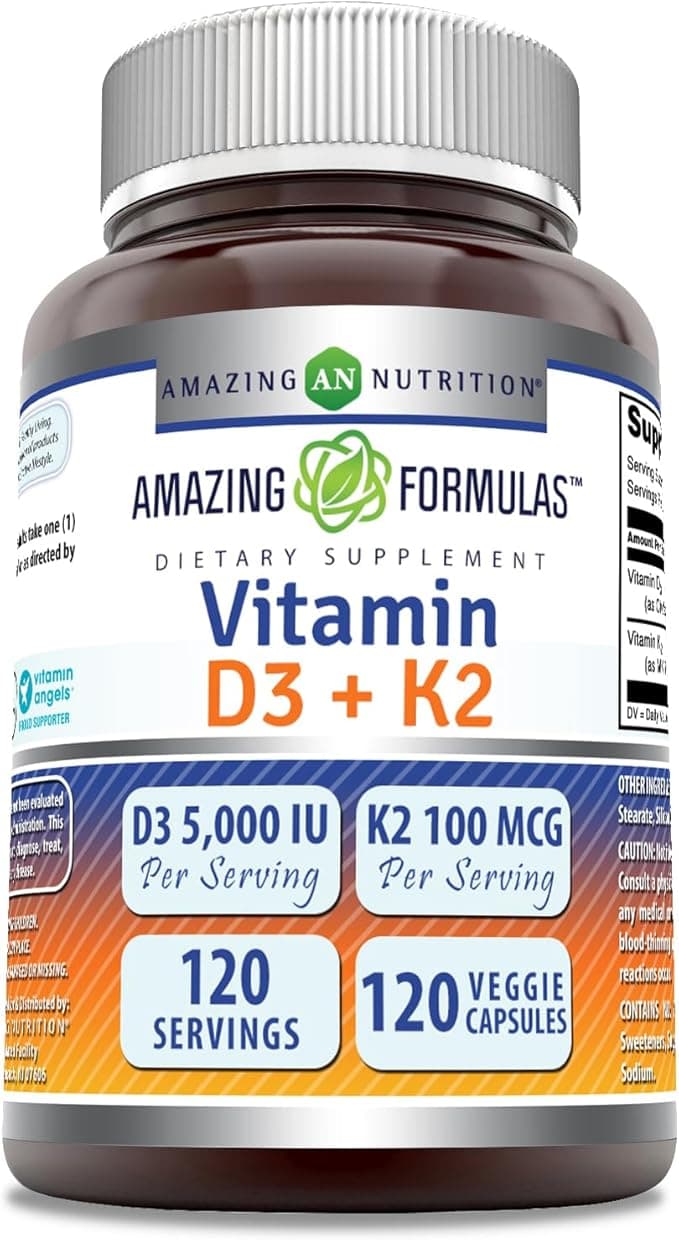
Amazing Formulas Vitamin D3 5000 IU with Vitamin K2 (MK-7) 100mcg
D3 + K2 together for optimal bone health and hormone function, especially important during perimenopause.
Lifestyle Changes That Actually Make a Difference
No supplement can outperform a lifestyle that actively supports hormonal health. The changes that matter most during perimenopause are often the ones that feel hardest to implement, but they're also the ones with the clearest evidence behind them.
Strength training is arguably the most important exercise intervention for perimenopausal women. It preserves bone density (which declines with estrogen loss), builds muscle mass (which helps maintain insulin sensitivity), and supports the production of growth hormone and testosterone. Even two sessions per week of progressive resistance training can make a significant difference. If you've been primarily doing cardio, consider replacing one session per week with weight training.
Prioritizing sleep is not optional, it's medical. If sleep is the struggle, magnesium for sleep is one of the simplest evidence-backed interventions. Poor sleep increases cortisol, which worsens estrogen dominance and brain fog. A consistent sleep schedule (same bedtime and wake time daily, even weekends), a cool bedroom, blocking light and screens before bed, and magnesium glycinate can collectively transform sleep during this phase.
Stress management is another area where women routinely underestimate the impact. Cortisol and estrogen are intimately connected, and when signs your cortisol is too high start showing up, that chronic elevation suppresses progesterone production, which worsens estrogen dominance and amplifies every symptom. Practices like yoga, meditation, breathwork, time in nature, and therapy aren't luxuries. They're legitimate interventions for hormonal health.
Reducing endocrine disruptors is often overlooked but can be meaningful, especially in early perimenopause when the hormonal system is already under stress. Endocrine disruptors are chemicals that interfere with hormone signaling. Common sources include BPA in plastics (especially heated plastic), synthetic fragrances (phthalates), and many conventional personal care products. Switching to fragrance-free products, avoiding heating food in plastic containers, and choosing cleaner personal care products are practical steps worth taking.
Building Your Perimenopause Support Toolkit
What I keep hearing from women a few years ahead of me, and what the research backs up, is that managing perimenopause well requires a layered approach. No single supplement or lifestyle change is a magic bullet. But when consistent sleep, reduced sugar and alcohol, regular strength training, targeted supplementation, and good medical support are stacked together, the cumulative effect is significant.
Tracking symptoms and cycle is also worth the small effort. Apps like Clue, Natural Cycles, or even a simple notes app can help identify patterns, which symptoms are worst in which phase of the cycle, what makes them better or worse, what correlates with good weeks versus hard ones. This information is invaluable both for personal understanding and for any conversations with a healthcare provider.
Consider building your toolkit systematically:
-
Foundation: Magnesium glycinate nightly, vitamin D3+K2 daily, reducing sugar and alcohol
-
Cycle support: Evening primrose oil (luteal phase), B6 if PMS is prominent
-
Stress/adrenal support: Ashwagandha, consistent movement, sleep routine
-
Medical: Lab work (FSH, estradiol, progesterone, thyroid), functional medicine if conventional medicine hasn't helped
Perimenopause is real, and it can start much earlier than most women expect. But with the right information and support, it's also manageable, and in some ways, an invitation to take your health more seriously than ever before.
Frequently Asked Questions
Shop All Recommendations
Pure Encapsulations Magnesium Glycinate – Sleep, Muscle Relaxation & Mood Support
One of the best-absorbed forms of magnesium, gentle on the stomach and great for sleep and anxiety relief.
Nature Made Magnesium Glycinate 200mg, 60 Capsules
An affordable, trusted brand for magnesium glycinate. Great for daily use.
Nature's Bounty Evening Primrose Oil 1000mg, 60 Softgels
Best-seller EPO supplement for hormonal balance and cycle regulation. Cold-pressed, gluten-free.
Sports Research Evening Primrose Oil 1300mg, Non-GMO, 120 Softgels
Cold-pressed, high-potency EPO with over 34,000 positive ratings. A popular pick in the perimenopause-support category.
Nutricost KSM-66 Ashwagandha Root Extract 600mg, 60 Veggie Capsules
Clinically studied KSM-66 ashwagandha for cortisol balance and adrenal support. 5% withanolides.
Amazing Formulas Vitamin D3 5000 IU with Vitamin K2 (MK-7) 100mcg
D3 + K2 together for optimal bone health and hormone function, especially important during perimenopause.