Cycle Syncing Explained: How to Work With Your Hormones
Cycle syncing changed the way I think about my energy, my workouts, and my food, completely.

Cycle syncing changed the way I think about my energy, my workouts, and my food, completely. Before I started paying attention to my hormones, I used to wonder why some weeks I felt unstoppable and other weeks I could barely drag myself to the gym. Why certain days I was sharp and creative, and other days, no matter how much coffee I drank, I was foggy and slow. The answer was hiding in plain sight: my hormones. Instead of fighting how I feel at different points of the month, I started working with it, and the difference was real, significant, and honestly kind of life-changing. Here's everything you need to know to start.
What Is Cycle Syncing?
Cycle syncing is the practice of aligning your food, exercise, work schedule, and social commitments with the four phases of your menstrual cycle. The concept was popularized by Alisa Vitti, author of Woman Code, and has since been supported by a growing body of research on female hormonal rhythms.
Here's the basic premise: unlike men, whose hormones follow a roughly 24-hour cycle, women's hormones follow a 28-to-35-day cycle. Estrogen, progesterone, FSH (follicle-stimulating hormone), and LH (luteinizing hormone) all rise and fall at different points in the month, and those fluctuations directly affect your energy, metabolism, mood, sleep quality, mental clarity, and exercise capacity.
When you understand these patterns, you can stop feeling like your body is working against you and start working strategically with it. You schedule demanding tasks when your energy peaks. You rest when your body is asking for it. You eat foods that support whatever phase you're in. It sounds simple, but the compounding effect over months is remarkable.
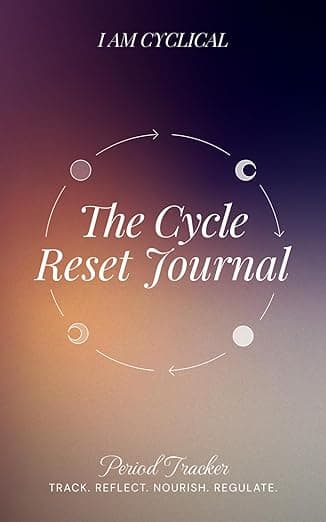
Period Tracker: Mood, Symptom & PMS Journal for Women
A dedicated cycle and symptom tracker designed to help you understand your hormonal patterns.

The Four Phases and What's Happening Hormonally
Before you can sync, you need to understand what's actually happening inside your body each month.
Menstrual Phase (Days 1–5): Estrogen and progesterone are both at their lowest. The uterine lining sheds. This is your body's winter, a time of release and renewal. Energy is low and inflammation is high. Your nervous system is asking for rest, not hustle.
Follicular Phase (Days 6–13): Estrogen begins to rise as your follicles develop. Energy, mood, and motivation start to build. Creativity is high. This is your body's spring, everything is waking up. New projects, new ideas, and challenging workouts feel accessible again.
Ovulatory Phase (Days 14–17): Estrogen peaks, and there's a surge of LH (luteinizing hormone) that triggers ovulation. This is peak energy, peak confidence, and peak verbal and social ability. Your body is literally designed to be seen and heard right now. Make use of it, schedule big presentations, important conversations, and social events during this window.
Luteal Phase (Days 18–28): Progesterone rises and estrogen drops back down. Energy begins to decrease. The body shifts focus inward. PMS symptoms (if they occur) happen in the second half of this phase as progesterone starts to decline. This is your body's autumn, great for detail-oriented tasks, wrapping up projects, and nesting behaviors.
How to Eat for Each Phase
Food is arguably the most powerful lever you have for supporting your hormones. Here's a simple framework for each phase:
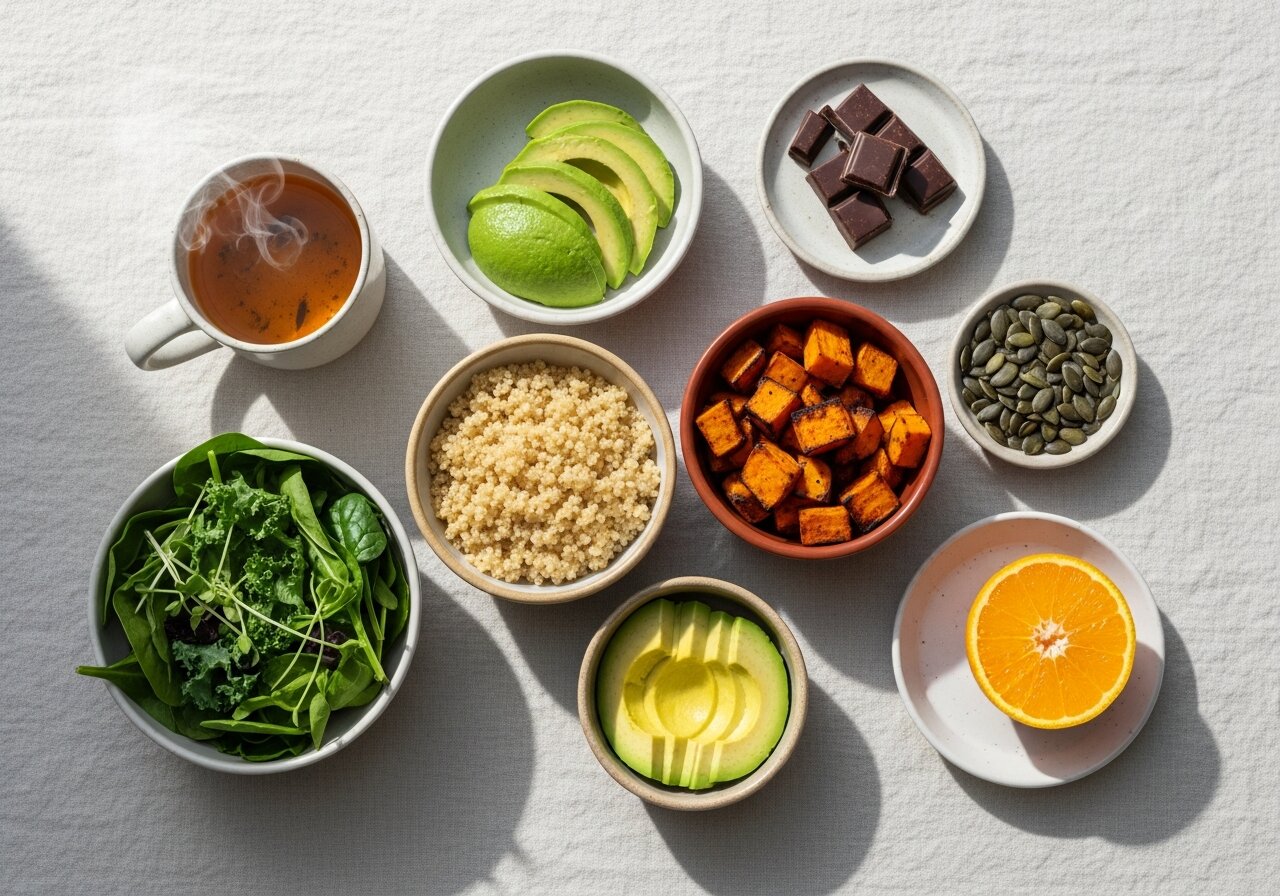
Menstrual: Focus on iron-rich foods to replace what's lost during bleeding, red meat, lentils, spinach, dark chocolate. Prioritize anti-inflammatory foods: salmon, ginger, turmeric, leafy greens. Warm, cooked foods are easier on a system that's already working hard.
Follicular: Lighter foods are ideal here, salads, sprouted grains, fermented foods (kimchi, yogurt, kefir). These support the gut microbiome and estrogen metabolism. Add more variety to your meals; your digestion is at its strongest now.
Ovulatory: Your metabolism is slightly elevated, and your body can handle a wider variety of foods. Prioritize fiber and cruciferous vegetables (broccoli, cauliflower, Brussels sprouts) to help your liver process the estrogen surge. Antioxidant-rich foods (berries, bell peppers, tomatoes) support overall hormone health.
Luteal: Complex carbohydrates become more important here, your body craves them because progesterone affects blood sugar regulation. Sweet potatoes, oats, brown rice, and quinoa all support stable energy. Magnesium-rich foods (dark leafy greens, pumpkin seeds, dark chocolate) help manage PMS symptoms and support progesterone production.
How to Exercise for Each Phase
One of the most practical applications of cycle syncing is modifying your workout intensity based on where you are in your cycle. Ignoring your hormonal rhythms and forcing the same intensity every day is a recipe for burnout, poor recovery, and hormonal disruption, especially for women who already live high-stress lives.
Menstrual: Rest, or move very gently. Gentle yoga, stretching, a slow walk. Your inflammatory markers are elevated and your body is literally shedding tissue. Hard training adds cortisol to an already-stressed system, and if you're already showing signs your cortisol is too high, this is especially important. Give yourself permission to rest.
Follicular: This is the time to ramp up. Rising estrogen improves strength, endurance, and recovery capacity. Try new workouts, increase intensity, push your limits a little. HIIT, cardio intervals, strength training, all of it feels better in this phase.
Ovulatory: Peak performance window. Your pain tolerance is higher, your strength is at its monthly max, and your coordination is better. Schedule your most challenging training sessions here, PR attempts, competitive events, long runs, heavy lift days.
Luteal: Dial it back. Moderate strength training, pilates, hiking, barre, yoga. Higher-intensity work is fine in the early luteal phase, but as you approach your period, your body will recover more slowly and demand more rest. Listen to it, pushing hard in late luteal often leads to injury or immune suppression.
Work and Social Energy by Phase
Cycle syncing isn't just for the gym, it applies to your professional and social life too, and this is where many people find it most transformative.
Follicular and Ovulatory: Schedule your biggest, most demanding commitments here. Job interviews, big presentations, networking events, creative brainstorming sessions, difficult conversations you've been avoiding. Your verbal fluency is highest during ovulation, you'll be more articulate, persuasive, and socially warm during this window.
Luteal: Excellent for detail-oriented work, administrative tasks, editing, financial reviews, and project completion. Your brain has a heightened ability to spot errors and think critically. Use this phase to wrap up loose ends rather than start new initiatives.
Menstrual: Minimize commitments where possible. This is a time for reflection, journaling, dreaming about new directions, and letting go of what isn't working. Many creative breakthroughs come during the menstrual phase, just not the kind that require a lot of external output.
Supplements to Support Each Phase
Food first, always, but supplements can meaningfully support your cycle when used strategically. If you're not sure where to start, my guide to the best vitamins for women covers the essentials. Here's what I recommend for each phase:
Menstrual: Iron (especially if you have heavy periods), omega-3 fatty acids to reduce inflammation, and magnesium to ease cramping and support sleep.
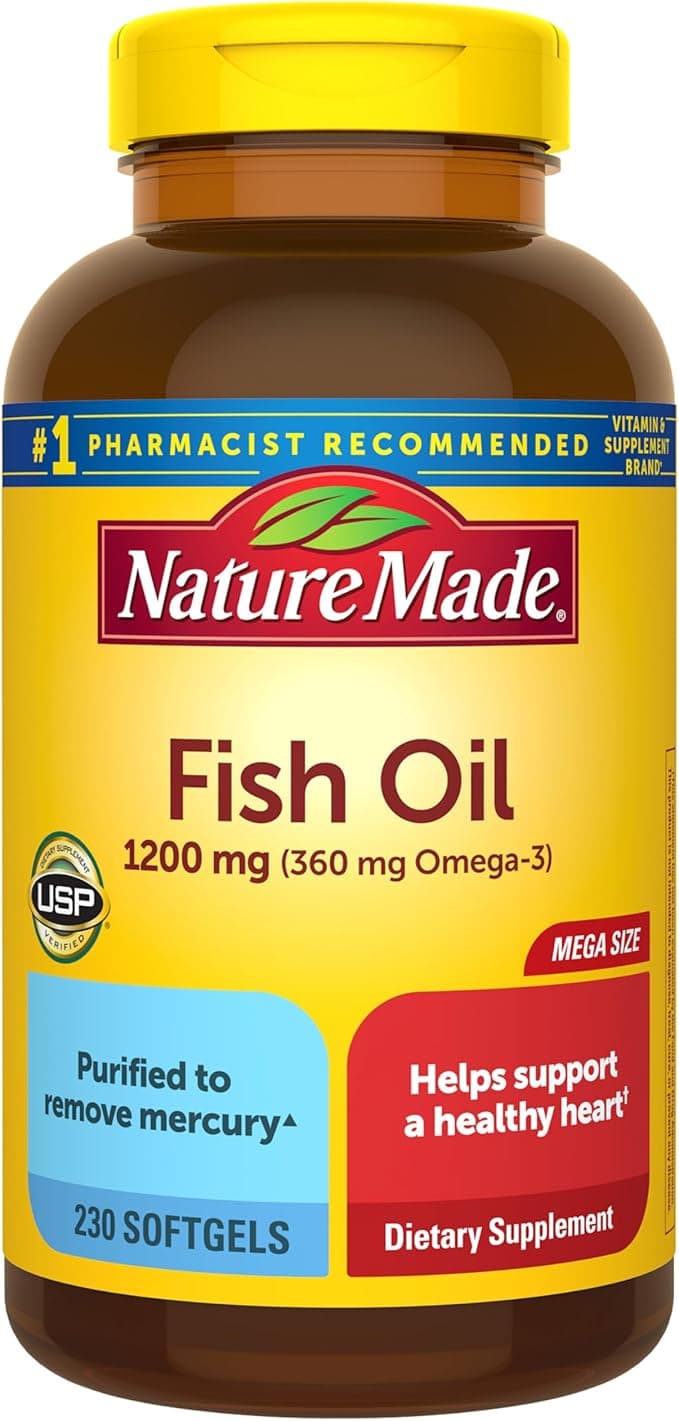
Nature Made Fish Oil Omega-3 1200mg, Heart, Brain & Hormone Support
Clinical-grade omega-3 fatty acids to support anti-inflammatory processes throughout your cycle.
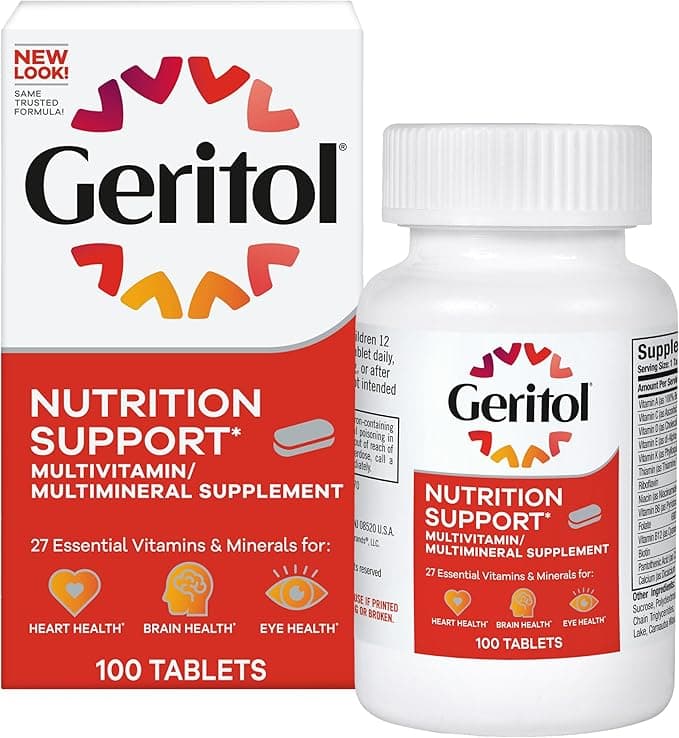
Geritol Multivitamin with Iron, Comprehensive Daily Vitamin with B Vitamins
Iron-rich multivitamin to replenish what's lost during your menstrual phase.
Follicular: B vitamins to support energy production and estrogen metabolism, and probiotics to support the gut-hormone axis. A good B complex is foundational for anyone who menstruates.
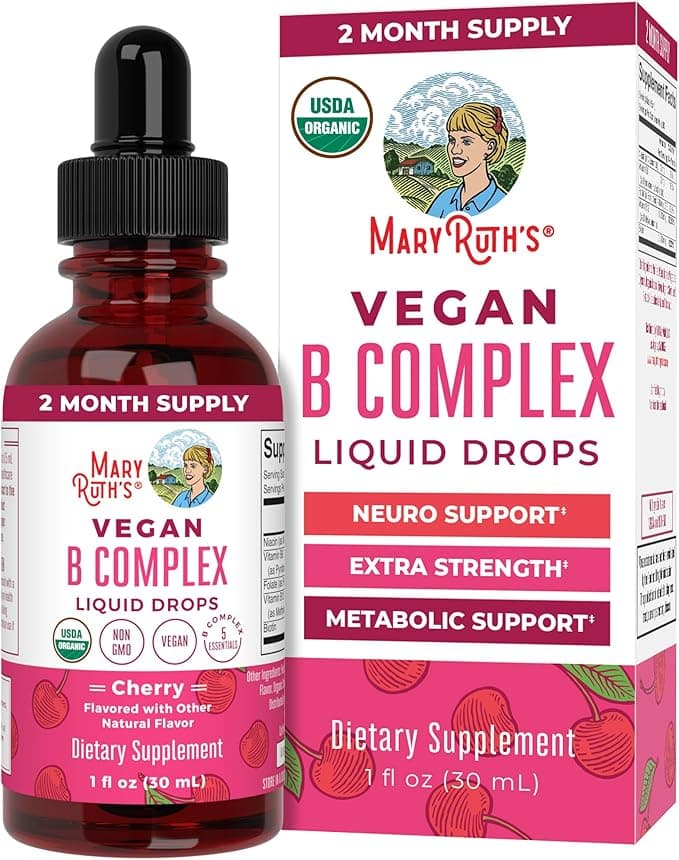
MaryRuth Organics Vitamin B Complex, B12, Biotin, Niacin, B6, B5
A comprehensive B vitamin complex specifically formulated to support women's energy and hormone health.
Luteal: Magnesium glycinate (the most absorbable form) helps with PMS, mood, sleep, and progesterone support. Evening primrose oil provides GLA (gamma-linolenic acid), which supports hormone balance and reduces breast tenderness and inflammation in the luteal phase.
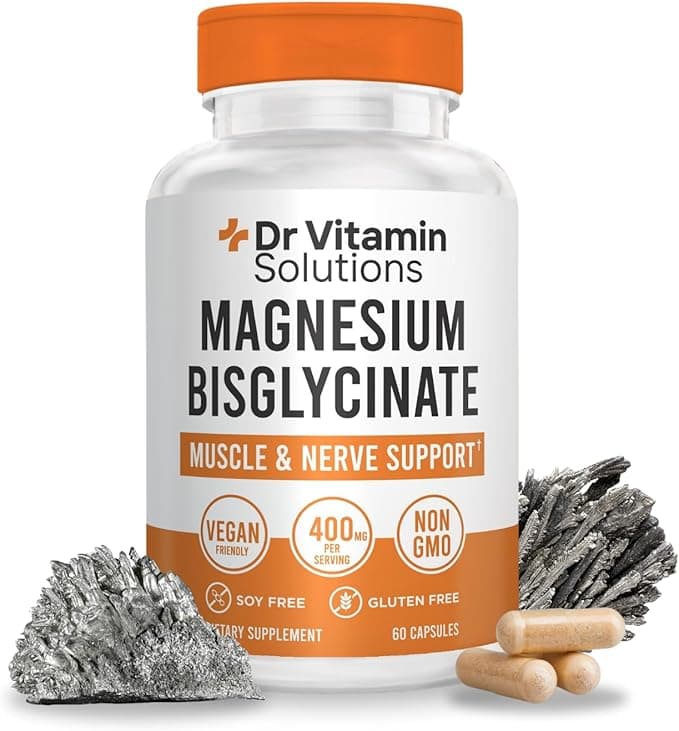
Magnesium Glycinate 400mg, Buffered Chelated Magnesium Supplement
The most absorbable form of magnesium for sleep, stress, and PMS support.
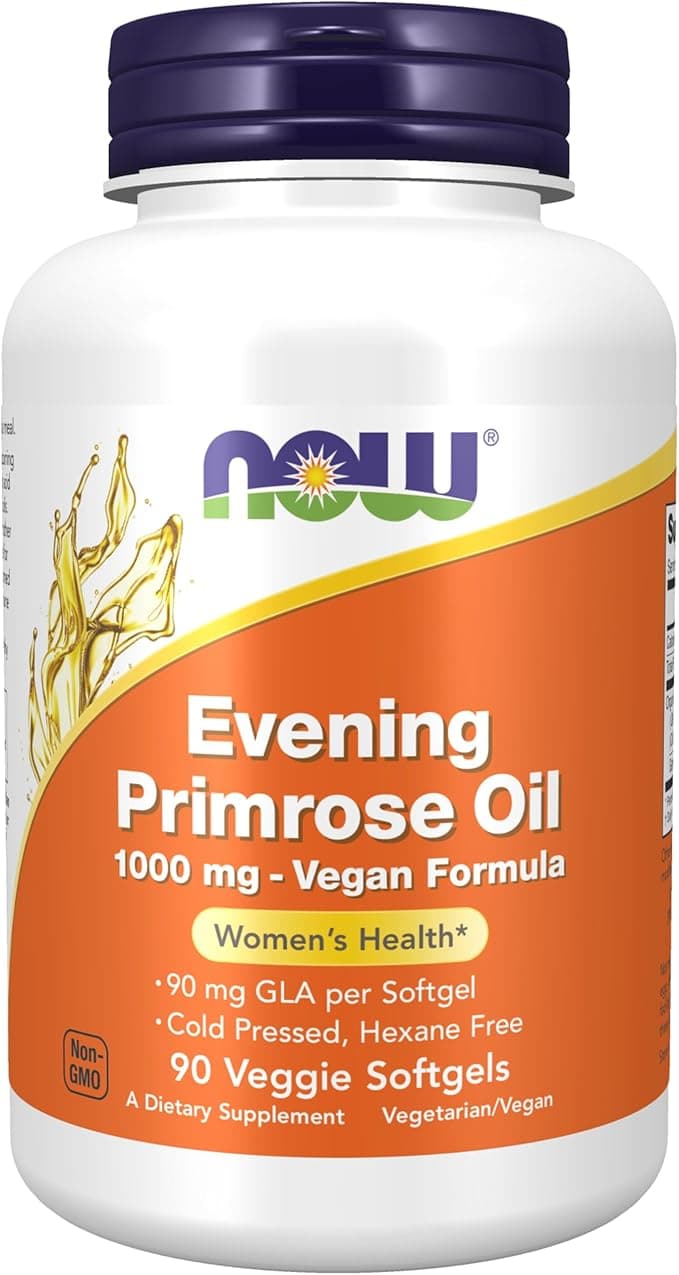
NOW Foods Evening Primrose Oil 1000mg, Cold Pressed, Hexane Free
A staple for luteal phase support, helps with breast tenderness, mood, and hormone balance.
Getting Started With Cycle Syncing
The most common mistake people make is trying to do everything at once. Don't. Cycle syncing is a practice you build over time, not a program you follow perfectly from day one.
Start with tracking. For two to three months, write down how you feel each day, energy, mood, hunger, motivation, sleep quality. Note where you are in your cycle. Patterns will emerge. You'll start to see that you always feel anxious in the late luteal phase, or that you always crave carbs around day 22, or that you have your best workouts around ovulation. Your data tells your story.
Once you understand your patterns, make one small adjustment per phase. Start with food. In your next menstrual phase, just try to eat more iron-rich and anti-inflammatory foods. See how you feel. In your next follicular phase, try adding a B vitamin complex. Build from there.
The goal isn't perfection, it's awareness. Even 20% better alignment between how you're living and what your body needs will have a noticeable effect on your energy, mood, and hormonal health over time.
Frequently Asked Questions
Shop All Recommendations
Everything I mentioned in one place for easy reference:
Period Tracker: Mood, Symptom & PMS Journal for Women
A dedicated cycle and symptom tracker designed to help you understand your hormonal patterns.
Magnesium Glycinate 400mg, Buffered Chelated Magnesium Supplement
The most absorbable form of magnesium for sleep, stress, and PMS support.
MaryRuth Organics Vitamin B Complex, B12, Biotin, Niacin, B6, B5
A comprehensive B vitamin complex specifically formulated to support women's energy and hormone health.
NOW Foods Evening Primrose Oil 1000mg, Cold Pressed, Hexane Free
A staple for luteal phase support, helps with breast tenderness, mood, and hormone balance.
Nature Made Fish Oil Omega-3 1200mg, Heart, Brain & Hormone Support
Clinical-grade omega-3 fatty acids to support anti-inflammatory processes throughout your cycle.
Geritol Multivitamin with Iron, Comprehensive Daily Vitamin with B Vitamins
Iron-rich multivitamin to replenish what's lost during your menstrual phase.