Postpartum Recovery: The Honest Guide Nobody Gives You
An honest guide to postpartum recovery, the physical timeline, pelvic floor, nutrition, mental health, and the things nobody warns you about.
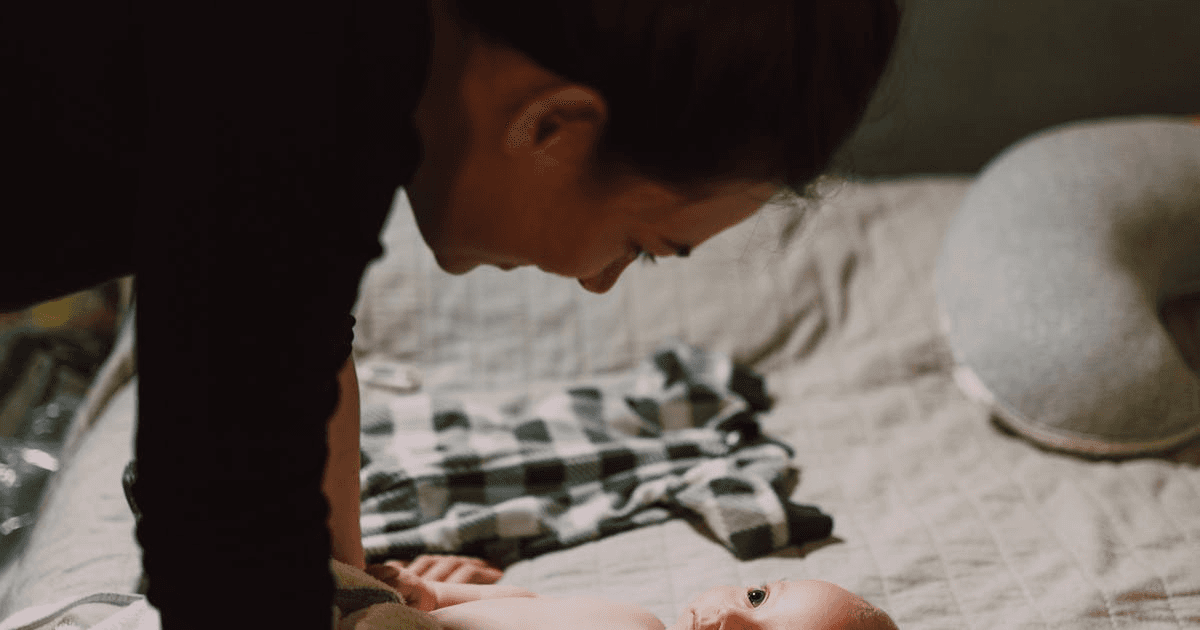
I want to be honest about something: I was not prepared for postpartum recovery. I'd read the pregnancy books. I'd taken the classes. I'd prepared the nursery, packed the hospital bag, and written a birth plan. But nobody, not my OB, not the books, not my experienced-mom friends, adequately prepared me for what the weeks and months after birth would actually be like, physically and emotionally. The cultural narrative is so focused on the baby that the mother's recovery gets reduced to "take it easy for six weeks and then you're cleared for everything." That's dangerously oversimplified.

This post is the guide I needed. It's not going to sugarcoat anything. It's going to cover the real physical recovery timeline, the pelvic floor conversation nobody has, the nutrition that actually supports healing, the mental health reality, and the things you deserve to know before you're in the thick of it.
The Real Physical Recovery Timeline
The six-week postpartum checkup has become this arbitrary finish line in our culture, as if your body goes through one of the most physically demanding events of your life and then resets in 42 days. That's not how it works.
The first two weeks are about immediate healing. If you delivered vaginally, you may be managing perineal tears or an episiotomy, significant bleeding (lochia), uterine cramping as your uterus contracts back to size (after-pains, which are often worse with second and subsequent babies), hemorrhoids, and general exhaustion. If you had a C-section, you're recovering from major abdominal surgery, the incision, the pain, the difficulty moving, coughing, laughing, or lifting.
During this time, your job is to rest, feed yourself and your baby, and let people help you. I know how hard that last part is. But your body just performed something extraordinary, and it needs resources to heal. A postpartum recovery kit with perineal foam, ice pads, and a peri bottle is genuinely worth packing in your hospital bag.
Weeks two through six see gradual improvement. Bleeding tapers off. Energy slowly starts to return, though it remains far below pre-pregnancy levels. Hormonal shifts are significant during this period, estrogen and progesterone, which were at extraordinarily high levels during pregnancy, crash dramatically after delivery. This hormonal drop is one of the driving factors behind the "baby blues" and more significant postpartum mood disorders.
Six weeks to three months is when most women start to feel more like themselves, but "cleared for exercise" at six weeks doesn't mean your body is back to baseline. Your abdominal muscles may still be separated (diastasis recti), your pelvic floor is still recovering, your joints are still affected by relaxin, and your core stability is significantly reduced compared to pre-pregnancy. Returning to exercise should be gradual, progressive, and ideally guided by someone who understands postpartum bodies.
Three to twelve months is the period that gets almost no attention, but it's when true recovery happens. Connective tissue takes months to rebuild. Muscle strength and coordination take time to restore. Hormonal fluctuations continue, especially if you're breastfeeding, which suppresses estrogen and can cause its own set of symptoms including vaginal dryness, low libido, joint pain, and mood changes. Full physical recovery from pregnancy and birth takes 12–18 months for most women, and that's not a failure. That's biology.
Your Pelvic Floor Needs Real Attention
I wrote a full guide on pelvic floor health because this topic deserves its own deep dive, but I want to address it specifically in the postpartum context because it's consistently underserved.
Regardless of how you delivered, vaginal or C-section, your pelvic floor was affected. During pregnancy, it supported the growing weight of your baby, placenta, and amniotic fluid for months. During vaginal delivery, it stretched dramatically. During C-section, the abdominal surgery affects the entire core system that your pelvic floor is part of.
Signs of pelvic floor dysfunction postpartum include leaking urine when you cough, sneeze, or exercise, a feeling of heaviness or pressure in the pelvis, pain during sex (especially at the six-week mark when many women are told they're ready), difficulty with bowel movements, and lower back pain that doesn't resolve.
Here's what I wish someone had told me: leaking after birth is common, but it is not normal in the sense that you should just accept it. It's treatable. A pelvic floor physical therapist can assess what's happening and give you a targeted recovery plan. I'd recommend every postpartum woman see a pelvic floor PT around 6–8 weeks, regardless of symptoms. Think of it like physical therapy after knee surgery, your pelvic floor went through something significant and deserves the same level of rehabilitation attention.
And please, don't just do kegels and hope for the best. As I discuss in my pelvic floor guide, kegels are only appropriate if your pelvic floor is weak. If it's tight (which is common after birth, especially if there was trauma or tearing), kegels can actually make things worse. Get assessed first.
Postpartum Nutrition, Feeding Your Recovery
The postpartum period is one of the most nutritionally demanding times in a woman's life. You're healing from birth, potentially breastfeeding (which requires an additional 300–500 calories per day), severely sleep-deprived, and depleted of key nutrients after pregnancy. This is not the time to think about "getting your body back." This is the time to feed yourself like the recovering athlete you are.
Protein: Essential for tissue repair, milk production, and maintaining muscle mass. Aim for at least 80–100 grams per day. Eggs, Greek yogurt, chicken, fish, legumes, and protein shakes are all practical options when you're surviving on minimal sleep and maximum baby demands.
Iron: You likely lost iron during delivery, regardless of method. Postpartum iron deficiency is one of the most common and most underdiagnosed contributors to postpartum fatigue, brain fog, and mood changes. If you're feeling more exhausted than seems reasonable, ask for a ferritin test. I covered this in detail in my post on iron deficiency signs.
Omega-3 fatty acids: DHA in particular supports both your brain health and your baby's brain development (if breastfeeding). Pregnancy and breastfeeding deplete maternal DHA stores, and low DHA has been linked to postpartum depression in research. Fatty fish, fish oil, or algae-based supplements are important.
Vitamin D: Deficiency is common postpartum and is associated with increased risk of postpartum depression. Get tested and supplement as needed.
Hydration: Especially if breastfeeding. You need significantly more fluid than usual. Keep water accessible at every feeding station in your house.
Magnesium: Supports muscle recovery, sleep quality, mood regulation, and over 300 enzymatic processes. Pregnancy and breastfeeding deplete magnesium stores. Supplementing with magnesium glycinate postpartum is one of the simplest, highest-impact things you can do.
Probiotics: Your gut microbiome influences mood, immune function, and nutrient absorption, all of which matter enormously postpartum. Antibiotic use during delivery (common with C-sections and GBS-positive moms) can further disrupt gut bacteria. A quality probiotic can help rebuild. Check out my recommendations for best probiotics for women.
Practical reality: You probably won't have time or energy to cook elaborate meals. Stock your freezer before delivery, accept every meal that's offered, keep simple high-protein snacks within arm's reach (hard-boiled eggs, nut butter packets, cheese sticks, protein bars, trail mix), and let go of the idea that you need to eat perfectly. Eating enough nutrient-dense food, even if it's imperfect, is what matters.
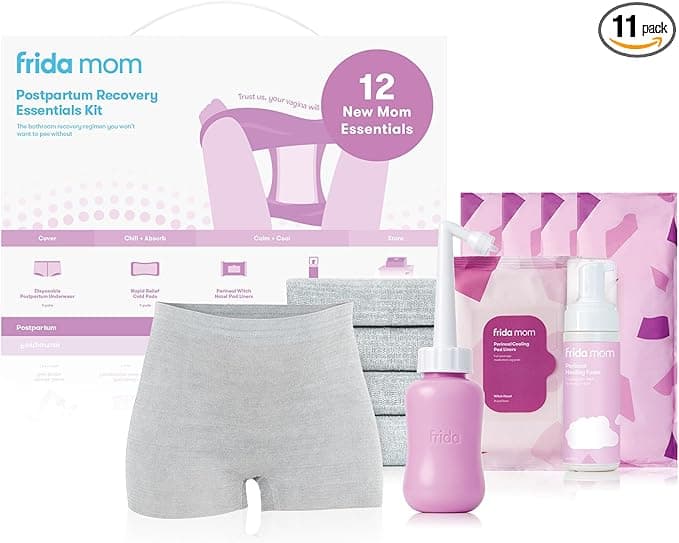
Frida Mom Postpartum Recovery Essentials Kit, Hospital Bag Must-Have
An all-in-one postpartum recovery kit that includes everything you actually need for those first brutal weeks: perineal foam, disposable underwear, ice maxi pads, and a peri bottle.
Postpartum Mental Health, Beyond the Baby Blues
Here's the part we really need to talk about more openly.
Baby blues affect up to 80% of new mothers. They typically begin within the first few days after delivery and include weepiness, mood swings, irritability, and feeling overwhelmed. They're driven by the massive hormonal shift after birth and usually resolve within two weeks.
Postpartum depression (PPD) is different, it's more persistent, more intense, and it interferes with your ability to function and bond with your baby. Symptoms include persistent sadness or emptiness, loss of interest in things you used to enjoy, difficulty bonding with your baby, excessive guilt or feelings of worthlessness, severe fatigue beyond normal new-parent tired, changes in appetite and sleep (beyond what the baby demands), anxiety or panic attacks, and in severe cases, intrusive thoughts about harming yourself or your baby.
PPD affects approximately 1 in 7 women, which means it's not rare, and the real numbers are likely higher because many women don't report symptoms out of shame, guilt, or the belief that they should be able to handle it.
Postpartum anxiety is talked about even less than PPD but may be just as common. It involves constant worry (often about the baby's safety or health), racing thoughts, difficulty sitting still, physical symptoms like a tight chest or stomach, hypervigilance, and difficulty sleeping even when the baby is sleeping.
Postpartum rage is the one almost nobody warns you about. Sudden, disproportionate anger, snapping over small things, feeling a surge of rage that scares you, wanting to scream or throw something. This is a real symptom of postpartum mood disorders, often related to sleep deprivation combined with hormonal shifts, and it is not a character failure.
If any of this resonates, please reach out for help. Talk to your partner, a trusted friend, or your healthcare provider. The Postpartum Support International helpline (1-800-944-4773) offers free, confidential support. You can also text "HELP" to 988 (the Suicide and Crisis Lifeline) if you're in crisis.
Postpartum mood disorders are treatable. Therapy, medication, lifestyle support, and time all help. The bravest thing you can do is say "I'm not okay" and accept support.
Returning to Exercise, The Smart Way
The "cleared for exercise at six weeks" guideline needs serious nuance. Being cleared doesn't mean your body is ready for what you were doing before pregnancy. A graduated approach protects your pelvic floor, core, and joints while rebuilding strength safely.
Weeks 1–6: Walking is your primary exercise. Start with short, easy walks and gradually increase distance as you feel ready. Focus on diaphragmatic breathing, this is the foundation of pelvic floor and core recovery. Gentle pelvic floor awareness exercises (not aggressive kegels) can begin once your provider or pelvic floor PT gives the green light.
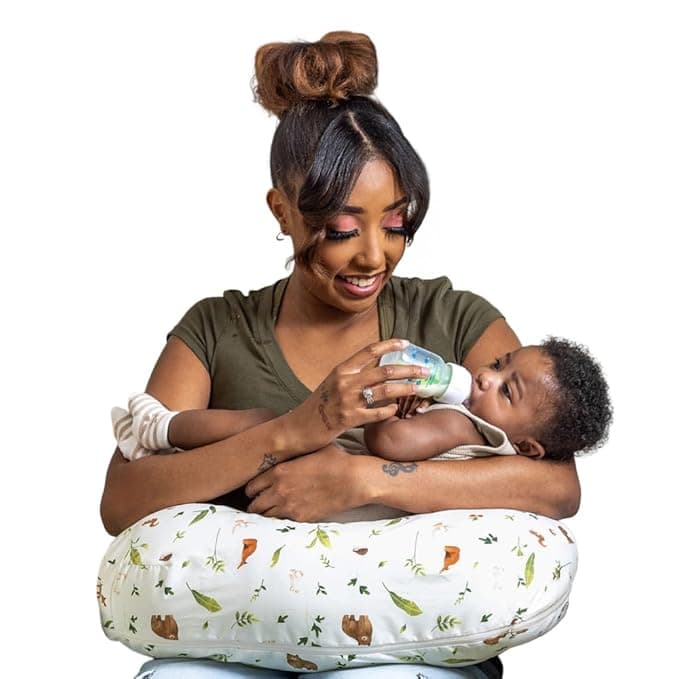
Boppy Original Nursing Pillow, Versatile Breastfeeding and Bonding Support
A firm, wraparound nursing pillow that supports your baby during feeding while taking the strain off your arms, shoulders, and back during those endless early postpartum nursing sessions.
Weeks 6–12: After clearance (ideally from a pelvic floor PT, not just a standard OB checkup), begin gentle core rehabilitation exercises that address diastasis recti and deep core coordination. Bodyweight exercises like modified squats, bridges, and bird-dogs are appropriate. Walking can increase in duration and pace.
Months 3–6: Gradual return to resistance training with light weights, focusing on form and core stability. Low-impact cardio (swimming, cycling, elliptical) if it feels comfortable. Continue avoiding high-impact activities (running, jumping) until your pelvic floor PT confirms readiness, return to impact too early is one of the most common causes of persistent postpartum incontinence.
Months 6–12: Progressive return to your full exercise routine, including higher-intensity training if desired. Listen to your body, watch for pelvic floor symptoms (leaking, heaviness, pain), and continue scaling gradually.
The key principle: if an exercise causes leaking, pressure, pain, or a feeling of bearing down, it's too much for where your body is right now. That doesn't mean you'll never do it again, it means your body needs more time and targeted rehab before it's ready.
When to Get Help, And Who to Call
Knowing when something crosses from normal postpartum adjustment to "I need professional support" can be hard when everything feels overwhelming. Here are some clear signals.
Call your OB or midwife if: you have a fever above 100.4, foul-smelling vaginal discharge, sudden heavy bleeding (soaking through a pad in an hour), severe pain at your incision or tear site, redness or warmth around an incision, difficulty breathing, or calf pain and swelling.
See a pelvic floor PT if: you're leaking urine, have pelvic pressure or heaviness, sex is painful (even months postpartum), or you have persistent lower back or hip pain. I recommend this for every postpartum woman, not just those with symptoms.
Reach out for mental health support if: the baby blues haven't resolved after two weeks, you're experiencing symptoms of postpartum depression or anxiety (described above), you're having intrusive thoughts, you feel disconnected from your baby, or you just feel like something isn't right. Trust that instinct.
Resources: Postpartum Support International (1-800-944-4773 or text "HELP" to 800-944-4773), the 988 Suicide and Crisis Lifeline (call or text 988), and your OB or midwife's on-call line. You are not bothering anyone by reaching out.
What Nobody Tells You
A few things I wish someone had said out loud to me.
Your identity shifts, and that's disorienting. Becoming a mother doesn't erase who you were before. But it does change your daily reality so dramatically that it can feel like a loss, even when you love your baby fiercely. Grieving your pre-baby freedom, identity, or relationship dynamic is not ungrateful. It's honest.
Recovery is not linear. You'll have good days and terrible days. You'll feel like yourself one afternoon and completely unrecognizable the next morning. This is normal.
Your relationship will be stressed. Sleep deprivation, role changes, different parenting instincts, and reduced intimacy are a real pressure cooker. Communicate, even when it's hard. Accept that this season is challenging and give each other grace.
Hormonal changes continue for months. Even after the initial postpartum crash, your hormones will fluctuate, especially if you're breastfeeding. Return of your period after breastfeeding can bring its own hormonal adjustment. Be patient with your body as it finds its new equilibrium.
Breastfeeding is hard. If it works for you and your baby, wonderful. If it doesn't, for any reason, your baby will be fine and so will you. The pressure around breastfeeding can be immense, and it's one of the most common sources of guilt and anxiety for new moms. Fed is best, and your mental health matters too.
Your body did something extraordinary. Whatever it looks like right now, whatever it feels like, it grew and delivered a human being. That deserves respect, not criticism. The cultural obsession with "bouncing back" is toxic and ignores the reality of what your body has been through. Recovery is the priority. Appearance is the last thing that matters.
Comparison is poison. Social media postpartum is curated, filtered, and misleading. The woman who "bounced back" at four weeks is not the standard. Your recovery is your recovery.
Asking for help is not weakness. It's the most practical thing you can do. Accept the meals. Let someone hold the baby while you shower. Hire a postpartum doula if you can. Tell your partner specifically what you need, they genuinely may not know.
You will not feel this way forever. The fog lifts. The exhaustion eases. The hormones stabilize. You'll find a rhythm. It doesn't always feel like it in the thick of it, but the postpartum period is a season, and seasons change.
The good moments are real too. This post has focused on the hard parts because those are the parts nobody talks about enough. But the good moments, the first real smile, the weight of a sleeping baby on your chest, the fierce love that surprises you with its intensity, those are real and they're worth all of it. You can hold both truths at once: this is the hardest thing you've done, and this is the most meaningful thing you've done.
You will get through this. Not by white-knuckling it alone, but by being informed, being honest about how you feel, and letting people support you. Postpartum recovery is temporary, but how you navigate it matters. Be as kind to yourself as you would be to your best friend in the same situation.