Best Homeschool Supplies on Amazon (Our Favorites)
The best homeschool supplies on Amazon, from whiteboards to art supplies to math manipulatives. Mom-tested picks for every learning space.
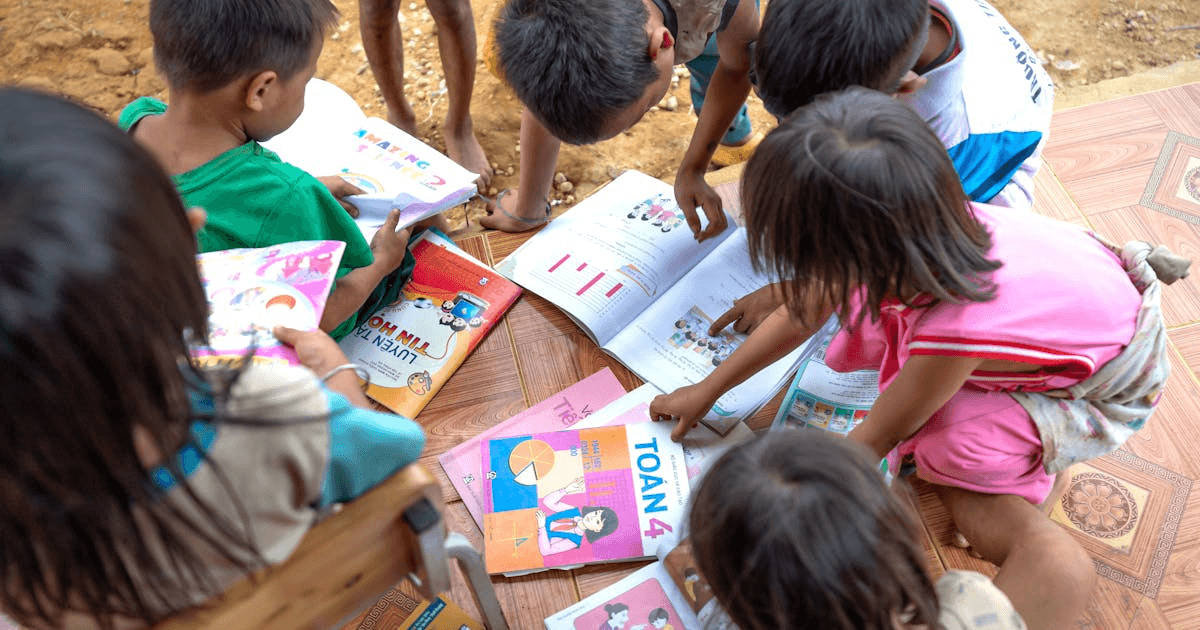
After a couple of years of homeschooling, you start to figure out what you actually use every day versus what looked great in the Amazon cart but hasn't left the shelf. I've bought my share of both. The globe that became a hat? Not my finest moment. The laminator that changed our entire homeschool experience? Best $35 I ever spent. This post is the stuff that's earned its place in our daily routine, the supplies that get used, get loved, and that I'd buy again in a heartbeat. Nothing fancy. Nothing gimmicky. Just solid, practical tools that make homeschooling smoother.
The Supplies That Actually Matter
Before I get into specific products, here's my general philosophy on homeschool supplies: buy less than you think you need and upgrade only when you've identified a real need. The Pinterest-worthy homeschool room with matching everything looks beautiful, but you don't need it to educate well. You need a few reliable tools and a lot of good books.
I also want to be clear: these aren't paid endorsements. These are things I bought with my own money, used with my own kids, and am recommending because they genuinely made our homeschool life easier. Some of them aren't glamorous. Nobody is posting their pencil sharpener on Instagram. But the right pencil sharpener can be the difference between a smooth morning and a meltdown (the kid's or yours).
That said, certain supplies genuinely do make a difference in how your day flows. These are the ones.
Our Favorite Picks
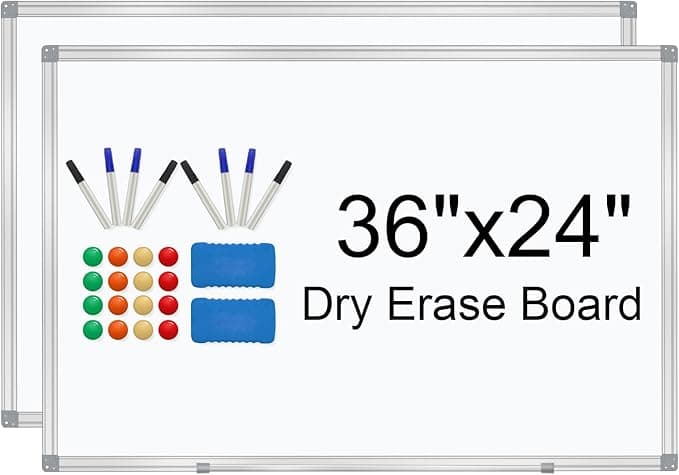
Magnetic Dry Erase Whiteboard (36 x 24 inches)
This is the single most-used item in our homeschool. We use it for math problems, spelling practice, grammar diagrams, drawing, planning our week, and just about everything else. A big whiteboard saves so much paper and makes practice feel less intimidating than a worksheet, if you get it wrong, you just erase and try again. This one is magnetic too, so we hang maps, charts, and flash cards on it. Get the biggest one your wall can handle.
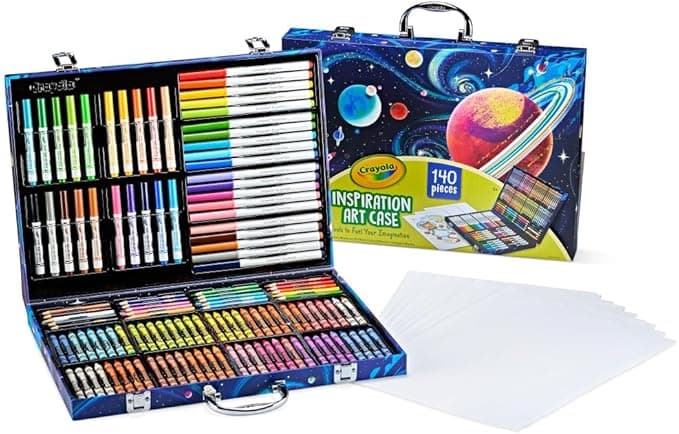
Crayola Inspiration Art Case (140 Pieces)
I know, Crayola, not exactly groundbreaking. But this art case has been worth its weight in gold. It has crayons, colored pencils, markers, and paper all in one portable case. My kids grab it for nature journaling, art projects, map coloring, and free drawing time. The case keeps everything organized (mostly) and it's sturdy enough to survive daily use. We're on our second one only because the first one got so much love over two years that the hinges finally gave up.
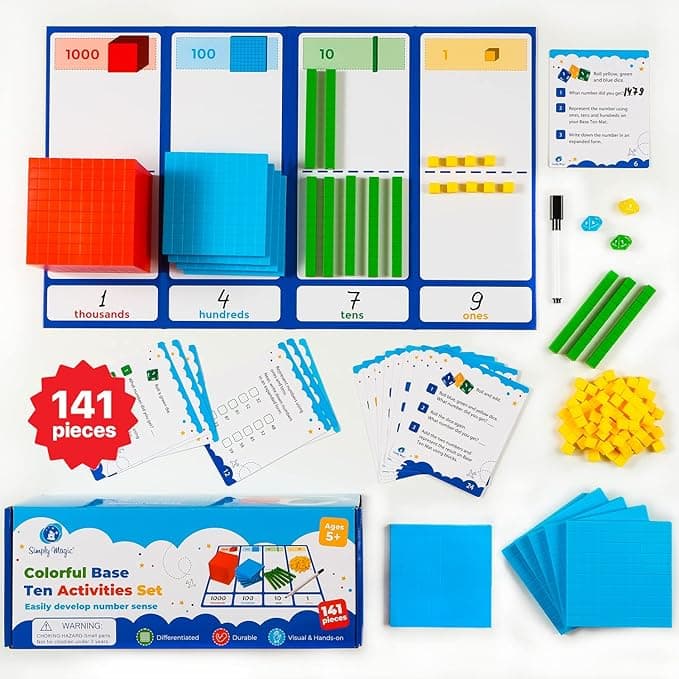
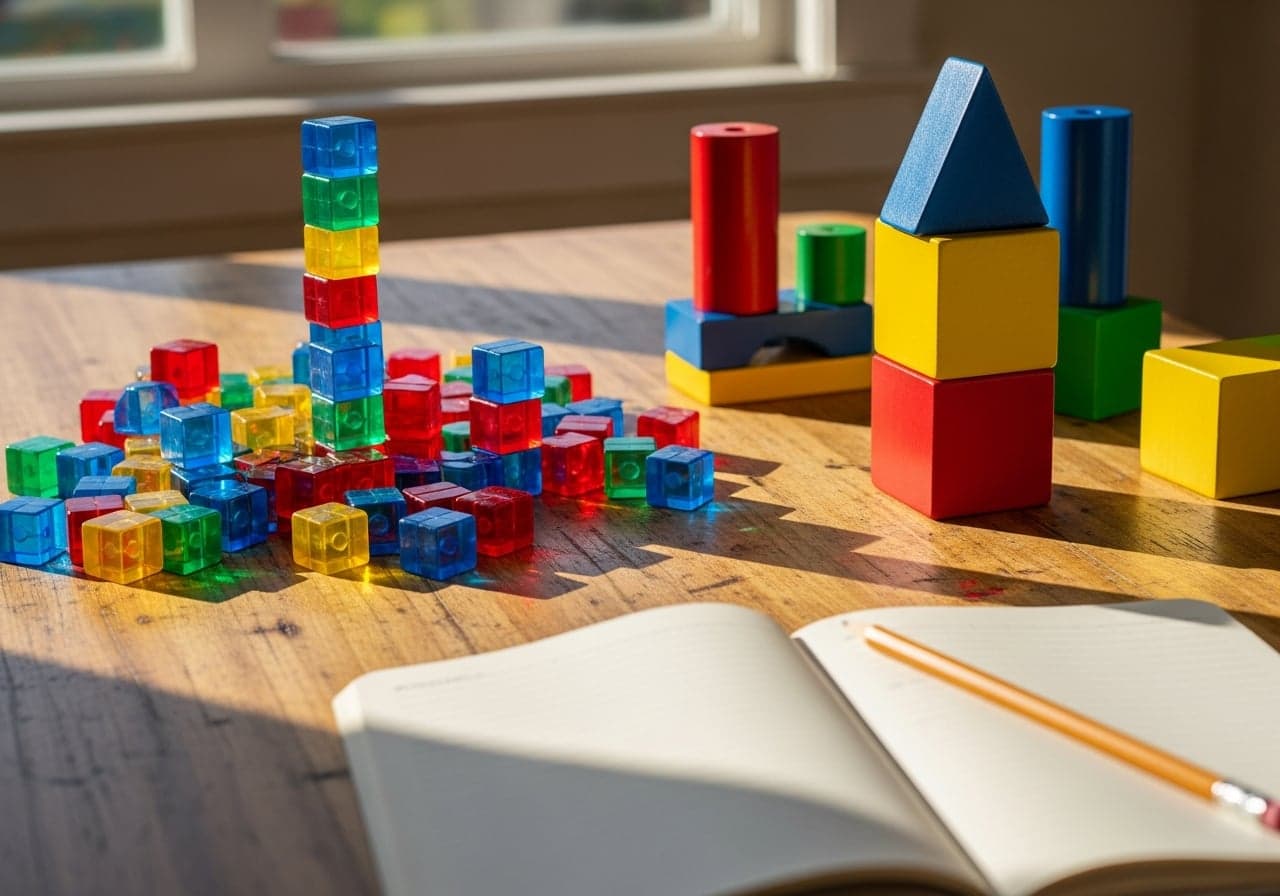
Math Manipulatives Set (Counting Bears, Pattern Blocks, and Base Ten Blocks)
If you're teaching math to elementary-aged kids, manipulatives aren't optional, they're essential. This set comes with counting bears in multiple colors and sizes, pattern blocks, and base ten blocks. We use the counting bears for sorting, patterning, and early addition/subtraction. The pattern blocks are great for geometry and spatial reasoning. And the base ten blocks make place value click in a way that worksheets just can't. Having a variety in one set means you're covered for years of math concepts.
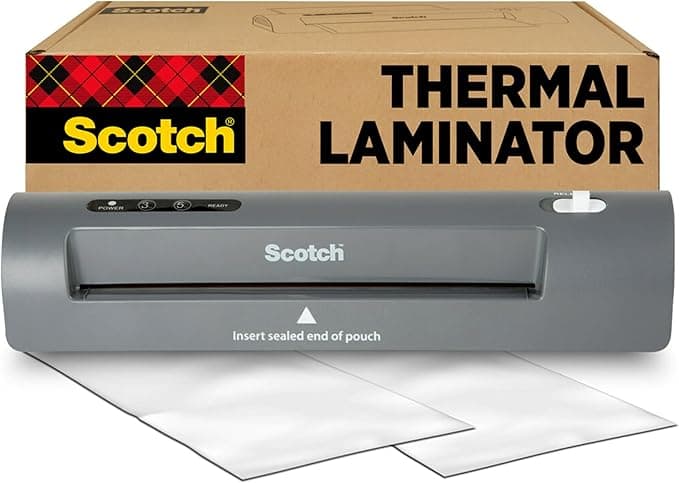
Scotch Thermal Laminator with 50 Laminating Pouches
I didn't think I needed a laminator. I was wrong. Once you have one, you'll laminate everything, timeline figures, grammar charts, chore cards, morning routine visuals, flash cards, maps, and reference sheets. Laminated materials last forever, can be written on with dry erase markers and wiped clean, and feel way more "official" which somehow makes kids take them more seriously. This Scotch one heats up fast and has been rock solid for us. Pro tip: buy extra laminating pouches because you will go through the initial 50 faster than you expect. I also recommend the thicker 5 mil pouches for things that will get a lot of handling, like timeline cards and flash cards. The thinner ones are fine for reference sheets that stay on the wall.
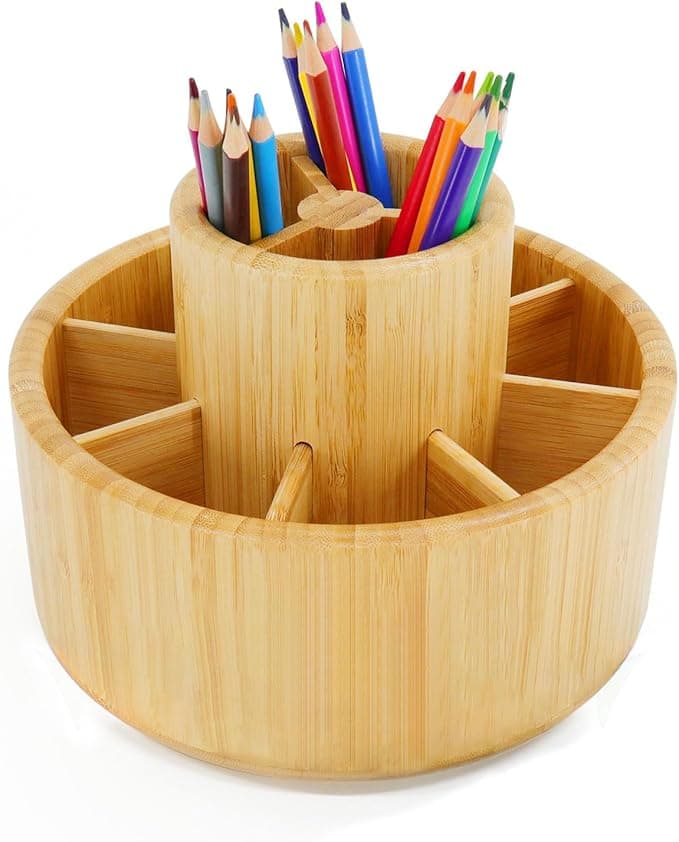
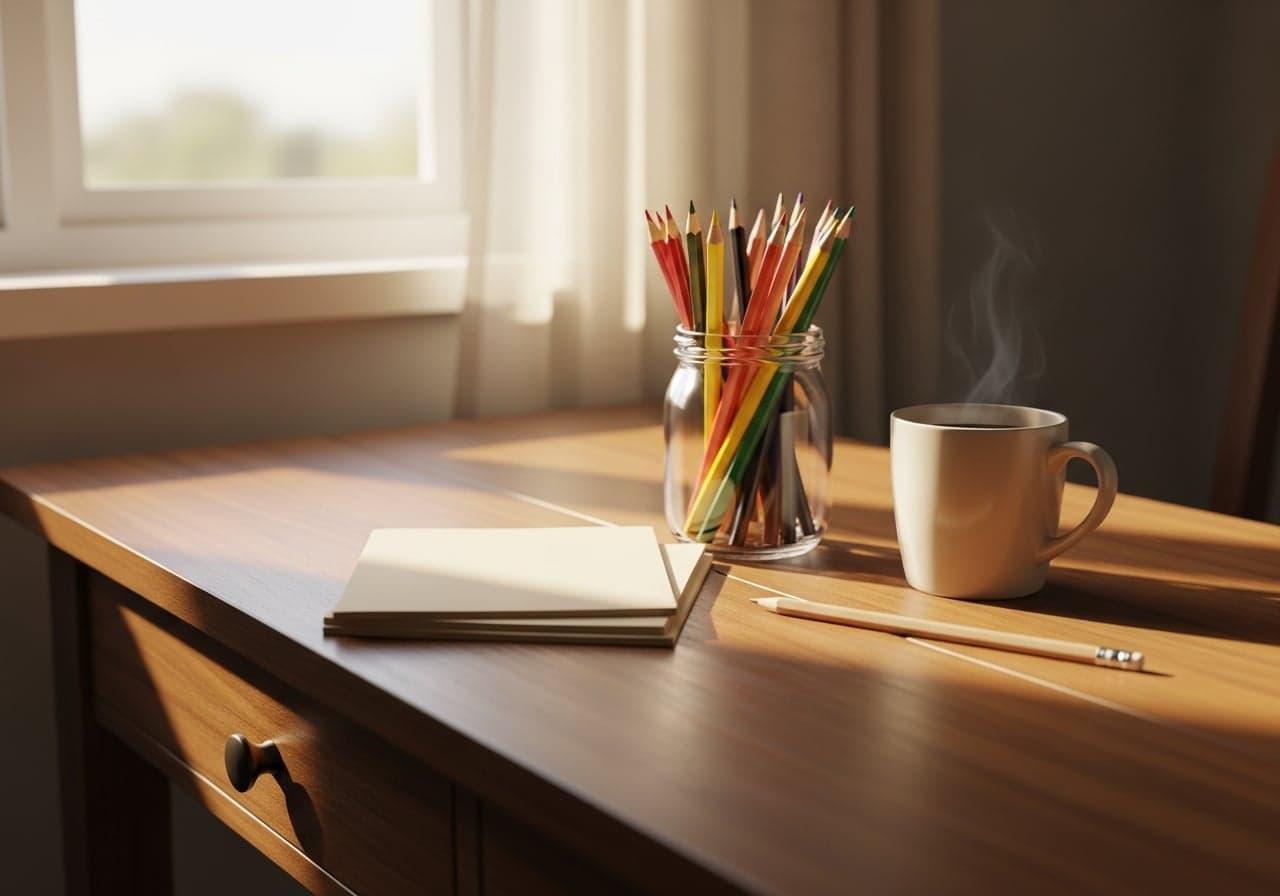
Rotating Art Supply Organizer (Desk Caddy)
Organization was our biggest homeschool struggle until I got this caddy. It sits in the middle of our table and holds pencils, markers, scissors, glue sticks, rulers, erasers, everything they need within arm's reach. The rotating design means whoever is sitting on any side of the table can spin it and grab what they need. It sounds small but it eliminated about 80% of the "mom, where's the..." interruptions. I bought a second one for our art station.
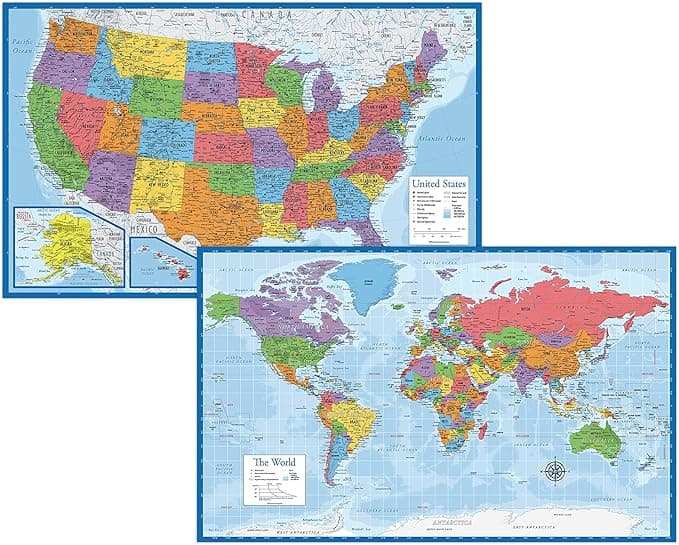
World and US Map Poster Set (Laminated, 18 x 24)
We reference these maps constantly, during history lessons, during read-alouds, during dinner conversations that turn into geography deep dives. Having them on the wall where everyone can see them makes geography feel like a natural part of daily life instead of a separate subject. These are laminated so the kids can circle countries, trace routes, and mark locations with dry erase markers. We've been using the same set for over a year and they still look great. Hang them at kid height so they can actually reach and interact with them. We put ours right next to our school table, and now any time a country or city comes up in a book, someone immediately jumps up to find it. That kind of spontaneous learning is what maps on the wall are all about.
A Few More Worth Mentioning
Beyond these main picks, here are a few other supplies that get daily or weekly use in our homeschool:
- A good visual timer, We use a visual timer for timed activities and focused work blocks. It helps kids see how much time is left without you being the clock police. The visual countdown (a shrinking colored disk) is so much more intuitive for young children than watching numbers on a digital clock.
- Sheet protectors and a binder, Slip worksheets into sheet protectors and kids can write on them with dry erase markers, then wipe clean and reuse. Brilliant for handwriting practice and math drills. This one trick has saved us so much money on consumable workbooks.
- A sturdy pencil sharpener, The cheap ones eat pencils. Invest in a quality electric or hand-crank sharpener and save yourself the frustration. Seriously, a good sharpener eliminates one of the most surprisingly annoying parts of daily homeschool life.
- Blank notebooks, For nature journals, copywork, narration notebooks, and general writing. I buy them in bulk at the start of each year. We prefer unlined for nature journaling and wide-ruled for younger writers.
- A globe, For all my earlier jokes about globes, having a physical globe that kids can spin and touch is genuinely valuable for geography. Just get one that's functional, not decorative. My kids reach for ours almost every day during read-alouds and history.
- Index cards, So simple, so useful. We use them for flashcards, timeline events, spelling words, vocabulary, and labeling science projects. Buy a big pack and a small box to store them in.
- A clipboard, For taking school outside. Clip a worksheet or a nature journal page to a clipboard and suddenly you can do schoolwork on the porch, at the park, or in the backyard. We each have one and they go everywhere with us.
How to Organize Your Supplies
Having great supplies is only half the battle, keeping them organized is what makes your day actually flow. Here's what works for us:
Daily supplies in one spot. Everything the kids need every single day, pencils, erasers, colored pencils, scissors, glue, lives in the rotating caddy on the table. It's always there. They never have to ask where things are.
Weekly materials in a bin. On Sunday evenings, I pull out the books, workbooks, and any printed materials we'll need for the week and put them in a single basket. During the week, we work from that basket. It keeps us focused and prevents the "which book are we on?" hunt.
Art supplies separate from school supplies. This was a game-changer. Art supplies (paint, brushes, specialty paper, craft materials) live in their own cart or bin, separate from everyday school supplies. When it's art time, we pull out the art cart. Otherwise it stays out of the way and out of reach of paint-happy toddlers.
Restock before you run out. I keep a running list on my phone of supplies we're running low on. When markers start dying, when the glue sticks get crusty, when we're down to three pencils, it goes on the list. I do one supply order per month and it keeps us from those mid-lesson emergencies where suddenly nobody has a working pencil.
Don't Overbuy
I want to end with this: resist the urge to buy everything at once. Start with the basics, something to write with, something to write on, and whatever your curriculum requires. Then add supplies as you discover actual needs. The whiteboard? You'll use it on day one. The art caddy? You'll wish you had it by week two. But most of the specialty items can wait until you know your rhythm.
Give yourself a full month of homeschooling before you make any big purchases. You'll quickly learn what you actually reach for every day, what sits untouched, and what gaps you need to fill. Your second round of supply shopping will be so much smarter than your first.
And keep an eye out for sales, Amazon regularly discounts school supplies during back-to-school season (July-August), Prime Day, and Black Friday. If you can wait for a sale on non-urgent items, you'll save a surprising amount over the course of the year.
The best-stocked homeschool room is the one with tools that actually get used, not the one with the most stuff. Happy shopping, friends.