Best Retinol Products for Beginners (Skin-Safe Picks)
The hardest part about starting retinol isn't finding a product, it's finding one that won't send your skin into full revolt.
The hardest part about starting retinol isn't finding a product, it's finding one that won't send your skin into full revolt. Too strong too fast, and you'll end up red, flaky, and swearing off retinol forever. These picks are beginner-tested, dermatologist-approved, and strong enough to actually do something.
All of these start at a gentle concentration, are formulated to minimize irritation, and have thousands of verified reviews from real people, not just influencers.
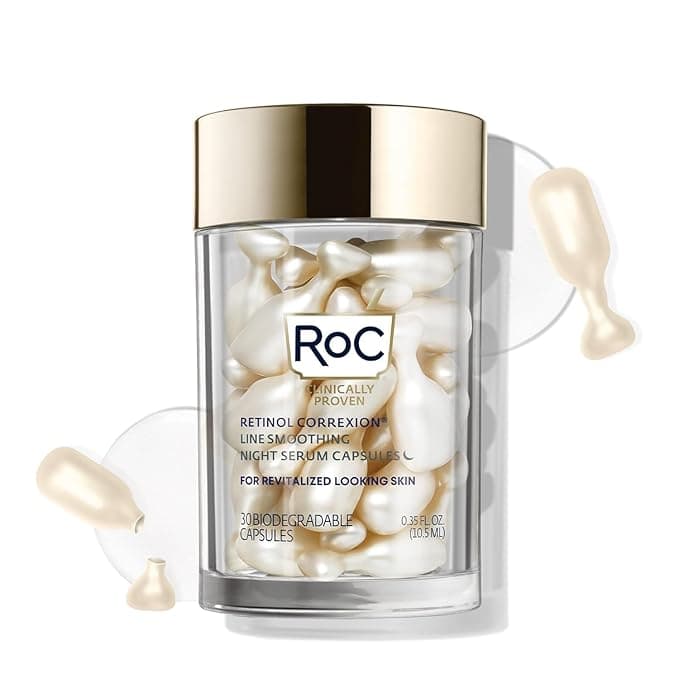
RoC Retinol Correxion Anti-Aging Wrinkle Night Serum
One of the most clinically-studied OTC retinol serums available. RoC has been doing retinol longer than almost any other brand, and this serum delivers real results at a beginner-friendly concentration. Lightweight, non-greasy, and works well under moisturizer. Start with 2–3 nights per week.
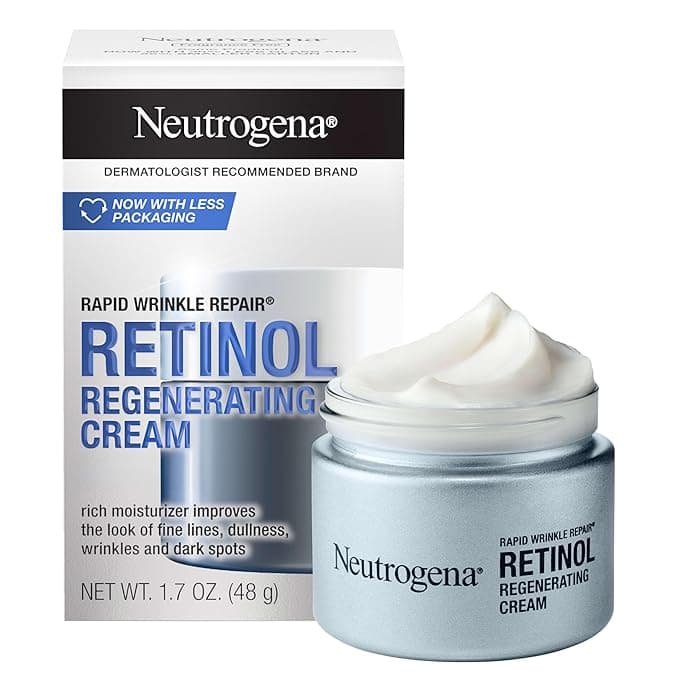
Neutrogena Rapid Wrinkle Repair Retinol Face Moisturizer
A drugstore classic for a reason. Neutrogena's retinol formula is stabilized to stay effective longer, and it's been dermatologist-recommended for years. The lightweight moisturizer absorbs quickly without feeling greasy. Fragrance-free and non-comedogenic.
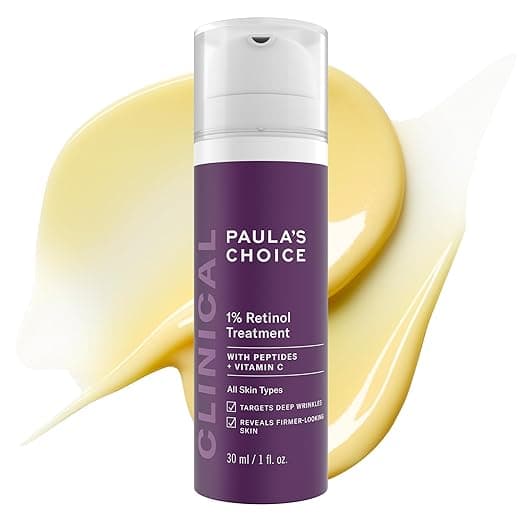
Paula's Choice 1% Retinol Treatment
If you're ready to step up to 1% (after starting lower), Paula's Choice is the gold standard. It pairs retinol with peptides and antioxidants to minimize irritation and maximize results. Expensive, but a little goes a long way and the formula is genuinely excellent. Worth it once your skin is adjusted.
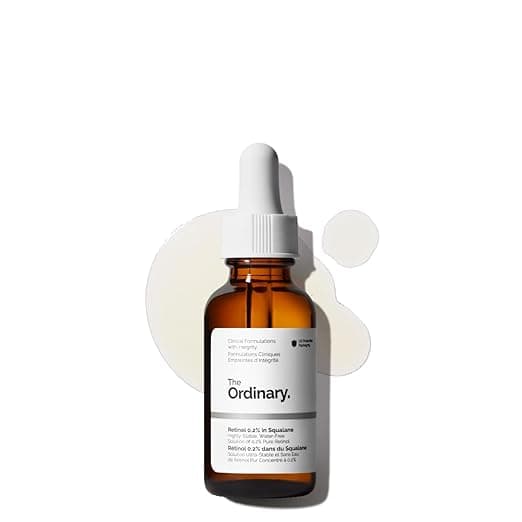
The Ordinary Retinol 0.2% in Squalane
The most budget-friendly starting point for retinol. The 0.2% concentration is perfect for true beginners, and the squalane base keeps irritation low while delivering hydration. If you want to test the waters before committing to a more expensive formula, start here.
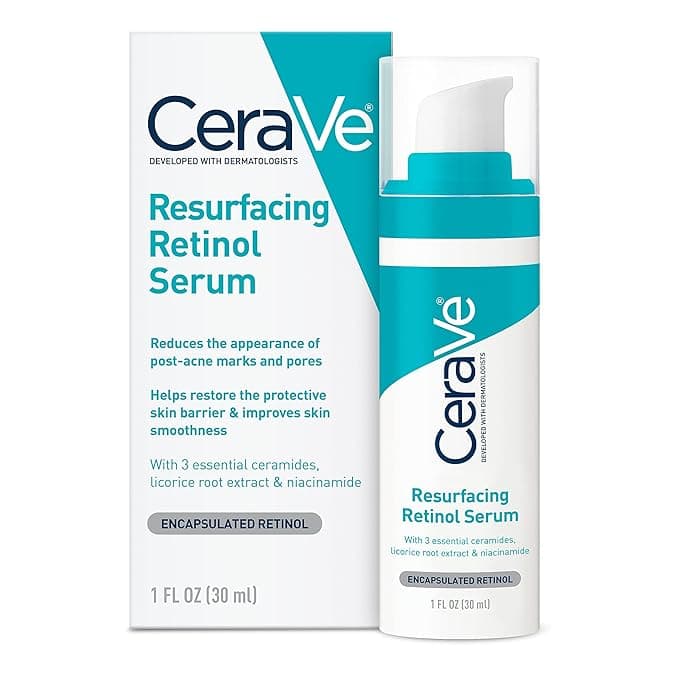
CeraVe Resurfacing Retinol Serum
CeraVe's version includes encapsulated retinol (released slowly for less irritation), three ceramides, and niacinamide, making it one of the most barrier-friendly retinol formulas on the market. Great for anyone who's had trouble tolerating retinol in the past. Fragrance-free and non-comedogenic.
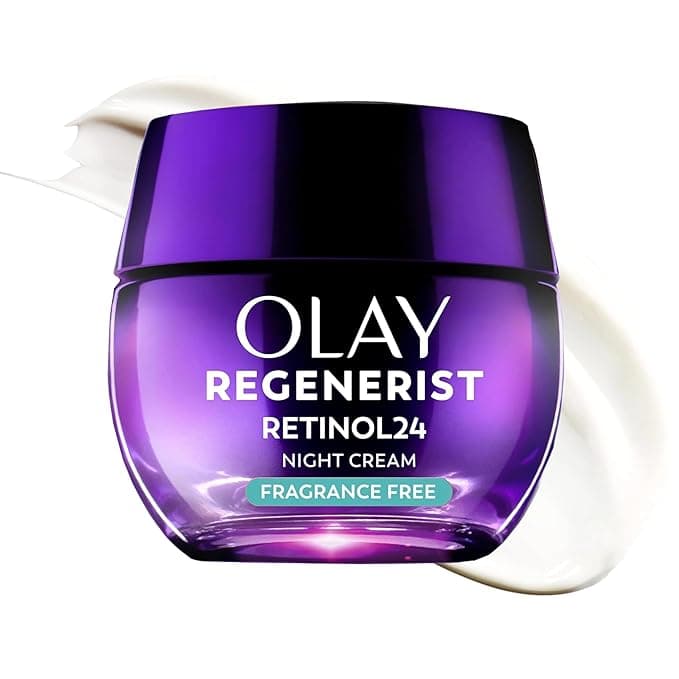
Olay Retinol Night Cream Anti-Aging Moisturizer
A moisturizer and retinol treatment in one, which makes it much easier to tolerate as a beginner. The 'Retinol 24' formula is designed to work for 24 hours and includes B3 (niacinamide) to support the barrier. One of the most popular retinol products in the US for good reason.
How to Start (Without Ruining Your Skin)
-
Pick the lowest concentration available (0.025%–0.1%)
-
Use it 1–2 nights per week for the first month
-
Always follow with moisturizer
-
Never skip SPF the next morning
-
Don't mix with acids or vitamin C on the same night
Give it at least 8–12 weeks before judging results. Retinol is a long game, but it's one of the few skincare ingredients with real, peer-reviewed science behind it. Want to understand the full picture of how it works? Here's what does retinol do to your skin.
How to Layer Retinol With Other Skincare
One of the most common beginner mistakes is stacking retinol with other active ingredients on the same night. Here's a simple guide to what works and what to avoid:
✅ Safe to Use With Retinol
-
Hyaluronic acid, hydrates and helps offset dryness
-
Ceramides, barrier support, especially important when starting retinol
-
Niacinamide, reduces irritation and helps with redness
-
Peptides, supportive and non-irritating
-
Squalane, seals in moisture without clogging pores
❌ Don't Mix With Retinol (Same Night)
-
AHAs/BHAs (glycolic acid, salicylic acid), too irritating together
-
Vitamin C, can destabilize both ingredients
-
Benzoyl peroxide, oxidizes retinol and causes irritation
-
Other retinoids, never double up
The easiest approach: use retinol on Tuesday/Thursday nights, and your other actives on the off nights. Or try what is skin cycling, a structured 4-night rotation that builds in recovery. Keep it simple until your skin adapts.
What Percentage of Retinol Should You Start With?
Retinol concentration matters, a lot. Here's how to think about it:
-
0.025%–0.1%, true beginner range. Start here if you've never used retinol or have sensitive skin. Low risk of irritation.
-
0.2%–0.3%, mild strength. Good for a second step up after 6–8 weeks at the lower level.
-
0.5%, moderate. For skin that has adjusted to lower concentrations over several months.
-
1%, strong OTC. Only for experienced retinol users with no sensitivity issues.
-
Prescription tretinoin (0.025%–0.1%), the most powerful form, requires a dermatologist. See retinol vs tretinoin for the full comparison.
All of the beginner products listed above fall in the 0.025%–0.3% range, which is exactly where you want to be for at least the first 3 months.
When Should You Upgrade Your Retinol?
You're ready to move up in concentration when:
-
You've been using your current strength 3–4x per week for at least 8 weeks
-
You're no longer experiencing dryness, flaking, or irritation
-
You feel like results have plateaued
Don't rush it. Most dermatologists recommend staying at a beginner concentration for at least 3 months before considering an upgrade. The tortoise wins this race.
You'll Also Love
- What Does Retinol Actually Do to Your Skin?
- Retinol vs Tretinoin: What's the Difference?
- How to Layer Skincare Products (in the Right Order)
- What Is Skin Cycling? The 4-Night Routine Explained