Perimenopause and Sleep, Why It's Wrecked and How to Fix It
Perimenopause sleep disruption is real, here's why it happens (progesterone, cortisol, night sweats) and what actually works to fix it.

If you've gone from sleeping soundly to lying wide awake at 3 AM for no apparent reason, or you're waking up drenched in sweat multiple times a night, or the quality of your sleep just feels fundamentally different than it used to, and you're somewhere in your late 30s or 40s, perimenopause is very likely a factor. I'm 36 and in early perimenopause myself. My sleep is mostly still fine, when it's bad, it's because I'm a mom of four boys, not because of hormones, but I've been researching this carefully because almost every woman in my life who's a few years deeper into the transition names sleep as one of the first and most disruptive symptoms. Poor sleep touches everything, mood, patience, metabolism, the ability to think clearly, hormonal balance (which creates a vicious cycle). Getting sleep right during perimenopause isn't optional; it's foundational.

Why Perimenopause Wrecks Your Sleep
There isn't one single reason, it's a combination of hormonal shifts that converge to make sleep harder.
Progesterone decline is the biggest player. Progesterone has a direct calming effect on the brain. It enhances the activity of GABA, the primary inhibitory neurotransmitter that helps you feel calm, relaxed, and sleepy. Progesterone is often the first hormone to noticeably decline during perimenopause, sometimes years before estrogen does. When progesterone drops, GABA activity drops with it, and you lose that neurological "off switch" that helped you fall asleep and stay asleep.
Estrogen fluctuations cause vasomotor symptoms. Hot flashes and night sweats are driven by erratic estrogen levels disrupting your body's thermoregulation center in the hypothalamus. Night sweats can wake you multiple times, and even when they're not severe enough to fully wake you, they disrupt your sleep architecture, pulling you out of deep, restorative sleep into lighter stages.
Cortisol dysregulation compounds everything. In a healthy pattern, cortisol should be highest in the morning and lowest at night. During perimenopause, this rhythm can become disrupted, with cortisol levels staying elevated in the evening or spiking in the early morning hours. This is why so many perimenopausal women report waking between 2 and 4 AM and being unable to fall back asleep. That's a cortisol spike. I covered the broader picture in signs your cortisol is too high.
Anxiety and mood changes create a feedback loop. Hormonal shifts can trigger new-onset anxiety or significantly worsen existing anxiety. Anxiety makes it harder to fall asleep, poor sleep worsens anxiety, and the cycle feeds itself. This isn't a character flaw or a stress management failure, it's a neurochemical shift driven by changing hormone levels.
Declining melatonin production adds another layer. Melatonin, the hormone that signals your body it's time to sleep, naturally declines with age. Combined with the other hormonal shifts of perimenopause, this reduction can make it harder to fall asleep at a consistent time and maintain the deep sleep stages your body needs for recovery and restoration.
What the Research Says Works
Let me separate the evidence-based approaches from the wishful thinking. There are real, studied solutions for perimenopause-related sleep disruption.
Magnesium
Magnesium is the supplement most often recommended first for perimenopause sleep issues, and for good reason. It activates the parasympathetic nervous system (the "rest and digest" system), regulates GABA activity, helps lower cortisol, and relaxes muscles. Most women are deficient, modern diets and chronic stress deplete magnesium quickly.
The form matters enormously. Magnesium glycinate and magnesium threonate are the best-studied forms for sleep and nervous system support. Magnesium oxide and citrate are more commonly used for constipation and have less impact on sleep quality. I wrote a full guide on magnesium for sleep for the details on dosing and timing. A dose of 200 to 400mg of magnesium glycinate about 30 to 60 minutes before bed is a common starting point.

Pure Encapsulations Magnesium Glycinate, 120mg Capsules
A high-quality magnesium glycinate that's well-absorbed, gentle on the stomach, and specifically effective for sleep and relaxation. Third-party tested.
Temperature Management
This one is both simple and wildly effective. Your core body temperature needs to drop by about 1–2 degrees for sleep initiation, and night sweats directly interfere with this process. Actively managing your sleep temperature can make a dramatic difference.
Keep your bedroom cool, 65–68 degrees Fahrenheit is the sweet spot for most people. Use breathable, moisture-wicking bedding (linen or bamboo sheets, not synthetic). Wear lightweight, natural-fiber sleepwear. And consider investing in a cooling pillow, the temperature of your head and neck significantly affects your perception of thermal comfort.
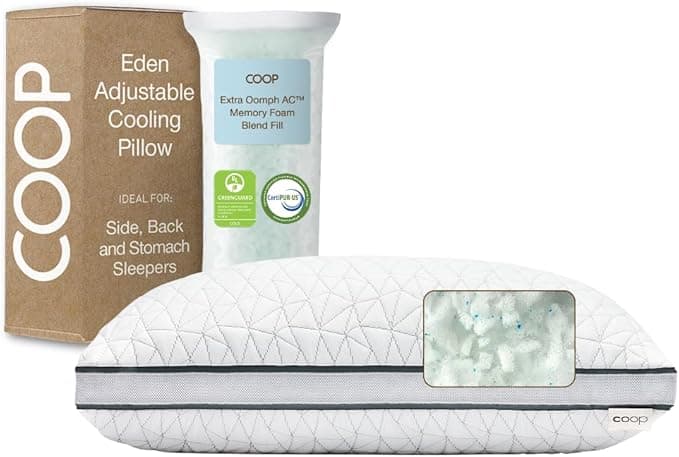
Coop Home Goods Eden Memory Foam Pillow, Cooling Gel-Infused, Adjustable
A solid cooling pillow option that comes up often in perimenopause sleep recommendations. Gel-infused memory foam stays noticeably cool, the fill is adjustable for any sleeping position, and it's machine washable.
Evening Cortisol Management
If your primary pattern is waking in the early morning hours, elevated cortisol is likely involved. Strategies to lower evening cortisol include:
Dim the lights after sunset. Bright light suppresses melatonin and can increase cortisol. Switch to warm, low lighting in the hours before bed.
Stop eating 2–3 hours before bed. Digestion raises core body temperature and can elevate cortisol. A light, early dinner or a small protein-rich snack if you tend toward low blood sugar at night.
Targeted supplements. Ashwagandha taken in the evening can help lower cortisol, I covered the evidence in ashwagandha benefits for women. L-theanine (an amino acid from green tea) promotes alpha brain wave activity and relaxation without sedation. Phosphatidylserine has been shown in studies to blunt the cortisol response.
A consistent wind-down routine. Not a suggestion, a necessity. Your nervous system needs signals that it's safe to shift into sleep mode. Same time, same sequence, every night. This could be a warm bath or shower (which actually helps with the core temperature drop afterward), stretching, reading, deep breathing, or journaling.
Sleep Hygiene Specific to Perimenopause
General sleep hygiene advice applies, but perimenopause adds specific considerations:
Don't drink alcohol to help you sleep. It's tempting because alcohol initially has a sedative effect, but it severely disrupts sleep architecture in the second half of the night, worsens night sweats, and increases middle-of-the-night awakenings. If your sleep is already compromised, alcohol makes it measurably worse.
Be strategic about caffeine. Your caffeine metabolism may have changed, many women in perimenopause find they're more sensitive to caffeine than they used to be. Consider cutting off caffeine by noon or eliminating it temporarily to see if sleep improves.
Protect your sleep window. Go to bed and wake up at consistent times, even on weekends. This regularity reinforces your circadian rhythm, which is already under pressure from hormonal changes.
Consider a white noise machine. Perimenopause-related sleep is often lighter and more easily disrupted. White or brown noise can help mask environmental sounds that might wake you during lighter sleep stages.
A Sample Perimenopause Sleep Routine
It's easier to apply a list of strategies when you can see them stacked together as an actual evening. Here's the kind of routine that has worked well for women I know who've dialed it in over months of experimentation.
Around 7:30 PM, dim all the lights in the house and switch to warm-toned lighting. Stop eating by 7 PM at the latest. At about 8:30, take 300mg of magnesium glycinate and 200mg of L-theanine. A short stretching routine, five minutes of gentle hip openers and spinal twists, helps release the tension built up across the day. Keep the bedroom at 66 degrees, use linen sheets (a real difference for temperature regulation), and run a white noise machine. Phone goes on the charger in the kitchen, not the bedroom.
This kind of routine doesn't promise a perfect night every night. Many women still get hit with the occasional 3 AM wakeup, especially during the week before their period when progesterone dips. But the frequency and severity of sleep disruption tends to drop dramatically once these habits are in place. The difference between "sometimes I sleep poorly" and "I dread going to bed because I know I'll be awake at 2 AM" is enormous, and it's achievable.
When to Talk to Your Doctor
If lifestyle changes and supplements aren't enough, and for some women, they won't be, it's worth discussing medical options with a knowledgeable provider.
Bioidentical progesterone (oral micronized progesterone, often prescribed as Prometrium) is used both for cycle management and sleep during perimenopause. Its GABA-enhancing effects can significantly improve sleep onset, sleep quality, and middle-of-the-night awakenings. This is a conversation to have with a doctor who understands perimenopause hormones, not every provider is well-versed in this.
Low-dose melatonin (0.3–1mg, much lower than the 5–10mg doses commonly sold) can help with sleep onset, particularly if your circadian rhythm is disrupted. Melatonin production does naturally decline with age.
CBT-I (Cognitive Behavioral Therapy for Insomnia) has the strongest evidence of any non-pharmacological treatment for chronic insomnia. It addresses the thought patterns and behaviors that perpetuate sleep problems, and studies show it's as effective as sleep medication in the short term and more effective in the long term. You can access CBT-I through a therapist specializing in sleep, or through evidence-based apps that deliver the program digitally.
Hormone therapy: For some women, the combination of estrogen and progesterone (hormone replacement therapy / HRT) can dramatically improve sleep, in addition to addressing hot flashes, night sweats, mood, and other perimenopause symptoms. The decision to pursue HRT is personal and should be made with a provider who understands the current evidence, which is much more favorable than the fear-based messaging that dominated for decades after the Women's Health Initiative study.
A note on sleep medications: Prescription sleep aids like zolpidem (Ambien) may provide short-term relief but don't address the underlying hormonal causes and come with significant side effects and dependency risks. They're generally not recommended as a long-term solution for perimenopause-related insomnia. If you're relying on them, work with your doctor on a transition plan toward more sustainable approaches.
If you're sleeping poorly and it's affecting your quality of life, don't accept it as just part of aging. This is solvable. The approach might take some experimentation, a combination of environment, supplements, lifestyle habits, and potentially medical support, but better sleep during perimenopause is absolutely achievable.
The Bigger Picture: Sleep and Everything Else
I want to end with this perspective because it's important: sleep isn't just one more item on your perimenopause symptom list. It's the foundation that everything else sits on. When you sleep well, your cortisol regulates better, your insulin sensitivity improves, your mood stabilizes, your energy returns, your food choices improve, and your motivation to exercise increases. Sleep is the single highest-leverage intervention you can make during perimenopause.
Conversely, when sleep falls apart, everything else gets harder. Weight management becomes nearly impossible. Mood plummets. Cortisol climbs. You reach for sugar and caffeine to survive the day, which further disrupts your hormones and your next night's sleep. The cascade is real.
So if you're reading this feeling overwhelmed by all the things you could or should be doing for your hormonal health, start with sleep. Get that right, and many other pieces start falling into place naturally.
You deserve to rest well. Not the shallow, fragmented, sweaty sleep that perimenopause often delivers, but real, deep, restorative rest. It's achievable. It might take some experimentation and persistence, but don't give up on it. Good sleep is not a luxury during perimenopause. It's the most important thing you can do for yourself.
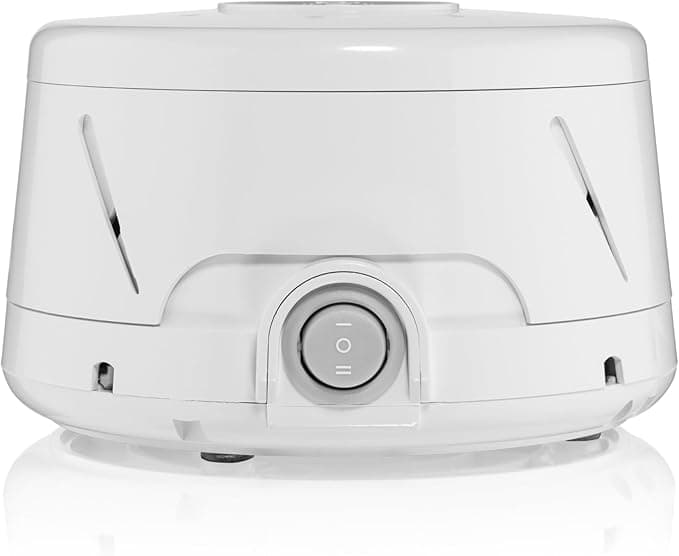
Yogasleep Dohm Classic White Noise Machine
The Dohm is a longtime favorite in this category. Real fan-based white noise (not a recording), adjustable tone and volume, and remarkably effective at masking the sounds that wake you during the lighter sleep stages perimenopause tends to bring.