Perimenopause Weight Changes: Why and What Helps
Why weight shifts during perimenopause and what to do about it. The metabolic, hormonal, and lifestyle changes that matter, and what actually works.

I want to talk about the thing nobody prepares women for when perimenopause starts: the weight that seems to appear from nowhere, settles in places it never used to, and refuses to respond to the exact diet and exercise that worked five years ago. It's not in anyone's head. It's not laziness or overeating. It's a real, documented metabolic shift, and understanding why it's happening is the first step toward knowing what to do about it.

What got me digging into this in the first place: I'm 36, in early perimenopause, and I try to move every morning, I watch what I eat, and there are still a few stubborn pounds that just won't come off. Nothing dramatic, my body hasn't changed in any obvious way, just a small, sticky few pounds that my usual approach isn't fixing. That tiny mystery was enough to make me curious about what's actually happening hormonally in this phase. And then nearly every woman I know who's a few years deeper into perimenopause has been describing a much bigger version of the same pattern: jeans tightening around the midsection without any change in eating, the body holding onto weight differently, workouts that used to lean them out no longer doing the same thing. They tend to blame stress first, then age, then genetics. The research keeps pointing somewhere else: hormones, specifically the hormonal cascade that perimenopause sets into motion. I'd rather understand the mechanism early, while my own signs are still small, than try to figure it out in the middle of it.
Why Your Body Changes During Perimenopause
The metabolic shifts that happen during perimenopause aren't about one hormone. They're about several hormones changing simultaneously and interacting in ways that fundamentally alter how your body processes, stores, and burns energy. Understanding these mechanisms is empowering, because once you know what's driving the change, you can target your response instead of flailing in frustration.
Here are the five key factors at play.
Estrogen decline changes where fat is stored. Before perimenopause, estrogen promotes fat storage in the hips and thighs (the classic "pear shape" distribution). As estrogen levels become erratic and eventually decline, fat redistribution shifts toward the abdomen, visceral fat, specifically, which surrounds your organs. This isn't just a cosmetic change. Visceral fat is metabolically active and produces inflammatory compounds that further disrupt hormonal function.
Progesterone drops first, and it matters. Progesterone is often the first hormone to decline noticeably during perimenopause, sometimes years before estrogen changes become obvious. Low progesterone relative to estrogen creates what's called estrogen dominance, and this promotes water retention, bloating, and fat storage. It also contributes to sleep disruption, which has its own significant effect on weight. Many women notice increased bloating and water weight before any actual fat gain, and that initial shift can be confusing and frustrating.
Insulin resistance sneaks in. As estrogen declines, your cells become less responsive to insulin. Your body has to produce more insulin to manage the same amount of glucose, and elevated insulin is a powerful fat-storage signal. Insulin resistance is one of the biggest drivers of perimenopause weight gain, especially around the midsection, and it's also one of the most modifiable.
Cortisol goes up. Hormonal fluctuations are inherently stressful to your body. Add in the sleep disruption, mood changes, and life stress that many women in their late 30s and 40s carry, and you have a recipe for chronically elevated cortisol. High cortisol promotes fat storage (especially abdominal fat), increases cravings for sugar and refined carbs, and breaks down muscle tissue, which brings us to the next factor.
Muscle mass declines, and this one is critical. Starting in your 30s and accelerating during perimenopause, women lose muscle mass at a rate of about 3–5% per decade if they're not actively working to maintain it. This process, called sarcopenia, is significantly influenced by hormonal changes. Less muscle means a lower resting metabolic rate, your body burns fewer calories at rest. This is one of the most impactful but least discussed contributors to perimenopause weight changes.
The Cortisol Connection
Cortisol deserves its own section because it's the hidden engine behind so much of the weight frustration women experience during perimenopause. I wrote a whole post on signs your cortisol is too high, but here's the weight-specific picture.
When cortisol stays elevated, your body enters a state of perceived threat. It prioritizes energy storage over energy burning. It drives you toward quick-energy foods (sugar, refined carbs, anything that hits your bloodstream fast). It disrupts sleep, which in turn increases ghrelin (the hunger hormone) and decreases leptin (the fullness hormone). You're literally hungrier, less satisfied by food, and more inclined to store what you eat, all because of cortisol.
The solution isn't to "stress less", that advice is about as useful as telling someone to "just relax." The solution is building specific stress-buffering habits into your day: morning light exposure, regular movement, adequate protein, blood sugar stability, and targeted supplements like magnesium and ashwagandha.
The relationship between cortisol and weight is so significant during perimenopause that researchers and clinicians treat it as just as important as nutrition and exercise. If a woman is doing all the "right things" with diet and movement but stress is unmanaged, cortisol will undermine her progress. The reverse is also true, managing stress alone won't override poor nutrition and inactivity. It's the combination that works.
Sleep is the other cortisol variable that directly impacts weight. Poor sleep increases cortisol, increases ghrelin (hunger hormone), decreases leptin (satiety hormone), and worsens insulin resistance, all of which promote weight gain. If perimenopause has disrupted your sleep, addressing it is not optional for weight management. I wrote a full guide on perimenopause and sleep that covers evidence-based solutions.
The Insulin Resistance Piece Most People Miss
Insulin resistance is worth its own section because it's the factor that, from what I keep reading and hearing from women going through this, gets the least attention from conventional doctors but has one of the biggest impacts on perimenopause weight changes.
Insulin resistance means your cells don't respond to insulin as efficiently as they should. Your pancreas compensates by producing more insulin. And elevated insulin is essentially a "store fat" signal, it tells your body to pull glucose out of the bloodstream and store it as fat, particularly around the midsection.
During perimenopause, declining estrogen directly contributes to increasing insulin resistance. Estrogen normally helps keep cells insulin-sensitive, so as it fluctuates and drops, your blood sugar regulation changes. You may notice you feel differently after eating the same meals you've always eaten, more sluggish, more hungry afterward, more prone to energy crashes.
Signs of insulin resistance include stubborn belly fat, sugar and carb cravings (especially after meals), energy crashes in the afternoon, feeling shaky or irritable when skipping a meal, skin tags, and darkened skin patches on the neck or underarms (acanthosis nigricans). If this sounds familiar, ask your doctor for a fasting insulin test (not just fasting glucose, you can have normal glucose and elevated insulin for years before glucose rises).
The good news: insulin resistance is highly responsive to lifestyle changes. The same strategies that help, strength training, protein at every meal, blood sugar stability, adequate sleep, all improve insulin sensitivity directly.
What Actually Works: Strength Training
If there is one single change that has the most evidence behind it for perimenopause weight management, it's resistance training. Not more cardio. Strength training.
Here's why: building and maintaining muscle is the most effective way to counteract the metabolic slowdown that occurs during perimenopause. Muscle tissue is metabolically active, it burns calories at rest, improves insulin sensitivity, supports bone density (which also declines with estrogen loss), and helps regulate body composition.
You don't need to become a powerlifter. But you do need to challenge your muscles with progressive resistance, meaning the weight or difficulty increases over time. Bodyweight exercises, dumbbells, barbells, resistance bands, or machines all work. The key is consistency and progression.
Aim for 2–4 strength training sessions per week, focusing on compound movements that work multiple muscle groups:
- Squats (goblet, barbell, or bodyweight)
- Deadlifts (conventional, Romanian, or single-leg)
- Presses (overhead, bench, or push-ups)
- Rows (dumbbell, cable, or barbell)
- Lunges (walking, reverse, or split squats)
For someone new to lifting, even starting with two sessions a week tends to make a noticeable difference within a few months.

Fit Simplify Resistance Loop Bands, Set of 5 with Carry Bag
A versatile set of resistance bands at five tension levels, perfect for at-home strength training if you're new to lifting or want to supplement gym sessions with convenient home workouts.
What about cardio? It's still valuable for heart health, mood, and stress management. But if you're only doing cardio and skipping resistance training, you're missing the most impactful tool in your toolbox.
Nutrition Shifts That Matter
The way you ate in your twenties may not serve you during perimenopause, not because of calories, but because of what your hormones need.
Protein becomes more important. Women in perimenopause need more protein than they did in their younger years to maintain muscle mass, support satiety, and stabilize blood sugar. Aim for at least 25–30 grams of protein per meal, and consider adding a protein-rich snack if there's a long gap between meals.
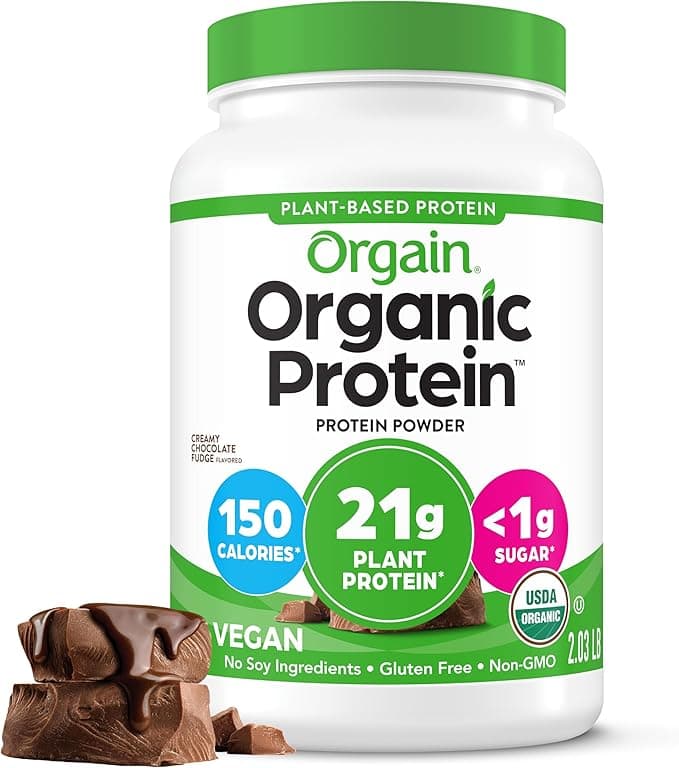
Orgain Organic Protein Powder, Plant-Based, 21g Protein Per Serving
A clean, plant-based protein powder with no artificial ingredients, making it easy to hit your protein targets with a quick smoothie when you don't have time for a full meal.
Blood sugar stability is non-negotiable. Every time your blood sugar spikes and crashes, cortisol and insulin spike with it. Eating balanced meals, protein, healthy fat, fiber-rich carbs, keeps your blood sugar steady and reduces the hormonal chaos that drives fat storage.
Refined carbs and sugar deserve serious scrutiny. This isn't about being restrictive. It's about recognizing that your body's ability to process glucose has changed. Insulin resistance means that the same bowl of pasta or slice of bread triggers a bigger insulin response than it would have ten years ago. Choose complex carbs (sweet potatoes, quinoa, beans, vegetables) over refined ones, and always eat carbs with protein or fat.
Don't under-eat. Chronic calorie restriction, which many women default to when weight starts shifting, actually backfires during perimenopause. Severe restriction raises cortisol, breaks down muscle, slows metabolism, and sends your body deeper into conservation mode. Eat enough to fuel your activity and your hormones. This is not the time for 1,200-calorie diets.
Consider timing. Some women find that time-restricted eating (eating within a 10–12 hour window) supports insulin sensitivity during perimenopause. But aggressive fasting, extended fasts or very narrow eating windows, can backfire for women by raising cortisol and disrupting reproductive hormones. A moderate approach (stop eating 2–3 hours before bed, eat within a 10–12 hour window during the day) is safer and more sustainable.
Anti-inflammatory foods help. Visceral fat is an inflammatory process, and reducing systemic inflammation through diet can support body composition. Focus on omega-3 fatty acids (fatty fish, walnuts, flaxseed), colorful vegetables, berries, turmeric, and fermented foods that support gut health.
Fiber deserves a spotlight. Most women don't eat nearly enough fiber, the average intake is about 15 grams when the recommendation is 25–30 grams. Fiber slows glucose absorption (supporting blood sugar stability), feeds beneficial gut bacteria (which influences estrogen metabolism), promotes satiety, and helps eliminate excess hormones through the digestive tract. Good sources include vegetables, legumes, berries, chia seeds, flaxseeds, and whole grains. If you're increasing fiber, do it gradually and drink plenty of water to avoid digestive discomfort.
Alcohol deserves an honest conversation. This isn't about moral judgment, it's about biology. Alcohol impairs estrogen metabolism, disrupts sleep (which compounds every other perimenopausal issue), increases cortisol, promotes visceral fat storage, and reduces insulin sensitivity. Even moderate drinking, a glass of wine with dinner, has measurable metabolic effects that become more pronounced during perimenopause. You don't have to eliminate alcohol entirely, but being honest about its impact on your hormones and body composition during this transition is important.
Sleep and Recovery, The Underestimated Factor
Sleep disruption during perimenopause isn't just annoying, it's metabolically consequential. The research treats it as the second most important factor (after strength training) for perimenopause weight management, yet it's the one most women neglect. Poor sleep increases cortisol, increases ghrelin, decreases leptin, reduces insulin sensitivity, and makes your body preferentially store fat. Even one night of poor sleep has measurable effects on appetite and food choices the following day.
If your sleep has gotten worse during perimenopause, address it directly. Magnesium glycinate before bed is one of the most-studied supports, and I covered the evidence in magnesium for sleep. Keep your room cool, dark, and screen-free for at least 30 minutes before bed. And consider talking to your doctor about whether progesterone support (bioidentical or otherwise) might be appropriate.
The Mindset Shift That Matters Most
Most health articles skip something important: the emotional component of perimenopause weight changes. It's not just about the number on the scale. It's about feeling like your body has betrayed you. It's about clothes that no longer fit. It's about a culture that tells women their value decreases as their waist size increases. It's about the very real grief of watching your body change in ways you didn't choose and can't fully control.
I want to be direct: the goal of addressing perimenopause weight changes is not to look like you did at 25. That's neither realistic nor necessary. The goal is to support your metabolic health, insulin sensitivity, muscle mass, cardiovascular fitness, bone density, in ways that help you feel strong, energized, and well. Body composition may shift as a result, and that's great. But health markers matter far more than a number on a scale.
If you find yourself caught in a restrict-and-obsess cycle around food and weight during perimenopause, that's worth addressing with a therapist or counselor, ideally one who understands both eating behaviors and hormonal health. Restriction doesn't work long-term, and the stress it generates actively worsens the hormonal picture.
Supplements That Support Metabolic Health
While lifestyle changes are the foundation, certain supplements can help support the metabolic shifts happening during perimenopause.
Magnesium supports over 300 enzymatic reactions in the body, including glucose metabolism, cortisol regulation, and sleep quality. Most women are deficient, and perimenopause increases the need. Magnesium glycinate is the form most often recommended. I wrote a full guide on magnesium benefits for women.
Omega-3 fatty acids reduce inflammation (which visceral fat promotes), support insulin sensitivity, and benefit cardiovascular health, all of which become more important during perimenopause.
Vitamin D, deficiency is associated with insulin resistance, and many women are low. Get tested and supplement based on your level.
Fiber, not technically a supplement, but worth calling out. Soluble fiber slows glucose absorption, feeds beneficial gut bacteria that influence estrogen metabolism, and supports satiety. Aim for 25–30 grams daily. If you're not hitting that through food, a psyllium husk supplement can help bridge the gap.
When to Get Professional Support
If a woman has made meaningful changes to strength training, nutrition, and stress management and still isn't seeing shifts after several months, it's worth digging deeper with a healthcare provider.
Ask for comprehensive hormone testing, not just estrogen and progesterone, but also fasting insulin, fasting glucose, HbA1c (a three-month blood sugar average), thyroid panel (TSH, Free T3, Free T4), and cortisol. Insulin resistance in particular is often the missing piece, and it responds well to targeted interventions.
Specifically, ask about your fasting insulin level. This is the test most conventional doctors skip, and it's arguably the most important one for understanding perimenopause weight changes. A fasting insulin above 8–10 uIU/mL suggests insulin resistance is in play, and that has specific dietary and lifestyle interventions that can help significantly.
Talk to your provider about whether hormone therapy might be appropriate. For many women in perimenopause, bioidentical hormone therapy (estrogen and progesterone) can improve body composition, insulin sensitivity, sleep, and overall quality of life. The decision is personal and should be made with a knowledgeable provider, but it's worth having the conversation.
A functional medicine practitioner or endocrinologist who specializes in women's health can be worth the investment. Not every doctor understands perimenopause, and you deserve one who takes these changes seriously rather than dismissing them as normal aging.
The body isn't broken. It's transitioning. With the right support, the right movement, the right nutrition, the right stress management, and the right medical guidance when needed, women can navigate that transition feeling strong, fueled, and like themselves. The body is capable of incredible things at every stage. Give it what it needs, and it will respond.