Best Instant Cameras for Families: 4 Worth Buying
The four best instant cameras for families, from the beginner-friendly Instax Mini 12 to the Bluetooth-connected Polaroid Now+. Honest picks for every use.
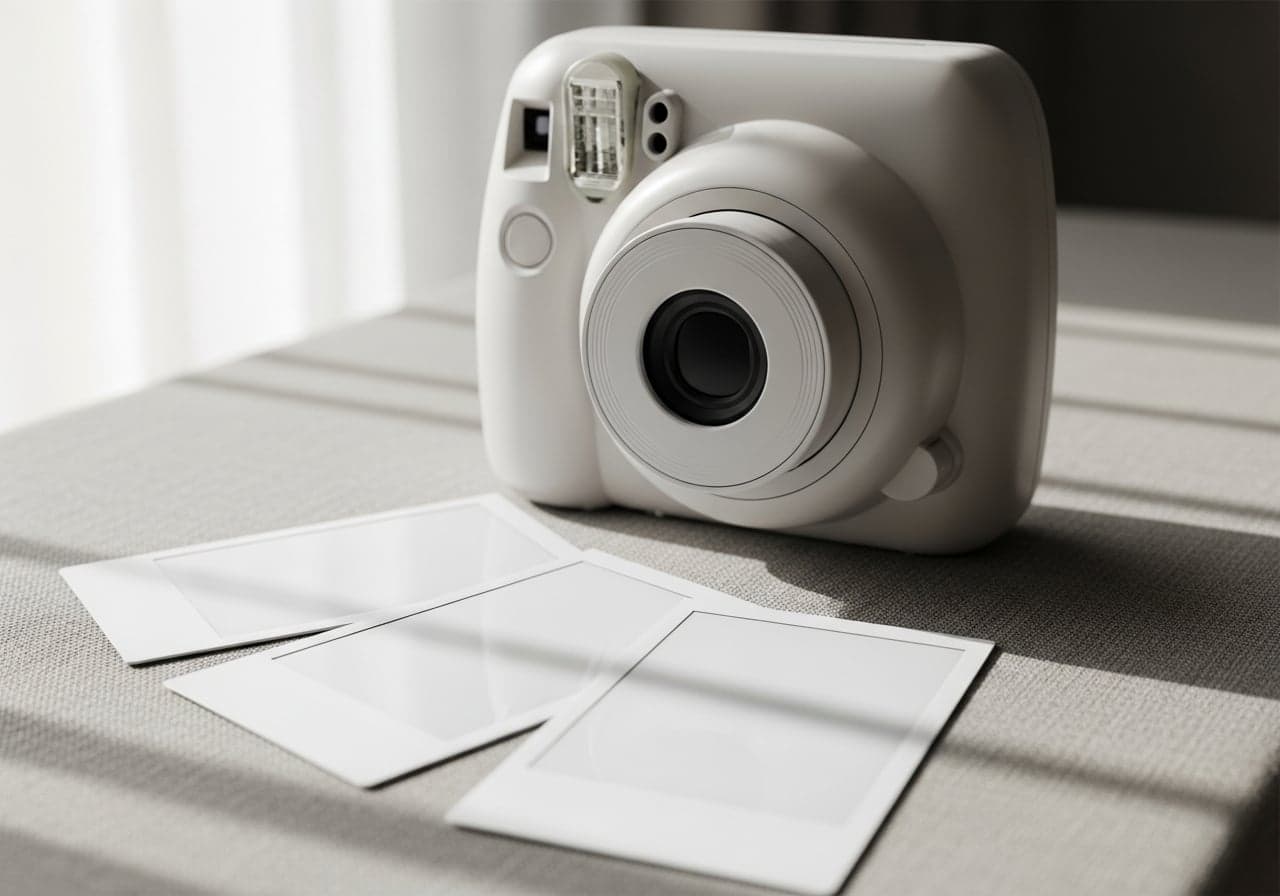
My boys have gone through a lot of phases when it comes to what they want to do on road trips. For a while it was audiobooks. Then it was a long stretch of "can we stop at every Buc-ee's on the East Coast" (the answer is no). Last summer on our drive down to South Florida, my second oldest spotted an instant camera in a gas station display case and asked if we could get one so he could take pictures on the rest of the trip.
We did not buy that gas station version, but it sent me down a rabbit hole of figuring out which instant cameras are actually worth it for family use, and which ones end up as a novelty sitting in a drawer after the first pack of film. I spent a few months trying different options, the boys all had opinions, and we landed on a clear set of favorites.
Here is what I found.
What Actually Matters When Choosing
Before spending money on one of these, a few things worth understanding that most reviews skip over.
Film cost is the ongoing commitment. The camera is a one-time purchase, but film is not. Instax Mini film runs about $15 to $20 for 20 shots, which comes out to roughly 75 cents to $1 per photo. Instax Wide film costs more per shot, and Polaroid i-Type film is the most expensive at around $20 for 8 photos. For a family where kids want to photograph everything they see, the film budget matters as much as the camera price.
Simpler cameras work better for younger kids. A camera with automatic exposure, a single shutter button, and minimal settings is much more enjoyable for a seven-year-old than one with manual brightness dials and a dial of creative modes. Save the feature-rich options for older kids or for yourself.
Print size is a real trade-off. Mini film prints are about the size of a credit card, which is cute but small. Wide format prints are noticeably bigger and work better for group photos and landscapes. They cost more per shot and the camera is bulkier to carry. Mini is more portable and affordable; Wide is more impressive as a physical print you can hold and display.
Not all Instax cameras are the same. Fujifilm makes a lot of them, and the differences matter. The Mini 12 is the most beginner-friendly. The Mini 99 gives you creative controls. The Wide 300 uses larger film. Knowing which problem you are trying to solve makes the decision straightforward.
At a Glance
| Pick | Best For | Film | Key Feature | Approx. Price |
|---|---|---|---|---|
| Instax Mini 12 | Best beginner pick | Mini | Automatic exposure | $75-85 |
| Instax Mini 99 | Best creative control | Mini | 5 color effects | $100-120 |
| Instax Wide 300 | Best for group shots | Wide | 2x larger prints | $100-120 |
| Polaroid Now+ Gen 2 | Best app features | i-Type | Bluetooth creative modes | $120-140 |
Fujifilm Instax Mini 12
The Mini 12 is the most straightforward instant camera I have tried, which is exactly what makes it so good for families with younger kids. There are no modes to scroll through, no settings to adjust, and no decisions to make beyond pointing and pressing the shutter button.
The automatic exposure system is meaningfully better than older Instax models. It reads the available light and adjusts accordingly, which means you get decent results indoors without fighting with brightness dials. For a camera that my youngest is going to use at a birthday party or on a beach trip, consistent results without fussing over settings matter a lot.
The design is genuinely nice. It comes in several soft colors including clay white, pastel blue, and mint green, and it has a small selfie mirror next to the lens so you can frame self-portraits without guessing. It runs on two AA batteries, which is convenient because replacements are available anywhere on a road trip.
What it does not offer is any real creative control. The exposure is automatic and that is the full story. If you want to experiment with double exposures or color effects, this camera cannot do that. But for a family camera that just works and takes consistently good pictures with zero learning curve, the Mini 12 is exactly right.
Film cost is the honest ongoing consideration. Every pack of 20 shots is another $15 to $20. With multiple kids wanting to take turns, a beach trip can go through two packs quickly. Building that into the plan before you leave avoids the "we ran out of film on day two" situation.
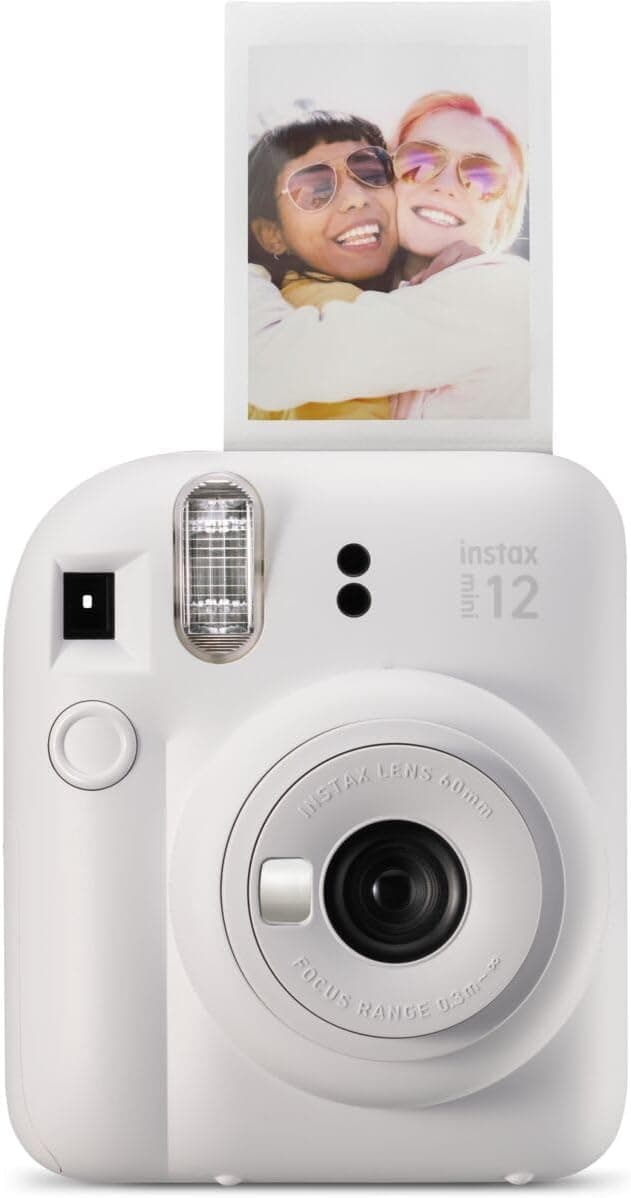
Fujifilm Instax Mini 12 Instant Film Camera, Clay White
The best camera for kids and beginners. Fully automatic exposure, simple one-button operation, selfie mirror for self-portraits, and a compact body that kids can actually hold. Comes in several soft colors. Runs on two AA batteries. Best for families who want a no-fuss camera for trips and everyday moments with the most manageable film cost on this list.
Fujifilm Instax Mini 99
The Instax Mini 99 is for families where at least one person wants a little more control over how the photos look. It uses the same Mini film as the Mini 12, but it adds five color effect modes: natural, warm, soft, vivid, and a light-leak mode that adds a warm glow to the edges of prints. There is also a manual brightness dial and a physical vignette switch.
The vintage-style design is genuinely pretty. The Mini 99 is a matte black camera with a retro aesthetic, and it is the one I would pull out at a family gathering or a special occasion where I want prints to look like more than snapshots. My older boys think it looks cool, which matters more than I expected.
The color effects are a real upgrade over the standard Instax look. The vivid mode saturates colors noticeably. The soft mode gives everything a diffused, slightly dreamy quality. The light-leak mode is hit or miss depending on the scene, but when it works it looks intentional and interesting rather than like a mistake.
The learning curve is slightly higher than the Mini 12. The brightness dial and color mode switch mean there are decisions to make before taking a shot, and the wrong settings produce an underexposed or oddly colored print. Older kids handle this easily. Younger ones get frustrated if they pick the wrong mode by accident. I think of this as the adult camera in our rotation, with the Mini 12 as the one anyone can grab.
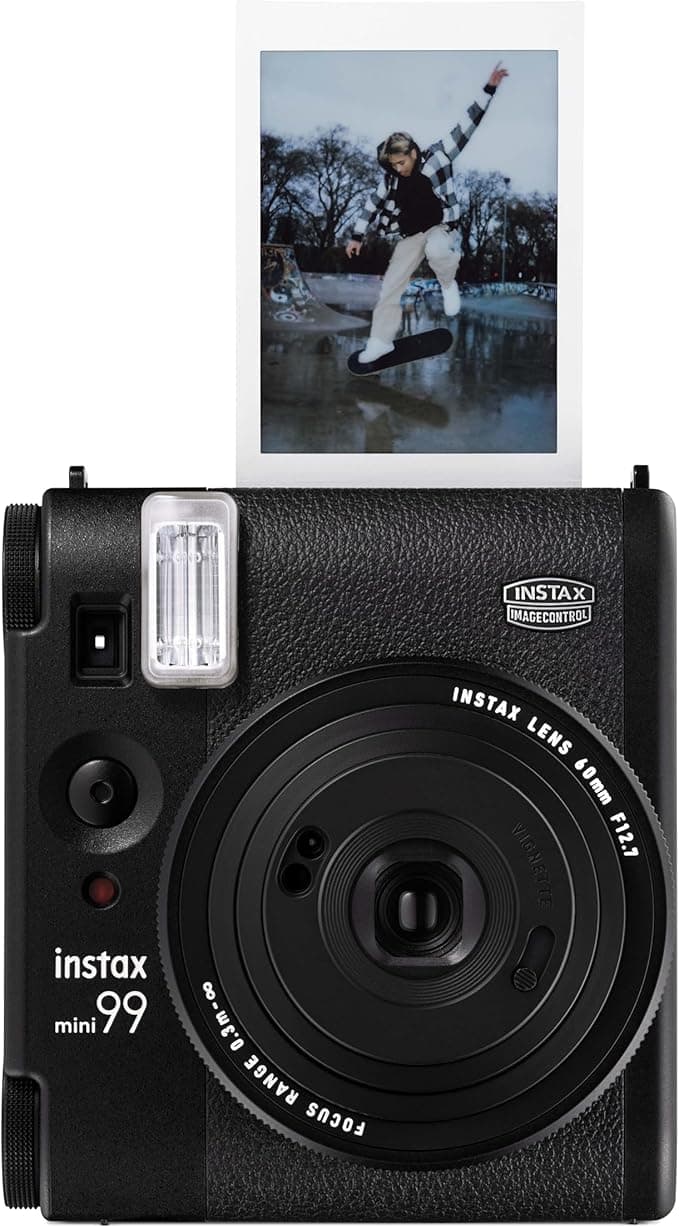
Fujifilm Instax Mini 99 Instant Film Camera
The most creative Instax on this list. Five color effect modes, manual brightness control, and a vignette switch let you shape how the prints look rather than just documenting a moment. Vintage-style matte black design. Same Mini film and same print size as the Mini 12. Best for older kids and adults who want more than a point-and-shoot experience.
Fujifilm Instax Wide 300
The Wide 300 makes a fundamentally different kind of print. Where Mini film produces something about the size of a credit card, Wide film prints at roughly 3.4 by 2.1 inches, almost twice as large. Holding a Wide print next to a Mini print is a real contrast, and for group shots at family gatherings the bigger format is noticeably better.
This is the camera I brought on our trip to visit family in California, specifically because we were going to be taking a lot of outdoor photos with a bigger group and I wanted prints worth keeping. Wide prints are much easier to write on the back, easier to display on a fridge, and easier to see clearly across a table. They just feel more substantial and less like a novelty than the Mini format.
The camera itself is larger than the Mini options, which is the main practical trade-off. It does not fit in a purse or a jacket pocket the way the Mini 12 does. It is more of a bring-it-in-a-bag camera than a toss-it-in-your-pocket one. For a planned day of activities or a family gathering where you know you want to use it, that is fine. For casual everyday carry, it is cumbersome.
Film cost is meaningfully higher. Wide film packs run about $20 to $25 for 10 shots, compared to $15 to $20 for 20 shots of Mini film. You are paying roughly twice as much per print. For special occasions where the bigger prints are worth it, that is a reasonable trade. For daily family use with kids snapping constantly, the math adds up quickly.
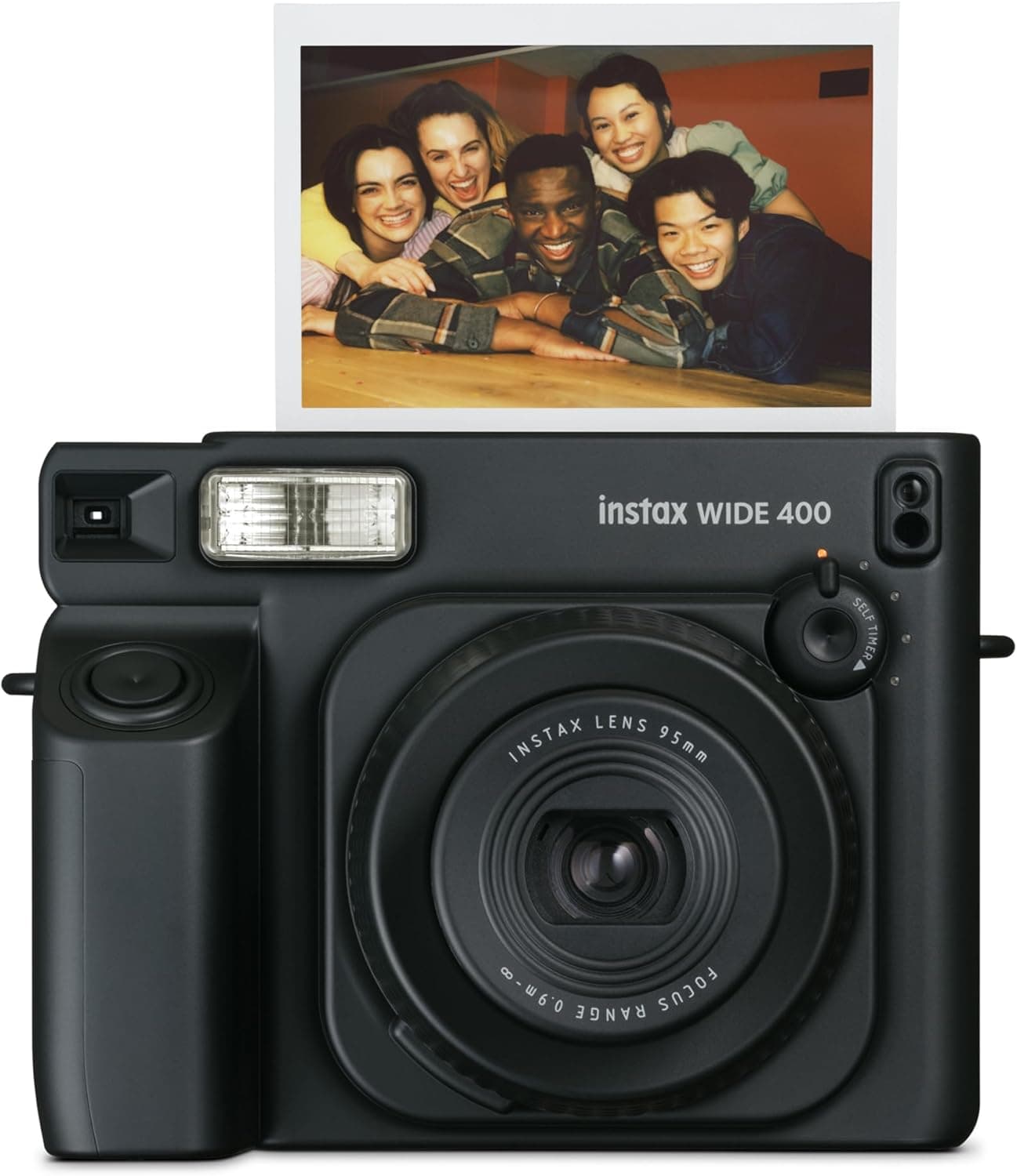
Fujifilm Instax Wide 300 Instant Film Camera (Black)
The best option for group photos and occasions where print size matters. Wide format film produces prints roughly twice the size of Mini, which works beautifully for family portraits and outdoor shots. Simple automatic exposure with a selfie mirror. Best for families who take planned photos at gatherings and events rather than casual everyday snapping, and are willing to pay more per print for a bigger result.
Polaroid Now+ Gen 2
The Polaroid Now+ is a different camera experience from any of the Instax options. It uses i-Type or 600 film and produces the classic square Polaroid prints with the white border, and it connects via Bluetooth to the Polaroid app on your phone, which unlocks creative shooting modes you cannot access through the camera controls alone.
The app modes are what make this one stand out. Double exposure, light painting, noise trigger, and self-timer are all available through the app. Double exposure layers two shots onto a single print. Light painting opens the shutter for a long exposure so you can trace shapes with a flashlight in a dark room. Noise trigger fires the shutter when it detects a loud sound, which my boys discovered makes for some genuinely surprising action shots.
The Polaroid aesthetic is distinct from Instax. The prints have slightly cooler tones and a different border style that reads more classically photographic. Some people strongly prefer this look, and the square format fits modern aesthetics in a way the wider Instax Mini rectangle does not.
The honest limitation is film cost. Each pack of 8 i-Type prints runs around $20, which works out to about $2.50 per photo. That is two to three times the cost of Instax Mini film per shot. For occasional use or special occasions, this is manageable. For a trip where kids want to take dozens of photos, it gets expensive fast. Going in with a clear sense of the per-print cost makes this a great choice rather than a frustrating one.
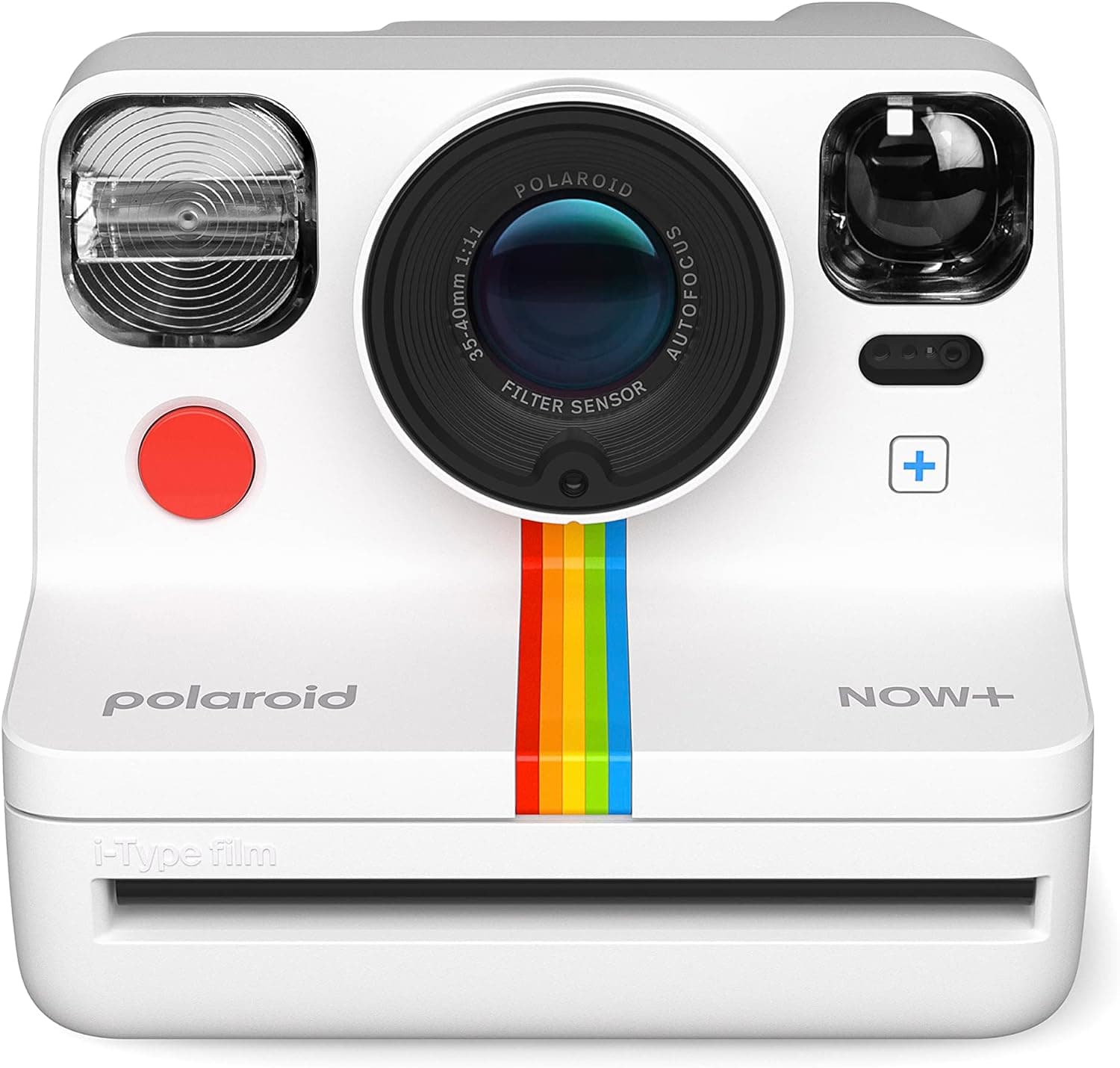
Polaroid Now+ 2nd Generation I-Type Instant Film Bluetooth Connected Camera - White
The best option for creative features and the classic Polaroid look. Bluetooth pairing with the Polaroid app unlocks double exposure, light painting, noise trigger, and self-timer modes. Classic square prints with the white border. Uses i-Type or 600 film. Best for families who want to experiment creatively with instant photography and are comfortable with the higher per-print cost.
Which One Is Right for Your Family
For a family with younger kids who want to hand the camera over and let them take pictures on their own, the Mini 12 is the clear choice. It is the easiest to use, produces consistent results, and has the most manageable film cost for heavy use.
For families where an older kid or an adult wants to get more creative, the Mini 99 is the upgrade that stays affordable to shoot. The color effects and controls are enough to make pictures feel deliberately styled, without the per-print cost jump of Wide or Polaroid film.
For occasions that deserve a bigger print, the Wide 300 is worth the extra cost and the larger camera size. Family reunions, beach trips, milestone birthdays. The bigger format makes prints feel like keepsakes.
If you are drawn to the Polaroid aesthetic and want app-connected creative features, the Now+ Gen 2 delivers both. Go in understanding the film cost and it is a genuinely enjoyable camera to use.
Frequently Asked Questions
You'll Also Love
- Best Road Trip Essentials for Families: gear that makes long drives with kids actually manageable, including the organizers and cooler we use on every trip.
- Best Portable Projectors for Family Movie Nights: another easy-to-set-up tech item that turns ordinary evenings into something the kids remember.
- Best Backyard Games for Kids: summer activities that get everyone outside and off screens.