Best Summer Camp Essentials for Kids (What We Always Pack)
Summer camp packing made simple: four essentials that actually make a difference, from a duffel bag kids can manage themselves to bug spray that lasts all day.
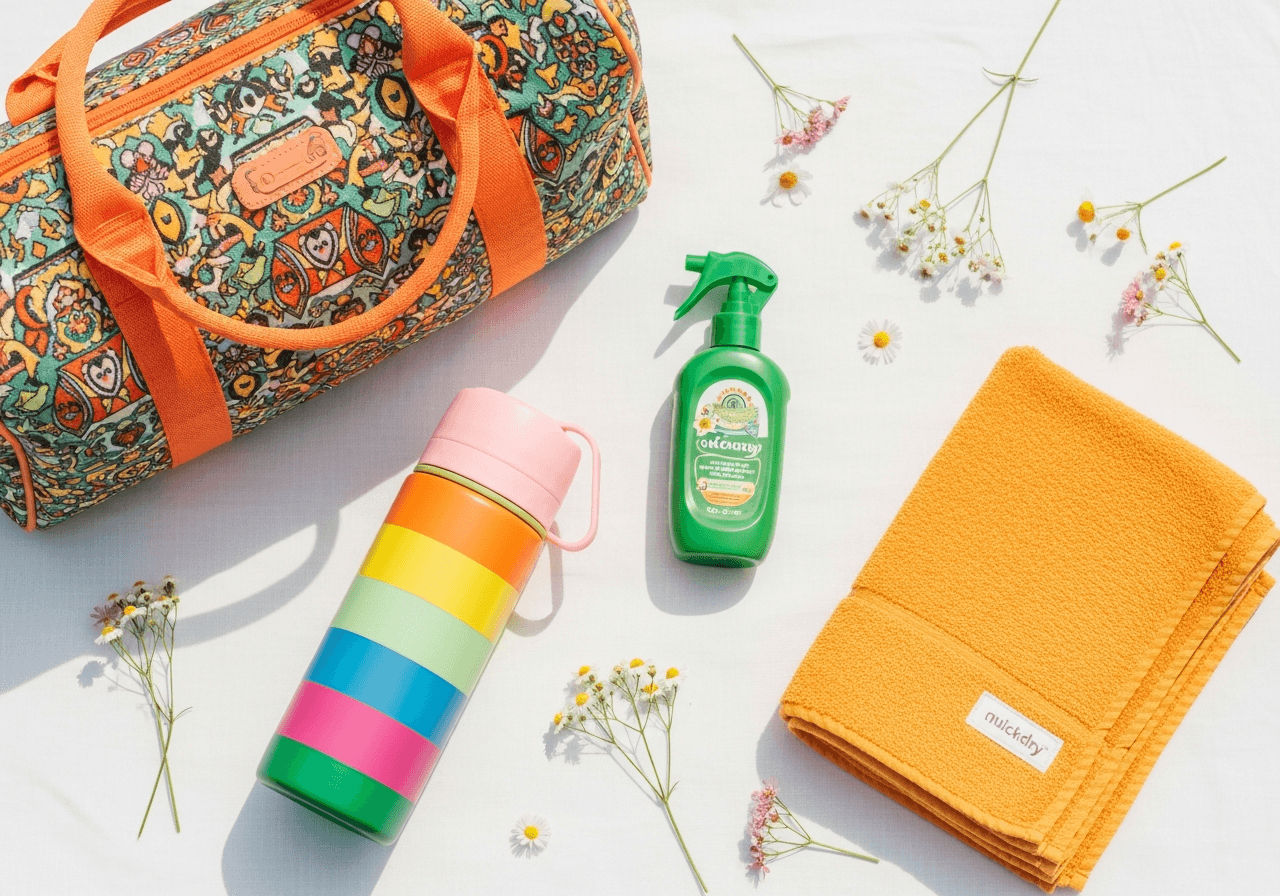
If you are sending a kid to camp for the first time, here is one thing people do not talk about enough: the gear matters way more than you would think. Send a child with a bag they cannot carry, a water bottle that is too hard to open, and bug spray that smells awful, and that is what they will remember. The wrong setup frustrates them before they even get through the gate, and it spills over into their whole experience.
So even though my own kids have not done sleepaway camp yet, I have done the research for when they do. I have talked to enough camp-seasoned moms, combed through the recommendations that come up again and again, and tested these products at our own pool days and park adventures to know what holds up. Here are the four things that consistently come out on top, plus a few thoughts on everything else that goes in the bag.
What Makes Camp Gear Actually Work for Kids
Before I get into specifics, here is the frame I use when evaluating anything for camp: can my kid manage it independently? That means they can open it, use it, close it, and carry it without help. If something requires a parent to operate, it is not going to work at a drop-off camp where you are not there to troubleshoot.
I also look for gear that holds up to real conditions. Camp is sweaty, outdoor, muddy, sunscreened, and sand-covered. Products that need gentle handling do not make the cut.
Wildkin Kids Overnighter Duffel Bag
The single thing that makes the biggest difference in how smoothly camp mornings go is a bag sized correctly for kids. It is tempting to grab an adult gym duffel or whatever is in the closet, but a bag that drags on the ground or requires two hands to manage creates friction before the day even starts.
The Wildkin Overnighter is sized at 18 by 9 by 9 inches, which is just right for a week of day camp or an overnight trip without being so big that it becomes unwieldy for a seven-year-old to drag. Kids can zip and unzip it independently, find what they need without dumping the whole thing out, and carry it on their shoulder without it dragging on the ground.
The interior is moisture-resistant, which matters for camp. Wet swimsuits, damp towels, sandy shoes: camp gear gets gross, and a bag that resists moisture and wipes clean inside is the difference between using the same bag for multiple seasons or replacing it after one. The outside is constructed with the kind of stitching that survives being thrown into car trunks and piled under benches.
The prints come in a wide range of options across different developmental stages, and kids always have strong opinions about which one is theirs. Letting them pick the print is a small way to build ownership and investment in keeping track of their stuff.
Honest limitation: the Wildkin Overnighter is genuinely an overnight bag, not a serious hiking or travel duffel for older kids. If you have a teenager going to a two-week sleepaway camp and bringing a full wardrobe, they need something with more capacity and structural support. This bag is sized and built for the elementary-school age range.
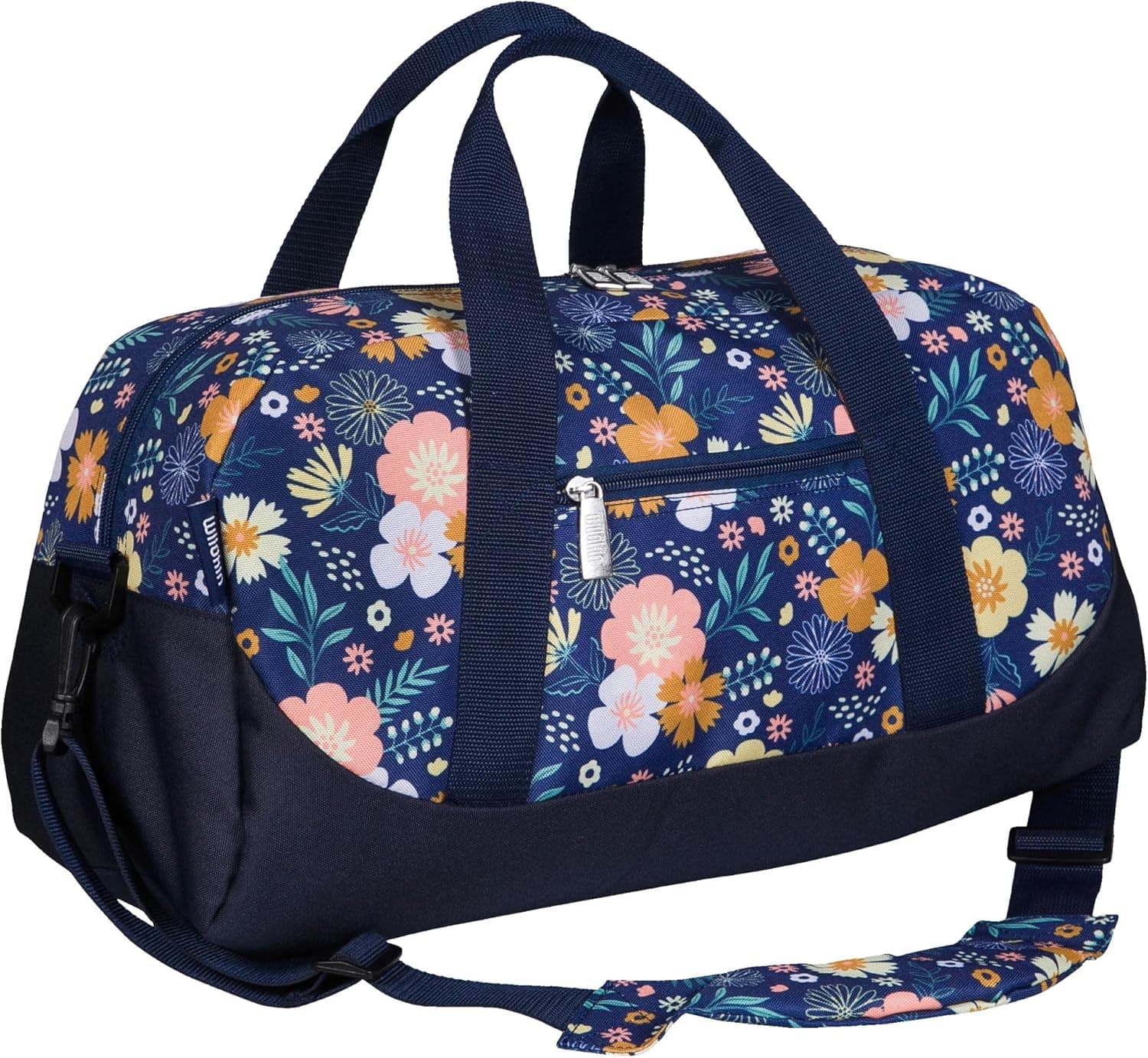
Wildkin Kids Overnighter Duffel Bag, Wildflower Bloom
An 18 x 9 x 9 inch duffel sized for kids to manage themselves, with moisture-resistant interior lining and durable construction that survives real camp conditions. Removable padded shoulder strap and two top carrying handles. Wide range of prints across multiple colorways. Sized right for elementary school kids at day camp or overnights, not for teens who need more volume.
Simple Modern Kids Water Bottle with Straw Lid
My rule for camp water bottles is that they have to be insulated stainless steel with a straw lid that kids can open one-handed. Plastic water bottles get soft in the heat, leak into the bag, and stop sealing reliably after a month.
The Simple Modern Summit is the bottle that consistently tops camp packing lists. The 18-ounce size is enough for a half-day outdoor activity without being too heavy for a kid to carry. The straw lid flips open with a button and closes securely, which means no unsupervised spills in the bag. The vacuum insulation keeps water cold for six or more hours, which is meaningful when camp is outside in summer and the alternative is warm water that kids will not drink.
The bottle itself is BPA-free stainless steel, dishwasher-safe on the top rack, and the straw is replaceable if it gets chewed or loses its seal. That last detail matters more than you would think, because straw bottles are notoriously the item kids fidget with constantly, and replaceable straws mean a three-dollar fix instead of a full replacement.
This bottle holds up to field trips, soccer practice, road trips, and being dropped on concrete. It still works exactly as it did out of the box.
One honest caveat: the straw-lid design does require periodic cleaning or the straw will develop buildup. A straw cleaning brush is worth keeping with your kitchen supplies. Clean the straw and lid once a week during active use and it stays fresh. Skip cleaning for a month and you will notice it.
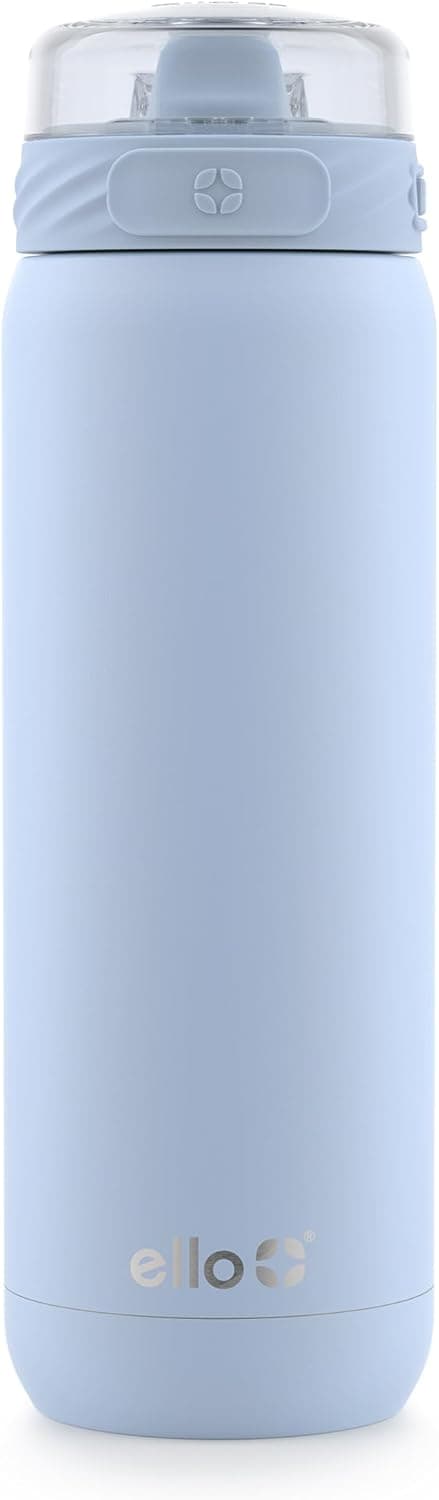
Simple Modern Kids Water Bottle with Straw Lid 18oz, Summit Collection
An 18-ounce insulated stainless steel water bottle with a one-handed flip-straw lid designed for kids. Keeps water cold for six or more hours, BPA-free, dishwasher-safe top rack, and available in kid-friendly colorways. The straw is replaceable when worn. Requires regular straw cleaning to stay hygienic, but holds up exceptionally well to daily camp use and drops.
Sawyer Products Picaridin Insect Repellent Pump Spray
Bug spray is the item parents regret most when they forget it or send the wrong one. Camp means outdoor time during peak bug hours, and DEET-based sprays, while effective, come with concerns about skin sensitivity and fabric damage that make them less ideal for young kids wearing them daily over a full summer.
Sawyer Picaridin is the alternative that has become the go-to for good reason. Picaridin is the active ingredient recommended by the CDC for repelling mosquitoes and ticks. At 20 percent concentration it provides protection equivalent to DEET-based formulas without the strong chemical smell, without damaging synthetic fabrics, and without the skin-feel that many kids and adults dislike about DEET products.
The pump spray format is what makes this work for camp. Kids can apply it themselves to their legs and arms without needing help, which is important when you are not there and the counselor has 15 children to supervise. The pump applies a fine, even mist, dries quickly, and does not leave a greasy residue.
Sawyer Picaridin covers mosquitoes, ticks, and biting flies, which are the three categories that matter most at outdoor camps in most regions of the United States. It provides meaningful protection for up to eight hours on a single application.
The limitation worth knowing: picaridin is effective but not unlimited. If camp involves extended time in dense tick habitat, like brushy woodland edges or tall grass, a permethrin spray on clothing adds another layer of protection that skin-applied repellents cannot match. For heavily wooded environments, use both in combination. For standard outdoor camp in open areas, the Sawyer alone is sufficient.
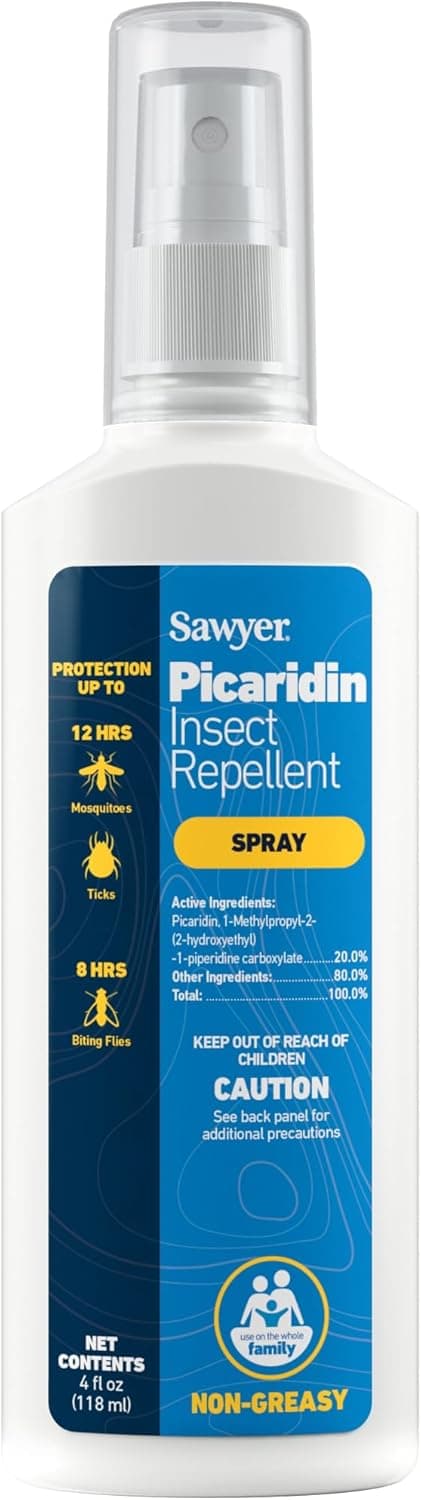
Sawyer Products Picaridin Insect Repellent 20%, Pump Spray
A CDC-recommended picaridin-based insect repellent at 20% concentration. Repels mosquitoes, ticks, and biting flies for up to eight hours without damaging synthetic fabrics or leaving the greasy skin-feel associated with DEET. Pump spray format kids can apply themselves. No harsh smell. Better for daily summer use on children than DEET-based alternatives.
PackTowl Personal Quick-Dry Microfiber Towel
Full-size bath towels are the classic camp packing mistake. They take up a third of the bag, they are still damp by the next morning, and by the end of the first week they smell like a pool that has seen better days.
The PackTowl Personal is a microfiber towel that dries in a fraction of the time of a cotton towel, compresses to the size of a small rolled t-shirt, and holds up to repeated use without getting musty the way cotton does when it is not fully dried between uses. The Body size (25 by 54 inches) gives kids enough coverage for post-swim drying at water activities or splash pads without being the bulky fabric burden of a standard bath towel.
Microfiber is significantly more absorbent per weight than cotton, which sounds like a small technical distinction but in practice means a small towel that still works. The PackTowl also has a hanging snap loop, which lets kids hang it at their hook at camp to dry between uses rather than shoving a damp towel back into a bag.
What to watch for: microfiber towels feel different from cotton towels, and younger kids sometimes resist this. If your child is very tactile-sensitive, introducing it at home before camp starts helps them adjust. Also, microfiber should be washed without fabric softener or dryer sheets, which coat the fibers and dramatically reduce absorbency over time.
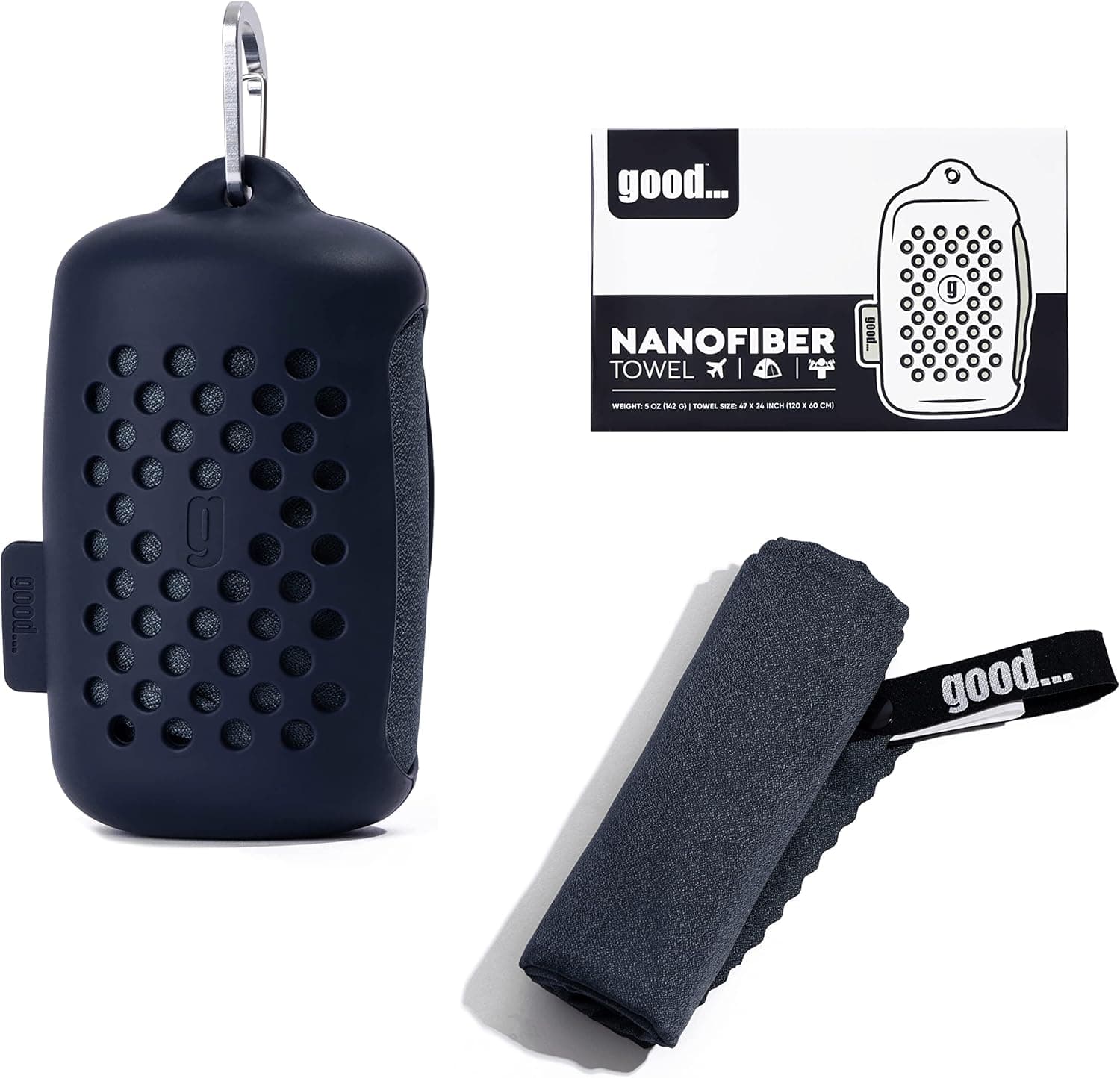
PackTowl Personal Quick Dry Microfiber Towel for Camping
A highly absorbent microfiber towel that dries significantly faster than cotton, packs to the size of a rolled t-shirt, and resists the musty odor cotton towels develop after repeated camp use. Comes with a hanging snap loop for drying between activities. Available in multiple sizes; the Body size (25 x 54 inches) works for post-swim drying. Avoid fabric softener to maintain absorbency.
What Else Goes in the Bag
Beyond the four products above, here is what to pack consistently and why.
Sunscreen, reapplication size. Camp directors ask you to apply sunscreen before drop-off, but kids are outside for hours and SPF needs reapplying. A small spray sunscreen the counselor can use at midday makes a real difference. Look for broad-spectrum SPF 50, and spray format is easiest for counselors applying to groups.
Labeled snack container. Even if camp provides lunch, an afternoon snack that is clearly theirs prevents the social complexity of sharing or trading that inevitably leads to a child with a nut allergy eating something they should not. A reusable container with their name prevents confusion.
Lip balm with SPF. Lips burn and no one thinks about them. Throw in an SPF lip balm and ask the counselor to remind kids to use it mid-morning.
Change of clothes in a drawstring bag. Water activities, spilled food, and general camp chaos mean at least one change of clothes should live in the main bag. A small drawstring bag keeps the clean clothes separate from the rest of the bag contents.
Allergy and medical note in a labeled pocket. If your child has any allergies or medical needs, keep a written note in a consistent, labeled spot in the bag. Counselors appreciate this, and it stays relevant even if there is a staff change mid-session.
The Thing That Does Not Work
Cheap, camp-branded reusable water bottles from discount bins are tempting because they only cost a few dollars and it feels like it will not matter if they get lost. The problem is they are neither insulated nor sealed well, so kids drink less because lukewarm water on a hot day is not appealing, and leaking into the bag is almost guaranteed. The few dollars saved upfront cost you in damp towels and a soggy snack container.
Cheap also does not survive the drop test. Camp water bottles get dropped a lot, on asphalt and concrete. A bottle that dents or cracks at the first impact is useless by week two.