Kids' Craft Projects by Age: Fun Ideas for Every Stage
Age-appropriate craft projects for kids from toddlers to tweens, easy ideas, mess management tips, and supplies to keep on hand for creative fun at every stage.

If there's one thing I've learned as a homeschooling mom, it's that the right craft at the right age makes all the difference. Give a toddler a glue stick and glitter? You'll be finding sparkles in your hair for a week. Hand a ten-year-old a finger painting project? You'll get the most dramatic eye roll of your life.
Crafting with kids is one of my favorite things, but it took me a while to figure out what works when. The sweet spot is finding projects that challenge them just enough to feel proud without frustrating them so much they quit (or melt down, we've all been there).
Here's what I've found works best at each age, plus the supplies and mess management strategies that keep the whole thing enjoyable for everyone.
Toddler Crafts (Ages 1-3)
At this age, crafting is about sensory exploration and process, not product. The finished piece will look like a beautiful mess, and that's exactly right.
Contact paper collage. Tape a piece of clear contact paper (sticky side up) to the table or wall. Let them stick on torn tissue paper, leaves, feathers, fabric scraps, pom poms, whatever you have. No glue needed. When they're done, press another sheet on top and you have a "stained glass" piece to hang in the window.
Dot painting. Use bingo daubers or dot markers on large paper. Toddlers love the stamping motion and the immediate reward of seeing bright circles appear. This is also secretly great for fine motor development.
Playdough creations. Homemade playdough is easy, cheap, and lasts for weeks in a sealed container. Let them squish, roll, poke, and cut with cookie cutters. Add nature items like sticks, leaves, and rocks for extra interest, a wonderful extension of nature-based learning.
Paper plate animals. Pre-cut some shapes, have them glue on eyes and features. A paper plate with pre-cut triangle ears becomes a cat. Add a cotton ball tail and you've made a bunny. Keep expectations low and narrate what they're doing rather than directing.
Sensory bins. Fill a shallow bin with rice, dried pasta, or water beads. Add scoops, cups, and small toys. It's technically more sensory play than "craft," but it builds the same creative and motor skills that lead to crafting later.
Key toddler supply: Washable everything. Washable markers, washable paint, washable glue sticks. Trust me on this, it will save your furniture, your sanity, and probably a few outfits.
Preschool Crafts (Ages 3-5)
Preschoolers are starting to have ideas about what they want to make. They can follow simple steps and are developing the fine motor control for cutting (with safety scissors) and more precise gluing.
Nature collages. Go on a walk and collect treasures, leaves, flowers, sticks, pebbles. Back home, glue them onto cardstock to make a nature picture. This connects outdoor exploration with creative expression.
Handprint art. Paint their hand, press it on paper, turn it into an animal, flower, or tree. These are also wonderful keepsakes. I have a framed handprint turkey from each of my kids and they're some of my most treasured pieces in the house.
Scissor practice strips. Draw lines (straight, wavy, zigzag) on paper and let them practice cutting along them. Then use the cut strips to make paper chains, crowns, or weaving projects.
Simple threading and lacing. Punch holes around the edge of paper plates or cardboard shapes. Give them yarn with a taped "needle" end and let them lace through. It's meditative for them and fantastic for coordination.
Painted rocks. Collect smooth rocks, paint them with acrylic paint, seal with clear coat. They can make ladybugs, monsters, emoji faces, whatever inspires them. These make great gifts for grandparents.
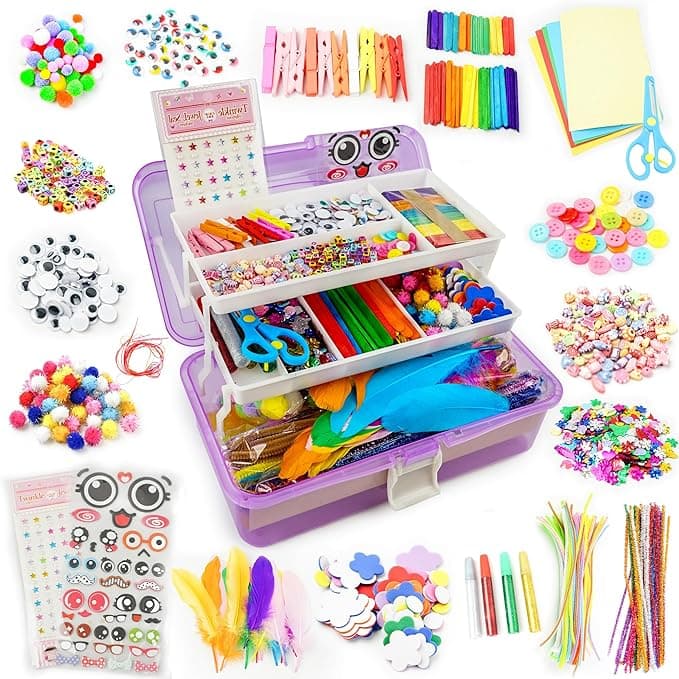
Washable Kids' Craft Supply Kit (Paint, Markers, Glue, Scissors)
Everything you need for preschool-age crafting in one box, washable paint, jumbo markers, safety scissors, glue sticks, and construction paper.
Elementary Crafts (Ages 6-9)
This is where crafting gets really fun because they can follow multi-step instructions, use real tools with supervision, and their creations start looking like what they intended. This is also the age where they start having opinions about what they want to make, which is wonderful. Let them choose projects and make design decisions whenever possible.
If you homeschool, this is a golden age for integrating crafts into learning. Geography projects become diorama-building sessions. History lessons turn into period costume design. Science experiments become art when you grow crystals or make volcanoes. The line between "craft time" and "school time" gets beautifully blurry.
Friendship bracelets. The classic for good reason. Start with simple three-strand braids and work up to more complex knotting patterns. This is one of those skills they'll teach each other at the park and feel incredibly proud of.
Origami. Start with simple folds, fortune tellers, paper airplanes, jumping frogs. Progress to cranes and flowers. Origami teaches patience, precision, and spatial thinking. It's also free, all you need is paper.
DIY journals and notebooks. Fold paper, add a cardstock cover, bind with staples or yarn. They can decorate the covers however they like and use the journals for drawing, writing stories, or pressing flowers.
Simple hand sewing. This is a great age to introduce a needle and thread. Start with felt, it's forgiving and doesn't fray. They can make small pouches, bookmarks, or stuffed animals with a simple whip stitch. Check out my beginner sewing projects post for ideas that work well for this age group too.
Birdhouse decorating. Buy unfinished wooden birdhouses from the craft store and let them paint and decorate to their hearts' content. Hang the finished birdhouses outside and watch for visitors.
Tween Crafts (Ages 10-12)
Tweens want projects that feel grown-up and produce results they'd actually use or display. The key is respecting their taste and giving them room to make choices.
Resin jewelry. With supervision, tweens can make stunning resin pendants and keychains with dried flowers, glitter, or tiny charms embedded inside. This requires patience (resin takes 24 hours to cure) and careful measurement, which is great for this age.
Tie-dye. A perennial favorite for a reason. Get a tie-dye kit, sacrifice some white t-shirts, and let them experiment with folding techniques. Do this outside. I cannot stress this enough, do this outside.
Candle making. Older kids can participate in candle making with supervision. Let them choose scents and colors. See my candle making guide for the full process.
Macrame plant hangers. Basic macrame knots are straightforward to learn, and the finished product is something they'll genuinely want in their room. Pair it with a small houseplant and they have a beautiful handmade piece.
Upcycled fashion. Tweens often love customizing their clothes. Fabric paint, iron-on patches, bleach designs on dark shirts (supervised), adding trim or embroidery to denim jackets, this taps into their growing sense of personal style.
Scrapbooking and journaling. Give them a blank journal, some washi tape, stickers, and printed photos. Tweens are surprisingly reflective, and creating a visual journal or scrapbook gives them a creative outlet for processing their world. This is also a sneaky way to encourage writing.
Soap or bath bomb making. Melt-and-pour soap bases are easy and safe for this age group. Add colors, scents, and small embeds. Bath bombs are a little messier but endlessly entertaining. Both make great gifts and teach basic chemistry concepts.
Mess Management Strategies
Let's be honest, the mess is the part that makes parents hesitant about crafting. Here's how I keep it manageable:
Designate a craft zone. We have a table in the kitchen covered with a vinyl tablecloth that I can wipe down in seconds. Having one spot for crafts means the mess stays contained.
Smocks or old shirts. An oversized adult t-shirt worn backwards makes a perfect smock. My kids each have a designated "painting shirt" they throw on over their clothes.
Prep before you start. Put out only the supplies they need, pre-cut what you can, pour paint into small cups rather than letting them access the whole bottle. Five minutes of prep saves twenty minutes of cleanup.
Make cleanup part of the activity. From toddler age, my kids know that putting away supplies is part of crafting. We sing a cleanup song when they're little and it becomes habit by the time they're older.
Accept some mess. This is important. Crafting is messy by nature. If you're tense about spills and drips the whole time, nobody has fun. Protect what needs protecting, and then let them create freely.
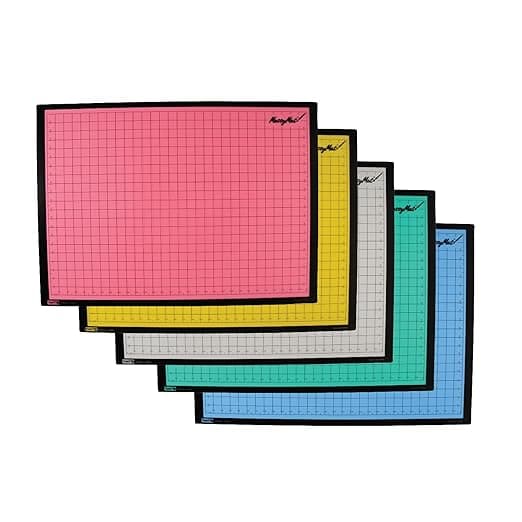
Constructive Playthings Messy Mats, Set of 5 Large Vinyl Splat Mats
Tear-off paper mats that protect your table from paint, glue, and markers. Toss when done, no scrubbing required.
Supplies Worth Keeping Stocked
Having a basic craft supply stash means you can say yes to spontaneous crafting without a store run. Here's what I always have on hand:
- Construction paper and cardstock
- Washable markers, crayons, and colored pencils
- Glue sticks and white school glue
- Safety scissors and regular scissors
- Tape (masking, clear, and washi)
- Pipe cleaners, pom poms, googly eyes
- Paint (washable tempera for little ones, acrylic for older kids)
- Felt sheets in assorted colors
- Buttons, beads, and ribbon scraps
I keep everything organized in a set of clear stackable bins. The kids can see what's available and help themselves for the age-appropriate stuff, which encourages independent creativity.
Crafting with kids isn't about creating Pinterest-perfect results. It's about giving them space to experiment, make mistakes, get messy, and feel proud of something they made with their own hands. Match the project to the kid, keep your expectations flexible, and have fun with it.