Outdoor Activities for Kids in Every Season (100+ Ideas)
100+ outdoor activities for kids organized by season. Spring, summer, fall, and winter ideas that get your family outside year-round.
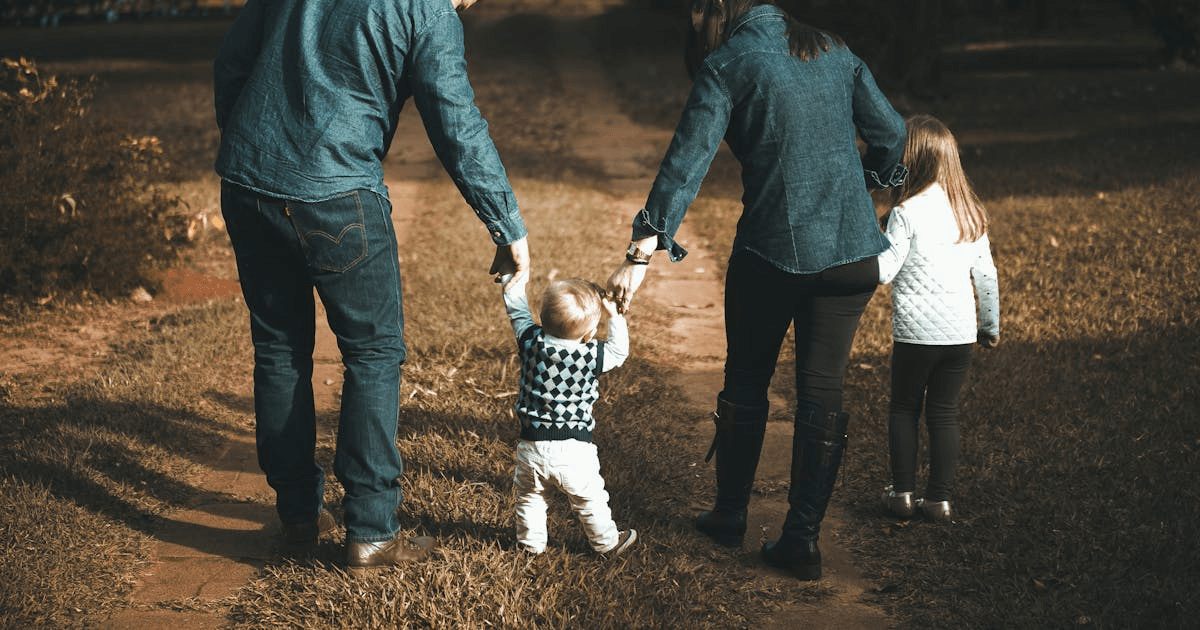
My kids are better humans when they spend time outside. I don't say that as a cute, inspirational quote for a throw pillow, I mean it literally. When they get enough outdoor time, they're calmer, more creative, less prone to meltdowns, and they sleep like rocks. When they don't, everything is harder. The research backs this up: time in nature reduces stress hormones, improves attention spans, boosts immune function, and supports emotional regulation in kids. But you probably don't need a study to tell you what you already observe in your own house.
The challenge isn't convincing anyone that outside time matters. The challenge is figuring out what to actually do out there, especially when the weather isn't cooperating or you're fresh out of ideas. That's what this post is for, a massive, season-by-season list of outdoor activities that work for real families, real weather, and real kids who sometimes say "I'm bored" thirty seconds after stepping outside.
You don't need a big yard. You don't need special equipment. You don't need to live near the mountains or the ocean. A sidewalk, a patch of grass, a neighborhood park, or even a balcony with some potted plants is enough. The magic isn't in the location, it's in the consistency of getting out there.
Spring Activities
Spring is renewal energy, everything is coming back to life, the kids are ready to burst out of the house after winter, and the weather is unpredictable enough to keep things interesting.
Gardening with kids. This is one of the most valuable outdoor activities you can do with children. Even a few pots on a patio counts. Let each kid pick a seed to plant and be responsible for watering it. Sunflowers, cherry tomatoes, and herbs like basil are great starters because they're hard to kill and satisfying to watch grow. My kids check their plants first thing every morning, and the patience they've learned from waiting for a seed to sprout has transferred to other areas of their lives.
Mud kitchen play. Set up an old table or shelf outside with pots, pans, spoons, and cups. Add water. Stand back. Mud kitchen play is sensory-rich, creative, and will keep kids occupied for an astonishing amount of time. Yes, they will get filthy. That's the point. Hose them off before they come inside and call it a win.
Puddle jumping and rain walks. Don't wait for good weather, put on rain boots and go walk in it. We bring umbrellas, stomp in every puddle we find, and look for worms on the sidewalk. My kids think rain walks are a special event, and it costs nothing.
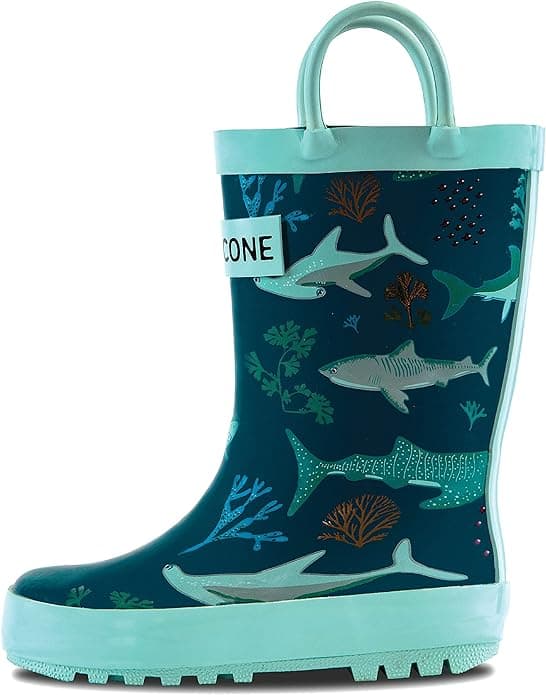
LONECONE Kids Rain Boots, Waterproof Rubber Boots with Fun Patterns
Durable, fully waterproof rain boots in kid-friendly prints that make puddle jumping and mud kitchen play an instant yes instead of a "you'll ruin your shoes" standoff.
Bug hunts. Grab a magnifying glass and go looking. Flip over rocks, check under logs, look in the garden. Keep a simple nature journal to sketch or list what you find. This turns a walk into a mission, and kids love missions.
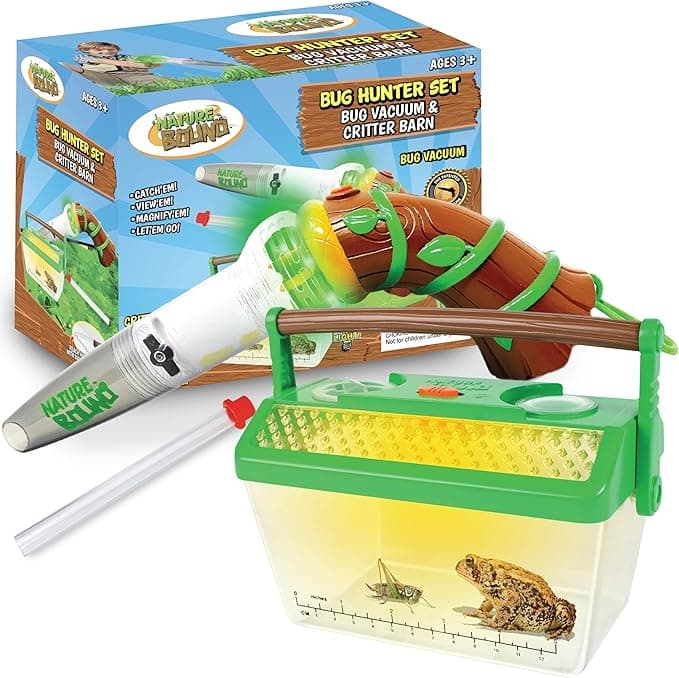
Nature Bound Bug Catcher Vacuum, Eco-Friendly Catch and Release with Magnification
A gentle suction bug catcher with a built-in magnifying capture core, so kids can safely collect, observe, and release bugs on any backyard adventure.
Bird watching for beginners. Put up a simple bird feeder near a window and keep a bird identification book nearby. The Merlin Bird ID app is free and can identify birds by their song, my kids think this is actual magic. Once they learn to recognize a few species, they spot them everywhere.
Nature scavenger hunts. Make a simple list: something red, something soft, something that makes a sound, a feather, three different leaf shapes. Hand them a bag and let them go. You can make these seasonal and do them over and over with different lists.
Fly kites. Spring wind exists for this purpose. You don't need a fancy kite, the cheap ones from the dollar store work perfectly fine and your kids will not know or care about the difference.
Plant a sensory garden. Even a few containers on a patio can hold plants that engage all the senses, lamb's ear for touch, lavender for smell, cherry tomatoes for taste, marigolds for color, ornamental grasses for sound in the wind. Let kids choose the plants and tend them. A sensory garden becomes an outdoor destination they want to visit every day.
Go on a color walk. Pick a color and spend the whole walk looking for things in that color. You'd be surprised how much kids notice when they're on a mission. My 7-year-old once found seventeen different shades of green on a single block. It's a simple structure that transforms an ordinary walk into an observation game.
Summer Activities
Summer is the season of long days, warm evenings, and the freedom to just be outside for hours. These are the activities that define our summers:
Water play in all its forms. Sprinklers, water balloons, water tables, kiddie pools, slip-and-slides, water guns, the garden hose. When it's hot, water is the answer to every boredom complaint. We set up a water station in the backyard on hot days and the kids will play for the entire afternoon.
Backyard camping. Set up a tent in the yard, make s'mores on a fire pit or indoor stove, bring out flashlights and sleeping bags. For younger kids, this is all the adventure of camping with the safety net of a bathroom twenty feet away. We do this at least once a month in summer, and the kids act like it's the most exciting thing that has ever happened.
Creek and stream exploration. If you have access to any body of moving water, go explore it. Catch crawdads, turn over rocks, build small dams, look for minnows. Bring a bucket and a net. Creek time is some of the most engaged, focused play I've ever seen from my kids.
Nature hikes with a purpose. A regular walk becomes an adventure when you give it a goal. Hike to a specific lookout point. Try to identify five different trees. Look for animal tracks. Collect interesting rocks. The purpose doesn't have to be educational, "hike to the big rock and have a snack" is a perfectly valid purpose for a four-year-old.
Sidewalk chalk art. Buy the big, chunky chalk and let them take over the driveway. Trace bodies, create obstacle courses, draw roads for toy cars, make a hopscotch grid. Chalk washes away in the rain, so there's no cleanup and no permanence, just pure creative play.
Outdoor art. Bring watercolors, crayons, or colored pencils outside and paint what you see. This combines art with nature observation, and there's something about creating art outdoors that makes it feel different than doing the same activity at the kitchen table.
Berry picking. Find a local pick-your-own farm and spend a morning filling baskets. Kids eat half of what they pick (budget accordingly), but the experience of getting food directly from the plant is genuinely meaningful. We go strawberry picking in June and blueberry picking in July, and it's one of our family traditions.
Catch fireflies. Summer evenings don't get more magical than this. A mason jar with holes poked in the lid, the gradual darkening of the sky, and the thrill of spotting the first flicker. Always release them before bed.
Outdoor obstacle courses. Set up a backyard obstacle course using whatever you have, jump over the pool noodle, crawl under the lawn chair, balance along the garden hose, toss a ball into a bucket. Time them. Let them redesign it. This entertains kids for an absurd amount of time and costs nothing.
Nature journaling and outdoor art. Summer is the richest season for nature observation. Bring a sketchbook and some colored pencils to the backyard, a park, or a hiking trail and draw what you see. Flowers, insects, leaves, cloud formations. It slows kids down in the best way and trains their observation skills.
Fall Activities
Fall is sensory overload in the best way, the colors, the smells, the crunch of leaves underfoot. These are the activities that make fall feel like fall:
Leaf collection and identification. Gather different types of leaves and press them in heavy books. Use a tree identification guide to figure out what they are. We tape our pressed leaves into nature journals with labels, and it's become a beautiful seasonal record.
Apple picking. Another pick-your-own farm activity that's become a family tradition for us. Go early in the season for the best selection, and then come home and make applesauce, apple crisp, or just eat them as-is.
Nature walks focused on change. Fall is the perfect time to walk the same route weekly and observe how things change. Which trees lose their leaves first? When do the geese start flying south? What happens to the garden as temperatures drop? This kind of repeated observation builds scientific thinking naturally.
Leaf pile jumping. Rake the biggest leaf pile you can manage and let them destroy it. Then rake it again. Repeat. Simple, free, endlessly entertaining.
Pumpkin patch visits. Go for the experience, not just the pumpkin. Many patches have hay rides, corn mazes, and farm animals. Let the kids each pick their own pumpkin and carve or paint it at home.
Build a scarecrow. Old clothes, straw or newspaper stuffing, and a stick frame. This is a surprisingly fun family project, and kids love seeing their creation in the yard.
Fall nature crafts. Acorn people, pinecone bird feeders, leaf rubbings, stick frame photo holders. Nature provides all the materials, you just need glue, string, and a little imagination. We keep a collection basket by the back door in fall and the kids add interesting finds to it all season long. By November, we have enough natural materials for a dozen craft projects.
Cook outdoors. Fall weather is perfect for outdoor cooking, campfire roasted marshmallows, hot dogs on sticks, foil packet dinners, Dutch oven apple cobbler. Cooking over a fire is a skill and an experience, and kids are mesmerized by it. Even something as simple as roasting marshmallows in the backyard fire pit feels like an event.
Harvest the garden. If you planted in spring, fall is when the payoff comes. Pulling carrots, picking the last tomatoes, harvesting pumpkins and squash, kids who grew it are invested in a way that makes even vegetable-resistant eaters willing to try what they produced.
Outdoor reading. Fall weather is ideal for reading outside, not too hot, not too cold, and the scenery is gorgeous. Spread a blanket under a tree, bring some books and hot cider, and read together. It combines two of our favorite things and makes both feel like a treat.
Bike rides through changing landscapes. Fall is one of the best seasons for family bike rides. The cooler temperatures make physical activity more comfortable, and riding through neighborhoods or trails lined with changing leaves is genuinely beautiful. We do a weekly fall bike ride and it's become one of our favorite seasonal traditions.
Winter Activities
Winter can feel like a sentence, especially in colder climates. But there's genuine magic in winter outdoor play if you dress for it and embrace the cold. Our rule: there's no bad weather, only bad clothing.
Snow play (if you have it). Snowmen, snow forts, snow angels, sledding, snowball fights, snow painting (spray bottles with water and food coloring). Snow turns your entire yard into a blank canvas. Dress in layers, rotate wet gloves, and keep hot chocolate on standby. Pro tip: have a station set up inside the door for wet clothes, a boot tray, hooks for coats, and a basket for soggy gloves. Smooth re-entry after snow play means you'll be more willing to let them go back out.
Winter nature walks. The landscape looks completely different in winter, and that's the point. Look for animal tracks in the snow or mud. Notice which trees keep their leaves and which don't. Listen to how different the world sounds without the buffer of leaves. Winter walks are quieter and more contemplative, and kids often notice things they'd miss in busier seasons.
Feed the birds. Birds need extra help in winter, and this is a wonderful ongoing project. Make pinecone bird feeders (pine cone + peanut butter + birdseed), hang suet cakes, and keep feeders filled. Then watch from the window and identify who comes to visit. The regularity of this, checking and refilling, teaches responsibility in a gentle way.
Build outdoor forts. Use fallen branches, tarps, old blankets, or whatever you have. Fort building is engineering, problem-solving, and teamwork wrapped in play. Our kids have spent entire winter afternoons constructing and improving their outdoor forts.
Star gazing. Winter nights are some of the clearest and best for seeing stars. Bundle up, bring a blanket to lie on, and use a star chart or app to identify constellations. My kids were stunned the first time they could clearly see the Milky Way on a cold, clear night.
Outdoor scavenger hunts (winter edition). Look for: an icicle, something green, animal tracks, a bird, a pinecone, something frozen, a red berry. Winter scavenger hunts force you to look more carefully because there's less to see, and that careful looking is a skill worth developing.
Bonfire nights. If you have a fire pit, use it year-round. Winter bonfires with marshmallows, hot chocolate, and stories are some of our best family memories. The combination of cold air and warm fire is uniquely cozy.
Winter photography walks. Hand your kid a camera (even an old phone will do) and let them photograph the winter landscape. Frost on leaves, icicles, bare tree silhouettes, animal tracks, winter has a stark beauty that's perfect for learning composition and observation. Print the best shots and make a winter photo journal.
Ice experiments. Fill containers with water and small natural objects (berries, leaves, flowers) and leave them outside overnight to freeze. The resulting ice sculptures are gorgeous and the entire process, choosing objects, predicting what will happen, observing the results, is hands-on science without any formal lesson structure.
Making Outdoor Time a Habit
The activities matter less than the consistency. Here's what's helped us make outside time a daily default:
Go out at the same time every day. For us, it's after morning lessons and after lunch. It's not a decision we make each day, it's just what happens next in our routine.
Lower the bar. Outdoor time doesn't have to be an activity. It can be sitting on the porch while they ride bikes. It can be ten minutes in the backyard before dinner. Not every outdoor session needs a plan. Some of our best outdoor days have been the ones where I sat on the step with a coffee while the kids invented their own game with sticks and rocks. You don't have to be the entertainment director, just open the door.
Keep gear accessible. Rain boots by the door, sunscreen in the basket by the exit, water bottles filled and ready to grab. Removing friction makes it easier to just go. We have a "go outside" bin by the back door with sunscreen, bug spray, hats, and water bottles. Everything needed for an outdoor session is in one spot. When the barrier to going outside is zero, it happens more often.
Go out in all weather. The more you do this, the more normal it becomes. My kids barely register rain anymore, they just grab their boots and go. Resilience is built one drizzly Tuesday at a time.
Invite friends. Everything is more fun with company, and outdoor play is no exception. Having a friend over for a nature walk, a backyard adventure, or a trip to the creek turns a routine outing into a social event. Kids motivate each other outdoors in ways that don't happen inside.
Document it. Keep a simple nature journal or photo log. When kids look back at what they've seen, built, and explored over a season, they feel a sense of accomplishment and they're more motivated to keep going. We have a family nature journal on the shelf and the kids love flipping through past entries and remembering "that time we found the giant toad."
The activities on this list are starting points, not requirements. The best outdoor time is the kind that happens naturally, when stepping outside is so normal that nobody questions it, when mud on the shoes is expected, and when the answer to "I'm bored" is always "go outside." That's the goal. Everything else is just details.