Hormone Health Basics Every Woman Should Know
A clear guide to the key hormones that run your body, estrogen, progesterone, cortisol, thyroid, and more. Learn the signs of imbalance and when to test.

I spent most of my twenties and early thirties completely disconnected from what my hormones were actually doing. I knew estrogen and progesterone existed. I vaguely understood they had something to do with my period. But the idea that these hormones, along with cortisol, testosterone, and thyroid hormones, were silently orchestrating my energy, mood, sleep, metabolism, skin, and even my ability to think clearly? Nobody explained that part. So when things started feeling off, the unexplained fatigue, the stubborn weight, the anxiety that came from nowhere, I didn't even know hormones were the first place to look.
This post is the overview I wish someone had handed me years ago. Not a deep dive into one hormone, but a clear, practical map of all the major players, how they interact, what goes wrong, and how to actually find out where you stand. Whether you're in your late twenties and just starting to pay attention to your body, in your thirties and noticing shifts, or deep in perimenopause and looking for answers, this is the foundation you need.

The Key Hormones You Need to Understand
Women's hormone health isn't just about estrogen and progesterone, although those get most of the attention. There are five major hormonal systems that directly impact how you feel every single day. Think of them as a team, they all communicate, influence each other, and when one is struggling, the others feel it.
Let me break down each one so you know exactly what it does and why it matters.
Estrogen is actually a group of three hormones, estradiol (the most active), estrone, and estriol. Estradiol is the primary form during your reproductive years, and it does far more than regulate your cycle. It supports bone density, cardiovascular health, brain function, skin elasticity, and mood regulation. Estrogen fluctuates dramatically throughout your menstrual cycle, rises and falls during perimenopause, and eventually settles at much lower levels after menopause.
Progesterone is estrogen's calming counterpart. It's produced primarily after ovulation by the corpus luteum, and it plays a critical role in preparing the uterine lining for pregnancy, supporting early pregnancy, calming the nervous system, and promoting deep sleep. Progesterone is often the first hormone to decline as women approach perimenopause, which is why sleep disruption and anxiety are among the earliest signs of hormonal change.
Testosterone, yes, women produce it too, just in smaller amounts than men. Produced primarily by the ovaries and adrenal glands, testosterone supports libido, energy, muscle mass, bone strength, and mental clarity. Testosterone levels gradually decline from your mid-twenties onward, and low testosterone can cause fatigue, low motivation, reduced sex drive, and difficulty building or maintaining muscle. Despite its importance, testosterone is the most overlooked hormone in women's health, many doctors don't even test for it.
Cortisol is your primary stress hormone, produced by your adrenal glands. It follows a natural daily rhythm, highest in the morning to help you wake up and progressively lower through the day to prepare for sleep. In healthy amounts, cortisol is essential, it helps you wake up in the morning, respond to danger, and regulate blood sugar and immune function. But chronic stress keeps cortisol elevated for extended periods, which directly disrupts the production of estrogen, progesterone, and thyroid hormones. This is why high cortisol is such a big deal for hormonal health.
Thyroid hormones (T3 and T4, regulated by TSH from the pituitary gland) control your metabolic rate, how quickly you burn energy, how well you regulate body temperature, how your digestion functions, and even your heart rate. Thyroid dysfunction is significantly more common in women than men, and the symptoms (fatigue, weight gain, cold intolerance, brain fog, hair thinning) overlap heavily with other hormonal imbalances, which makes it easy to miss.
How These Hormones Interact
Here's the part that most resources skip: your hormones don't operate in isolation. They're part of a deeply interconnected system, and a disruption in one area creates ripple effects everywhere else.
The most important connection to understand is the cortisol-progesterone relationship. Both cortisol and progesterone are made from the same precursor hormone, pregnenolone. When your body is under chronic stress and demands more cortisol, it essentially steals resources away from progesterone production. This is sometimes called the "pregnenolone steal," and it's one of the primary reasons stressed women experience progesterone deficiency, with all the downstream effects on sleep, mood, and cycle regularity.
Estrogen and thyroid hormones also interact closely. Excess estrogen (relative to progesterone) increases a protein called thyroid-binding globulin, which binds up your circulating thyroid hormones and makes less of them available for your cells to use. You can have technically normal thyroid lab results and still experience functional hypothyroid symptoms if your estrogen-to-progesterone ratio is off.
Insulin, the hormone that regulates blood sugar, is another critical player. Insulin resistance, which becomes more common as women age and particularly during perimenopause, increases testosterone production (which can cause acne, hair thinning, and weight gain) and makes it harder for every other hormone to do its job efficiently.
Signs Your Hormones May Be Out of Balance
Hormonal imbalance doesn't always look dramatic. It often shows up as a collection of symptoms that individually seem manageable but together paint a clear picture. Here's what to look for with each major type of imbalance, and remember, you can have more than one of these patterns happening simultaneously.
Signs of estrogen dominance (high estrogen relative to progesterone): heavy or painful periods, breast tenderness, bloating, mood swings, weight gain in the hips and thighs, fibroids, and PMS that gets progressively worse.
Signs of low progesterone: anxiety (especially in the luteal phase), difficulty falling or staying asleep, short menstrual cycles, spotting before your period, irritability, and a general feeling of being wired but tired.
Signs of high cortisol: belly fat that doesn't respond to diet and exercise, sugar cravings, waking up between 2–4 AM, feeling tired but unable to relax, afternoon energy crashes, and frequent illness. If this sounds familiar, I wrote a detailed post on signs your cortisol is too high.
Signs of thyroid dysfunction: persistent fatigue, difficulty losing weight, constipation, dry skin and hair, feeling cold when others don't, brain fog, and depression.
Signs of low testosterone: low libido, fatigue, difficulty building muscle, lack of motivation, and general flatness in mood.
The tricky part is that many of these symptoms overlap. That's why testing, not guessing, is the only reliable way to know where you actually stand.
The Role of Your Cycle in Hormone Health
If you're still menstruating, your menstrual cycle is one of the most powerful diagnostic tools you have. It's not just about whether you get a period, it's about the quality of that cycle.
A healthy cycle is generally 24–35 days long, with ovulation occurring (not just bleeding, anovulatory cycles produce a period-like bleed without actual ovulation). The luteal phase (ovulation to period) should ideally be at least 11 days. Progesterone symptoms, warmer basal body temperature, slight breast tenderness, a shift in cervical mucus, confirm that ovulation happened and progesterone is being produced.
If your cycles are very short (under 24 days), very long (over 35 days), unpredictable, accompanied by heavy bleeding or significant pain, or absent altogether, that's information. It's telling you something about your hormonal balance that deserves investigation, not dismissal.
Learning to track your cycle, through basal body temperature, cervical mucus observation, or ovulation predictor kits, gives you data that empowers conversations with your healthcare provider and helps you understand your own body on a deeper level. For more on aligning your lifestyle with your cycle phases, check out my guide on cycle syncing.
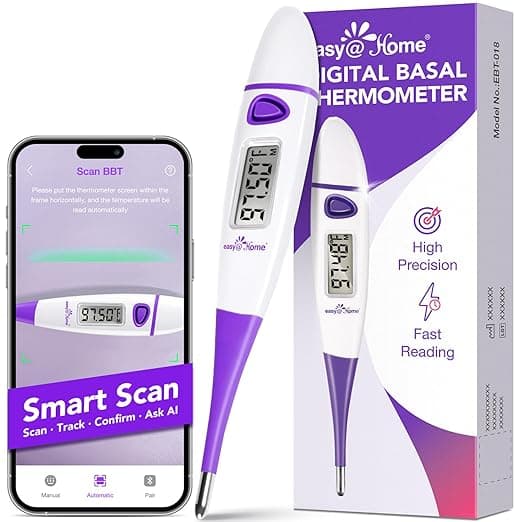
Easy@Home Basal Body Thermometer, Digital BBT for Cycle Tracking
A precise basal thermometer with memory recall that makes it easy to detect the subtle temperature shifts that confirm ovulation and progesterone production. Syncs with the Premom app for charting.
When and How to Test Your Hormones
If you suspect a hormonal imbalance, getting the right labs at the right time is essential. Here's what I'd recommend asking your doctor for:
For menstruating women, the ideal time to test most hormones is day 19–21 of your cycle (about a week after ovulation), when progesterone should be at its peak. Testing at the wrong time in your cycle can give misleading results.
The panel to request:
- Estradiol (E2)
- Progesterone
- Total and free testosterone
- DHEA-S
- Cortisol (morning, ideally between 7–9 AM, or a four-point salivary cortisol test for a complete picture)
- TSH, Free T3, Free T4, thyroid antibodies (TPO and TgAb)
- Fasting insulin and fasting glucose
- HbA1c (a three-month average of blood sugar)
- Vitamin D (which functions more like a hormone)
- CBC (complete blood count) and ferritin (iron stores)
If you're in perimenopause or postmenopause, testing can be done at any time since your cycle is irregular or absent. The same panel applies, though your doctor may also want to check FSH (follicle-stimulating hormone) to help confirm where you are in the menopausal transition.
A note on at-home hormone testing: Companies like Everlywell and DUTCH offer at-home hormone testing. The DUTCH test (Dried Urine Test for Comprehensive Hormones) is particularly useful because it measures hormone metabolites, showing not just how much of each hormone you're producing, but how your body is processing and clearing them. This can reveal issues that standard blood tests miss. It's not cheap, but if you want a comprehensive picture, it's worth considering.
Important note: don't let a doctor tell you everything is "normal" without seeing the actual numbers. "Normal" lab ranges are based on statistical averages across a wide population, they don't necessarily reflect optimal levels for you. Ask for copies of your labs and learn to understand the reference ranges. A TSH of 4.0 is technically within range, but many functional medicine practitioners consider anything above 2.5 worth investigating further.
If your doctor dismisses your concerns, you have every right to find one who takes them seriously. Hormonal health is foundational, it's not something to shrug off.
Common Hormonal Patterns Women Experience
Once you understand the individual hormones, it helps to recognize some common patterns that show up again and again in women's health.
The stressed-out pattern: Chronic stress leads to elevated cortisol, which suppresses progesterone production and disrupts thyroid function. You feel wired but tired, sleep poorly, carry weight around your middle, and feel anxious for no clear reason. Your periods might become irregular and your PMS might worsen. This is probably the most common hormonal pattern I see discussed in women's health communities, and the primary intervention is aggressive stress management, not just relaxation, but actively building cortisol-lowering practices into your daily routine.
The estrogen-dominant pattern: High estrogen relative to progesterone, not necessarily high estrogen in absolute terms. This can happen because progesterone is dropping (perimenopause), because your gut isn't clearing excess estrogen effectively, or because your environment is exposing you to xenoestrogens (endocrine-disrupting chemicals that mimic estrogen). Symptoms include heavy periods, breast tenderness, fibroids, mood swings, and weight gain in the hips and thighs. Supporting liver detoxification, gut health, and reducing environmental estrogen exposure are the primary interventions.
The thyroid sluggishness pattern: Fatigue that sleep doesn't fix, difficulty losing weight, constipation, dry skin, thinning hair, and feeling cold. Often coexists with cortisol dysfunction because stress suppresses thyroid function. Many women are told their thyroid is "fine" based on a TSH test alone, when a full panel (Free T3, Free T4, thyroid antibodies) would reveal a different story.
The blood sugar roller coaster: Skipping meals, eating high-carb meals without protein, or relying on caffeine and sugar for energy creates blood sugar spikes and crashes that keep insulin elevated, promote fat storage, and destabilize cortisol. Over time, this pattern contributes to insulin resistance, which then drives testosterone up, disrupts ovulation, and makes every other hormonal issue harder to manage.
Recognizing your pattern, or combination of patterns, helps you prioritize which levers to pull first.
What You Can Do Right Now
Understanding your hormones is the first step. The next steps involve supporting them through daily choices, nutrition, stress management, sleep, movement, and targeted supplementation when appropriate.
Start paying attention to patterns. Track your cycle and note how your energy, mood, sleep, and symptoms shift throughout the month. Apps like Clue or Flo can help, but even a simple notebook works. The patterns you'll start to notice are incredibly revealing. If you want to take this further, cycle syncing your lifestyle to your menstrual phases can be a powerful tool.
Focus on blood sugar balance, eating protein and healthy fat with every meal, minimizing refined sugar and processed carbs, and not skipping meals. Blood sugar instability is one of the fastest ways to throw off cortisol, insulin, and every hormone downstream.
Prioritize sleep. Progesterone supports sleep, but sleep also supports progesterone production. It's a two-way relationship, and cutting corners on sleep will catch up with you hormonally.
Support your gut. Your gut microbiome directly influences estrogen metabolism, thyroid hormone conversion, and inflammation levels. Eating 25–30 grams of fiber daily, including fermented foods, and considering a quality probiotic are all meaningful steps. I wrote a full guide on gut health for women that goes much deeper.
Move your body consistently. Exercise supports insulin sensitivity, cortisol regulation, bone density, and mood, all of which are directly tied to hormonal health. A combination of strength training, moderate cardio, and gentle movement like walking provides the broadest benefits.
Reduce endocrine disruptors in your environment. Chemicals in plastics, personal care products, cleaning supplies, and non-stick cookware can mimic or interfere with your hormones. Simple swaps, glass food storage instead of plastic, fragrance-free products, cast iron instead of non-stick, reduce your daily exposure over time.
Consider targeted supplements. Magnesium, vitamin D, omega-3 fatty acids, and adaptogenic herbs like ashwagandha all have research supporting their roles in hormonal health. But supplements work best when layered on top of the foundational habits above, they're not a shortcut around nutrition, sleep, and stress management.
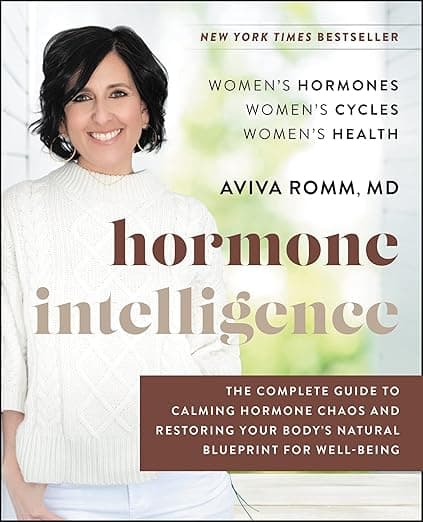
"Hormone Intelligence" by Dr. Aviva Romm, The Complete Guide to Calming Hormone Chaos
A comprehensive, evidence-based book that walks you through every major hormone, what throws them off, and exactly how to support them through nutrition, lifestyle, and when necessary, medical intervention. Dr. Romm is one of the most respected voices in integrative women's health.
And if you want to go deeper on any of these areas, magnesium, ashwagandha for stress, or the best vitamins for women, I've written detailed guides on each.
Find a provider who listens. If your current doctor dismisses your symptoms or refuses to run comprehensive testing, find a new provider. Functional medicine practitioners, integrative medicine doctors, and naturopaths who specialize in women's health are often more thorough in their approach to hormonal assessment and treatment. You deserve a provider who takes your concerns seriously and looks at the full picture.
Your hormones aren't a mystery. They're a system. And once you understand the system, you have the power to support it. You don't need to figure it all out alone, but having the knowledge to ask the right questions and advocate for yourself is half the battle.