How to Build a Minimalist Skincare Routine
How to Build a Minimalist Skincare Routine. I used to have a twelve-step skincare routine.
I used to have a twelve-step skincare routine. Double cleanse, toner, essence, two serums, eye cream, moisturizer, face oil, SPF in the morning, and a completely different lineup at night. My bathroom counter looked like a Sephora display. I had a spreadsheet tracking which actives I could layer and which ones would cancel each other out.
And you know what? My skin was a mess.
It took me an embarrassingly long time to realize that more products doesn't mean better skin. In fact, for a lot of women, the opposite is true. Every product you add is another potential irritant, another disruption to your skin barrier, another variable making it impossible to figure out what's actually working and what's causing that weird texture on your chin.
So I stripped everything back. And my skin has never been better.
This is my honest guide to building a minimalist skincare routine that actually delivers results, based on what I've learned from dermatologists, from trial and error, and from finally accepting that my skin doesn't need to be managed like a science experiment.
Why Minimalist Skincare Works Better for Most Women
There's a reason dermatologists keep saying "less is more," and it's not because they're lazy. It's because your skin is a functioning organ with its own built-in processes for hydration, cell turnover, and protection. When you layer on ten products twice a day, you're often interfering with those processes rather than supporting them.
Here's what I've learned happens when you simplify:
Your skin barrier recovers. The acid mantle, the lipid barrier, the microbiome on your skin surface: all of these get disrupted by excessive product use, over-exfoliation, and ingredient overload. When you pare back to a few well-chosen products, your barrier strengthens, and strong barrier = better skin in every possible way. Less redness, fewer breakouts, more resilience, better moisture retention. (If you think yours might already be compromised, here's how to repair your skin barrier.)
You can actually tell what's working. When you're using eight products and your skin improves, which one did it? When you break out, which one caused it? A minimal routine gives you clear cause and effect, which means you can optimize intelligently instead of guessing.
You save money. This one's straightforward. Four good products costs less than twelve good products. And four great products will outperform twelve mediocre ones every time.
You actually do it consistently. A twenty-minute routine is easy to skip when you're tired. A three-minute routine happens every single night, even when you've had wine and just want to collapse into bed. Consistency beats complexity in skincare, always.
The Only Steps You Actually Need
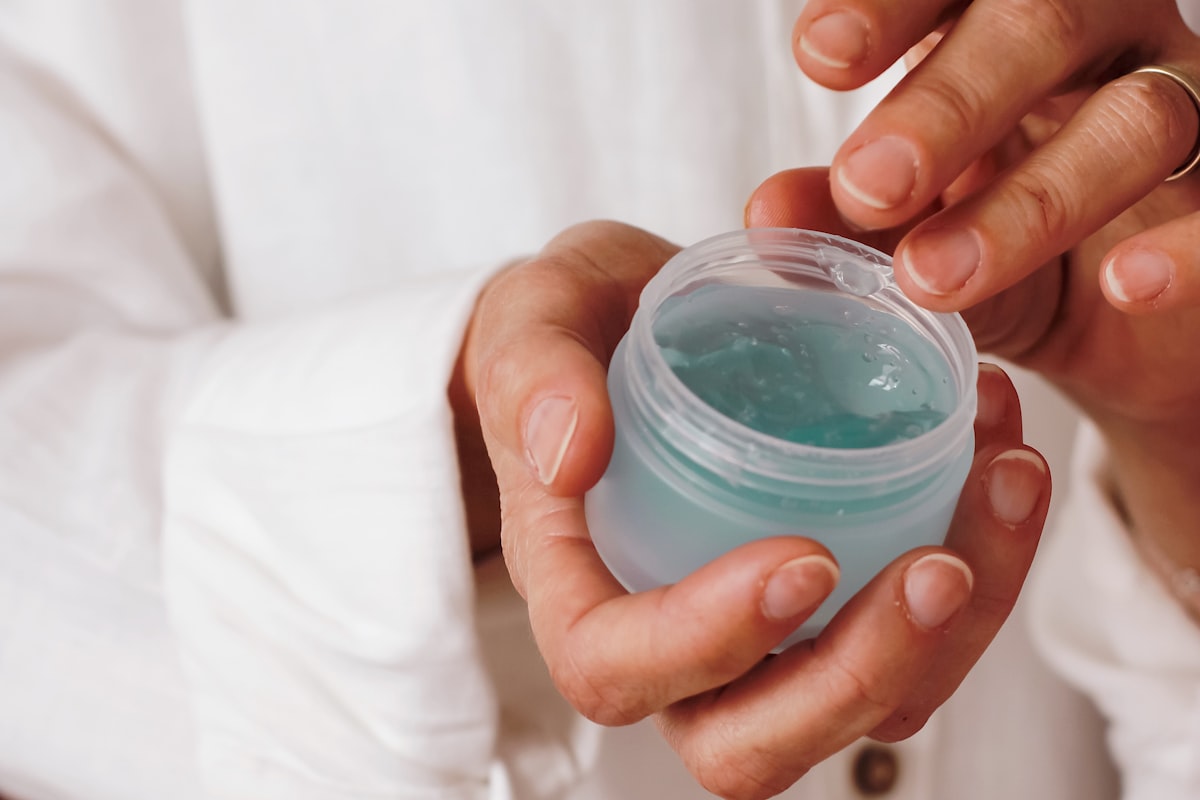
I'm going to be direct here: you need four products in the morning and three at night. That's it. Everything else is optional, and most of it is unnecessary for the majority of skin types.
Morning Routine (3 minutes)
Step 1: Cleanser
In the morning, you don't need a heavy-duty cleanser. You slept in a (hopefully) clean bed. A gentle, hydrating cleanser removes overnight oil and dead skin cells without stripping. If your skin is particularly dry or sensitive, you can even just rinse with water in the morning and save your cleanser for nighttime only.
What to look for: a gel or cream cleanser with a pH between 4.5 and 5.5, free of sulfates (SLS/SLES), and without fragrance. Ceramides, glycerin, or hyaluronic acid in the formula are bonuses.
Step 2: Serum (one, not three)
This is your single treatment step. Pick the one active ingredient that addresses your primary skin concern and commit to it:
- Vitamin C if you want brightening, antioxidant protection, and anti-aging. This is my recommendation for most women as a morning serum because it also boosts SPF effectiveness.
- Niacinamide if you want pore refinement, oil control, and barrier support. Great for acne-prone or combination skin.
- Hyaluronic acid if hydration is your main need. Layer it on damp skin for best results.
One serum. Not a vitamin C followed by a niacinamide followed by a hyaluronic acid. One.
Step 3: Moisturizer
Even oily skin needs moisturizer. A lightweight, non-comedogenic moisturizer seals in your serum and supports your skin barrier throughout the day. If your skin is dry, go richer. If it's oily, go lighter. But don't skip it.
Step 4: SPF
Non-negotiable. Every single morning. This is the single most effective anti-aging product in existence, and it's not close. UV damage causes roughly 80% of visible skin aging. If you do nothing else, wear sunscreen. If you need help picking one, I put together a guide to the best sunscreen for face.
SPF 30 minimum, broad spectrum. Reapply every two hours if you're outdoors. A tinted SPF can double as light coverage, which is one of my favorite minimalist swaps.
Evening Routine (3 minutes)
Step 1: Cleanser
This is where your cleanser matters most. You need to remove sunscreen, makeup, pollution, and the day's oil and debris. If you wear makeup or heavy SPF, you might benefit from an oil cleanser or micellar water as a first step, followed by your regular cleanser. This is the one area where a "double cleanse" actually makes sense.
But if you wear minimal makeup or just SPF, a single thorough cleanse with your gentle cleanser is fine. Don't overcomplicate it.
Step 2: Treatment (one product)
Nighttime is when you use your more potent actives, because you don't have to worry about sun sensitivity or SPF interaction. Again, pick one:
- Retinol for anti-aging, texture improvement, and acne prevention. Start low (0.25-0.5%) and work up. This is the single most evidence-backed anti-aging ingredient available without a prescription, here's a deeper look at what does retinol do to your skin. Use it 2-3 nights per week to start.
- AHA/BHA (like glycolic acid or salicylic acid) for exfoliation, texture, and breakout prevention. Use 2-3 nights per week, alternating with retinol if you use both.
- A hydrating serum (hyaluronic acid, peptides) on your "off" nights from actives.
Do not use retinol and AHA/BHA on the same night. Alternate them. Your skin barrier will thank you.
Step 3: Moisturizer
Same moisturizer as morning, or a slightly richer version if your skin runs dry. Night is when your skin does its repair work, so giving it moisture to work with makes a real difference.
That's it. That's the whole routine.
What You Can Skip (and Why It's Okay)
I know this feels like heresy if you're used to an elaborate routine, so let me address the products you're probably wondering about:
Toner
Most toners are either astringent (which strips your skin) or hydrating (which your serum and moisturizer already handle). Unless you have a specific, targeted toner with an active ingredient you love, you can skip it. Your cleanser should be pH-balanced enough that you don't need a toner to "prep" your skin.
Essence
I love the texture of essences. They feel luxurious. But functionally, they're a watery hydration layer that overlaps with what your serum and moisturizer do. If you enjoy it, keep it. But it's not necessary.
Eye Cream
Controversial take: most eye creams are just moisturizer in a smaller jar at a higher price. Unless your eye cream contains a specific active (retinol, peptides, caffeine) at a meaningful concentration that your face moisturizer doesn't have, you can use your regular moisturizer around your eyes.
The exception: if you use retinol on your face and it's too strong for your eye area, a gentler eye-specific formula makes sense.
Face Oil
Oils can be a lovely finishing step, but they're not necessary if your moisturizer is doing its job. If your skin feels tight or dry even after moisturizer, adding a few drops of a facial oil is reasonable. But it's a "nice to have," not a "need."
Sheet Masks
Fun for a self-care night. Not doing anything your serum and moisturizer aren't already doing. Enjoy them if you enjoy them, but they're entertainment, not essential skincare.
How to Choose Products for a Minimalist Routine

The quality of each individual product matters more in a minimal routine because each one is doing heavy lifting. Here's how I evaluate:
Read the ingredient list, not the marketing. The first five ingredients make up the majority of the formula. If the "star ingredient" on the front of the bottle is listed fifteenth, there's barely any of it in there.
Fragrance-free is almost always better. Fragrance is the number one cause of skincare-related irritation and allergic reactions. It provides zero benefit to your skin. I know products smell nice with it, but your skin doesn't care about nice smells.
Fewer ingredients generally means fewer problems. A cleanser with 8 ingredients and a cleanser with 35 ingredients can achieve the same thing. The one with fewer ingredients gives you fewer potential irritants.
Price doesn't equal quality. Some of the best skincare in the world is affordable. CeraVe, La Roche-Posay, The Ordinary, and Vanicream consistently outperform products that cost five times as much in clinical comparisons. Don't let price tags convince you something is better.
My Actual Minimalist Routine (What I Use Every Day)
I want to be specific because vague advice isn't helpful. Here's exactly what I put on my face, morning and night:
Morning: Gentle gel cleanser, vitamin C serum, lightweight moisturizer with ceramides, tinted SPF 50.
Evening: Same cleanser (one wash, sometimes oil cleanse first if I wore makeup), retinol 2-3 nights per week, moisturizer.
That's it. Four products morning, three at night, and two of them are the same product used twice. My skin is clearer, more even-toned, and less reactive than it was with twelve products. It took about six weeks of simplifying for my skin to fully adjust and show the improvement.
Building Your Routine: Start Here
If you're currently using a lot of products and want to simplify, don't strip everything at once. Here's the transition I recommend:
Week 1-2: Cut down to cleanser, one serum, moisturizer, and SPF. Stop all exfoliants and actives temporarily. Let your skin recalibrate.
Week 3-4: Reintroduce one active treatment (retinol or AHA/BHA) at night, 2-3 times per week. Monitor how your skin responds.
Week 5+: This is your routine now. Adjust the specific products as needed, but resist the urge to add steps back in.
If your skin freaks out during the transition, that's often your barrier recovering, not a sign that you need more products. Give it time. If something is genuinely wrong after 4-6 weeks, consult a dermatologist rather than adding more products.
My Recommended Products
These are the specific products I use and trust for a clean, effective, minimalist routine:
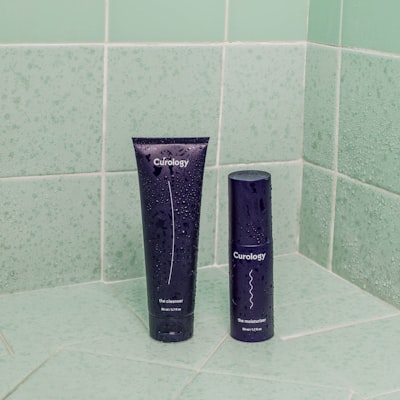
CeraVe Hydrating Facial Cleanser
The gold standard gentle cleanser. Ceramides, hyaluronic acid, fragrance-free, non-stripping. I've tried dozens of cleansers and keep coming back to this one.
Shop on Amazon →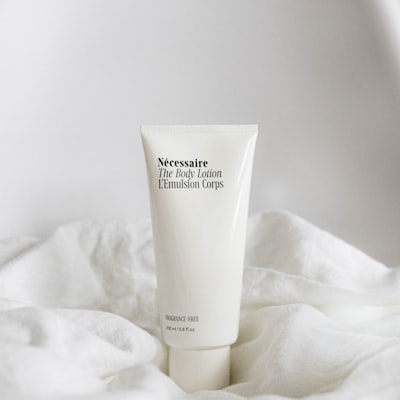
Timeless 20% Vitamin C + E Ferulic Acid Serum
Clinical-grade vitamin C at a fraction of the SkinCeuticals price. Same formulation concept, excellent results for brightening and antioxidant protection.
Shop on Amazon →
CeraVe Intensive Moisturizing Cream
Three essential ceramides, hyaluronic acid, and MVE technology for 24-hour hydration. Rich enough for nighttime, light enough for morning use under SPF.
Shop on Amazon →
EltaMD UV Clear Tinted Broad-Spectrum SPF 46
Dermatologist-favorite tinted SPF with niacinamide. Lightweight, no white cast, doubles as a light coverage base. The best sunscreen I've ever used daily.
Shop on Amazon →
CeraVe Resurfacing Retinol Serum
Encapsulated retinol with ceramides and niacinamide. Effective enough to see real results, gentle enough for retinol beginners. My nighttime staple 3x per week.
Shop on Amazon →The Bottom Line
Minimalist skincare isn't about doing less for the sake of it. It's about doing the right things well and cutting out everything that's either redundant, irritating, or just making your bathroom counter look impressive without actually improving your skin.
Four products in the morning. Three at night. Consistent application. Good ingredients. That's genuinely all most women need to have great skin. The beauty industry has a financial incentive to make you believe otherwise, but your skin doesn't read marketing copy. It responds to the basics done well.
Start simple. Stay consistent. Your skin will show you the results.
You'll Also Love
- How to Layer Skincare Products (in the Right Order)
- What Is Skin Cycling? The 4-Night Routine Explained
- The Best Retinol Products for Beginners
- The Best Sunscreen for Your Face: What I Use Every Single Day