Beginner's Guide to Canning: Preserve Food Safely
Learn the basics of home canning, water bath vs pressure canning, essential equipment, easy first recipes, and safety tips every beginner needs to know.
There's a specific kind of pride that comes from looking at a shelf full of food you preserved yourself. Jars of tomato sauce from your garden, pickles made from farmers market cucumbers, strawberry jam you put up in June that your kids are still eating in December. It's deeply satisfying in a way that's hard to explain until you've experienced it.
But I'll be honest, canning intimidated me for a long time. The safety warnings, the botulism talk, the equipment, the precise measurements. It felt like one wrong move would result in disaster. Then I actually started, realized it's much more straightforward than I expected, and now I can't imagine not canning.
If the idea of preserving your own food appeals to you but feels overwhelming, let me walk you through the basics. It's more accessible than you think.
I want you to feel confident picking up that canner for the first time, knowing exactly what to expect and what you need. So let's start from the very beginning.
Water Bath Canning vs. Pressure Canning
This is the first thing you need to understand, and it's really about food safety.
Water bath canning is the simpler method and the best place for beginners to start. It involves submerging sealed jars in boiling water for a specific amount of time. This method works for high-acid foods: fruits, jams, jellies, pickles, tomatoes (with added acid), and salsa.
The high acid content of these foods prevents the growth of dangerous bacteria, so the boiling water temperature (212 degrees F) is sufficient to create a safe seal and preserve the food.
Pressure canning is required for low-acid foods: vegetables, meats, soups, stocks, and beans. These foods need to be processed at a higher temperature (240 degrees F) to kill the bacteria that causes botulism, and you can only reach that temperature with a pressure canner.
A pressure canner is not the same as a pressure cooker or Instant Pot. Do not use those for canning, they don't maintain consistent pressure and are not approved for safe food preservation.
My recommendation: Start with water bath canning. It's less equipment, less intimidating, and the recipes are simpler. Once you're comfortable with the process, you can explore pressure canning.
Essential Equipment for Water Bath Canning
You don't need a lot to get started, but you do need a few specific things:
A water bath canner or large stockpot with a rack. The Granite Ware Water Bath Canner is the classic choice and super affordable. It comes with a jar rack, which keeps jars off the bottom of the pot. If you don't want to buy a dedicated canner, any pot deep enough to cover your jars with 1-2 inches of water works, just put a small wire rack or towel on the bottom so jars don't sit directly on the heat.
Mason jars. Ball or Kerr mason jars in pint or quart sizes. Make sure you use proper canning jars with two-piece lids (flat lid plus ring band). Don't reuse the flat lids, they're designed for one-time use. The jars and rings are reusable for years.
A jar lifter. These tongs are specifically designed to grip hot jars and lift them in and out of boiling water. This is not optional, you cannot safely do this with regular tongs or oven mitts.
A canning funnel. A wide-mouth funnel that fits mason jars. It keeps the jar rims clean, which is important for getting a proper seal.
A bubble remover/headspace tool. A flat tool to run along the inside of the jar to release air bubbles before sealing. A chopstick or butter knife works in a pinch.
A tested recipe. This is the most important piece of equipment, in my opinion. Always use recipes from trusted sources: the USDA, the National Center for Home Food Preservation, the Ball Blue Book, or your state's cooperative extension. Do not freestyle canning recipes. The acid levels, processing times, and proportions have been tested for safety.
Easy First Canning Recipes
If you've never canned before, I'd start with one of these:
Strawberry jam. This is the classic first canning project and for good reason, it's simple, fast, and the result is absolutely delicious. You need strawberries, sugar, lemon juice, and pectin. The whole process from washing berries to sealed jars on your counter takes about an hour.
Quick pickles (refrigerator pickles). Technically these are refrigerator preserved, not water-bath canned, but they're a great introduction to the concept if you want to practice before dealing with the canner. Sliced cucumbers in a vinegar brine with garlic and dill. Ready to eat in 24 hours.
Dill pickles (water bath). Once you're ready for actual canning, dill pickles are a great next step. The recipe is straightforward and pickles are incredibly satisfying to make. There's something about opening a jar of your own dill pickles in January that makes the whole canning process feel worth it.
Salsa. If your family goes through jarred salsa, homemade canned salsa is a game-changer. It's fresh, flavorful, and you control exactly what goes in. Just make sure to use a tested recipe, the balance of acid matters for safe preservation.
Tomato sauce or crushed tomatoes. If you grow tomatoes or buy them in bulk at farmers markets, canning tomato sauce is one of the most useful things you can put up. You'll use canned tomatoes all winter for pasta sauce, soups, and chili. Just remember that tomatoes need added acid (lemon juice or citric acid) because their natural acidity can vary.
Apple butter. If you have access to cheap apples in fall, apple butter is a fantastic project. It cooks low and slow, fills your house with the most incredible smell, and makes wonderful gifts.
Peach preserves. If you can get your hands on ripe freestone peaches in summer, peach preserves are liquid gold. They're incredible on toast, over ice cream, or stirred into yogurt. The process is similar to making jam, and ripe peaches are so naturally sweet that you can use less sugar than you might expect.
Safety Rules That Are Non-Negotiable
I don't want to scare you, but I do want to be straight with you about safety. Canning is safe when done properly. These rules exist for a reason:
Always use tested recipes. I said it above and I'll say it again. Don't adjust the ratio of acid to produce. Don't reduce the sugar in jam recipes (it affects the set and preservation). Don't add thickeners not called for in the recipe. If you want to experiment, do it with food you'll refrigerate and eat quickly, not with food you're canning for shelf storage.
Process for the correct time. Every recipe specifies a processing time. Use a timer. Don't shortcut it.
Adjust for altitude. Processing times in most recipes are written for altitudes under 1,000 feet. If you live at higher elevation, you need to increase processing time or pressure. Check your recipe source for altitude adjustment charts.
Check every seal. After your jars cool (12-24 hours), press the center of each lid. If it doesn't pop or flex, you have a good seal. If it pops up and down, the jar didn't seal, put it in the fridge and use it within a few weeks.
When in doubt, throw it out. If a sealed jar has a bulging lid, looks cloudy, smells off, or spurts liquid when opened, do not taste it. Just throw it away. This is not the place for "it's probably fine."
Never use the oven, dishwasher, or microwave to can. These methods are not safe for food preservation, despite what you might see on social media. Stick to approved water bath or pressure canning methods.
The Ball Blue Book Is Worth Every Penny
If you're going to buy one resource, make it the Ball Blue Book Guide to Preserving. It's been around for over a century, every recipe is tested and safe, and it covers everything from basic jams to pressure canning meats. I consider it essential for anyone who wants to can at home. My copy is stained and dog-eared from heavy use, and I reference it every single canning season.
What About Pressure Canning?
Once you've got a few water bath canning sessions under your belt, you might start eyeing pressure canning. It opens up a whole new world of possibilities, you can preserve green beans, corn, carrots, soups, stocks, chili, and even meats.
Pressure canning requires a dedicated pressure canner (not a pressure cooker), and the process involves monitoring a pressure gauge or weighted jiggler to maintain the correct pressure throughout processing. It sounds intimidating, but the learning curve isn't as steep as you might think, it's just a different set of steps.
My advice: don't rush into it. Get comfortable with water bath canning first. Once the basic rhythm of filling jars, processing, and checking seals feels second nature, adding pressure canning on top of that foundation is much less overwhelming.
When you're ready, the Presto 23-Quart Pressure Canner is the one I use and recommend. It's aluminum (lighter and cheaper than stainless steel options), holds seven quart jars, and has a reliable weighted gauge. The Ball Blue Book and your state's cooperative extension both have pressure canning recipes and instructions.
How to Store Your Canned Goods
Properly canned food can last 1-2 years on the shelf, sometimes longer, though quality starts to decline after about 18 months. Here's how to store your jars for maximum shelf life:
- Remove the ring bands after the jars have fully cooled and sealed. Storing with rings on can hide a failed seal (the ring holds the lid down even if the seal broke).
- Store in a cool, dark place. Ideal temperature is 50-70 degrees F. Avoid areas with temperature swings (garages, attics) or direct sunlight.
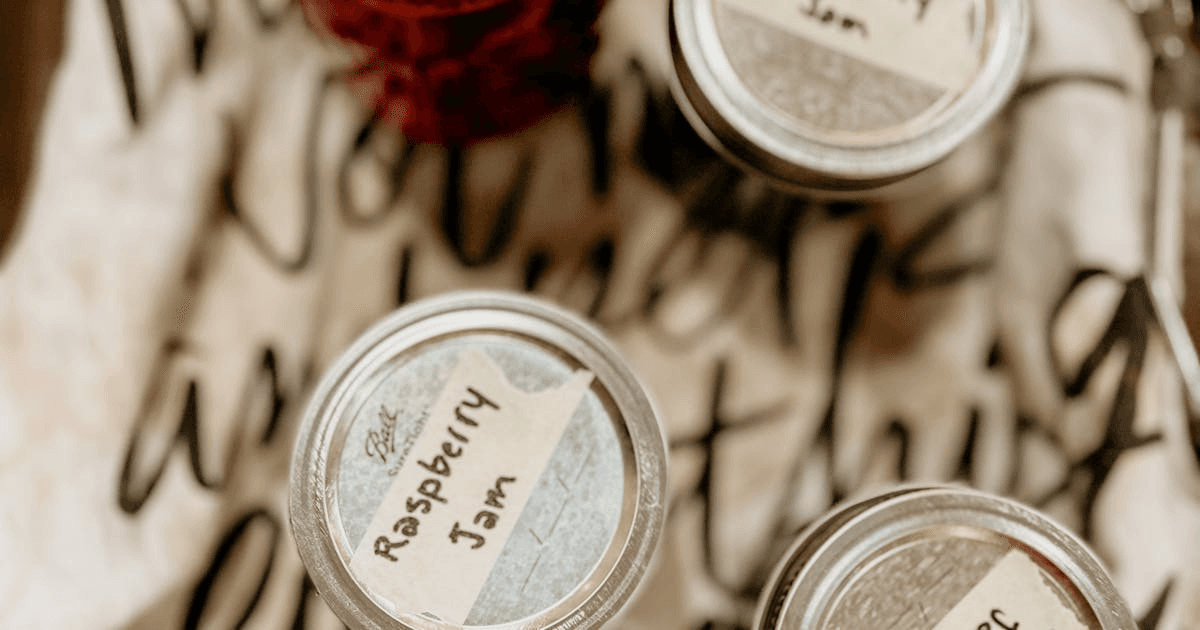
- Label every jar with the contents and the date canned. You will absolutely forget what's in those jars of dark red mystery liquid six months from now. I use a Sharpie directly on the lid since I'm replacing lids each time anyway.
- Check seals before using. Always verify the lid is still concave and sealed before opening a jar from the shelf. If it pops or flexes, discard it.
Start Simple and Build Confidence
Canning can feel intimidating on paper, but the actual process is straightforward once you do it. Boil water, fill jars, process, cool. That's the basic loop. The first time you hear that satisfying "pop" of a jar sealing on your counter, you'll get it. You'll feel that little rush of accomplishment.
Start with one small batch of jam or pickles. Do it on a weekend when you're not rushed. Follow the recipe to the letter. And once you've got a few jars of homemade jam on your shelf, I think you'll find yourself eyeing those bulk tomatoes at the farmers market with a whole new sense of purpose.
My Personal Canning Calendar
Once you get into a rhythm, canning naturally follows the seasons. Here's roughly how my canning year looks:
Late spring/early summer: Strawberry jam, pickled asparagus Mid summer: Dill pickles (cucumber season), blueberry jam, salsa Late summer: Tomato sauce, crushed tomatoes, peach preserves, bread and butter pickles Early fall: Apple butter, applesauce, pear butter Late fall: Cranberry sauce, chutney
You don't need to do all of these. Pick the ones that your family will actually eat and that use produce available to you. The point is to preserve food when it's at peak freshness and peak affordability, farmers market hauls in July and August can fill your pantry shelves for the entire winter.
There's a real sense of security that comes from knowing you've got shelves of home-canned food put up. Not in a doomsday-prepper way, but in a practical, grounded, "we'll eat well this winter" kind of way. That's the homesteading spirit in a nutshell.
Canning With Kids
If you have children, canning is a wonderful kitchen activity to share, with supervision, of course. Younger kids can wash produce, sort fruits by ripeness, and help fill jars (with a funnel, things stay relatively tidy). Older kids can help measure ingredients, stir, and even practice checking headspace.
The boiling water and hot jars are obviously off-limits for little hands, but there's plenty for them to do. And the pride they feel seeing a jar of jam they helped make on the breakfast table is something special. These are the kinds of kitchen memories and practical skills that stay with kids forever, the kind of thing they'll tell their own children about someday.
We also give our jars as gifts, teacher appreciation gifts, neighbor thank-yous, holiday presents. A jar of homemade strawberry jam with a handwritten label from your kid is the kind of gift people genuinely love receiving. It costs almost nothing to make but feels incredibly personal and thoughtful.