Getting Started with Homesteading: A Suburban Guide
Ready to start homesteading but don't have acres of land? Here's how to embrace the homestead mindset and build practical skills wherever you live.
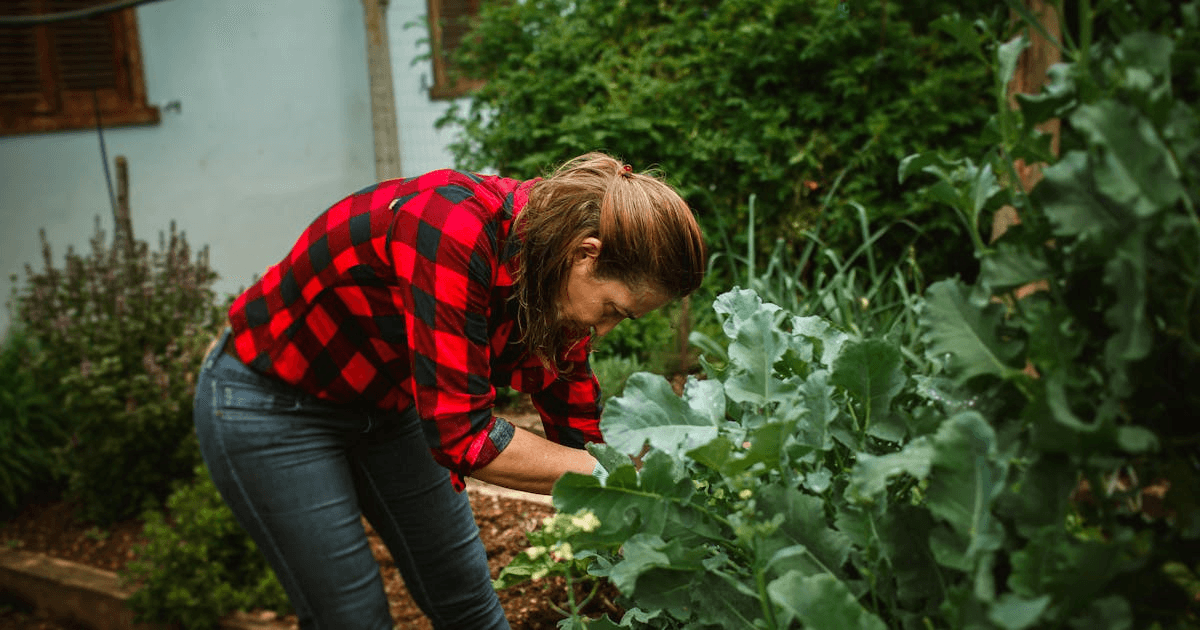
I used to think homesteading meant you needed 40 acres, a red barn, and a pair of overalls. That you had to be completely off-grid, growing every morsel of food your family eats, and somehow also churning your own butter before sunrise. And honestly? That image kept me from starting for years.
Then I realized something that changed everything for me: homesteading isn't about how much land you have. It's about a mindset. It's about being intentional with what you consume, learning to do more with your own two hands, and slowly building skills that make your family more self-sufficient.
You can do that on 40 acres or on a quarter-acre suburban lot. You can do it in a rental with a balcony. You just have to start.
The Mindset Shift That Changes Everything
Before you buy a single seed or research chicken coops, the most important thing you can do is shift how you think about your daily life. Homesteading at its core is about asking one question over and over: can I do this myself?
Not everything. Not all at once. But slowly, one skill at a time.
Can I make my own bread instead of buying it? Can I grow a few herbs on my windowsill instead of buying the plastic clamshell at the grocery store? Can I learn to mend clothes instead of tossing them? Can I preserve the tomatoes from my garden instead of letting them go bad?
Each one of those tiny shifts builds on the last. And before you know it, you've built a lifestyle that looks really different from where you started, even if your address hasn't changed.
The beauty of this approach is that there's no finish line. There's always something new to learn, a new skill to pick up, or a new way to become a little more self-reliant. Some seasons you'll be laser-focused on your garden. Others you'll be deep into food preservation. Some months you might just be baking really good bread and that's enough. All of it counts.
Start Where You Are (Seriously)
The single biggest mistake I see beginners make is trying to do everything at once. They get inspired on a Sunday afternoon, order ten packets of seeds, a canning kit, a sourdough starter, and a chicken coop plan, and then burn out within a month because it's overwhelming.
Here's what I'd suggest instead: pick one thing. Just one. Master it (or at least get comfortable with it), and then add the next thing. This isn't a race. There's no homesteading checklist you have to complete by a certain date.
If you live in an apartment or small space, great starting points include:
- Growing herbs on a windowsill or balcony
- Learning to bake bread from scratch
- Starting a small compost bin (yes, you can compost indoors)
- Making your own cleaning products
- Learning basic mending and repair skills
- Making your own candles or soap
- Learning basic food preservation like freezer jams
If you have a yard, even a small one, your options expand:
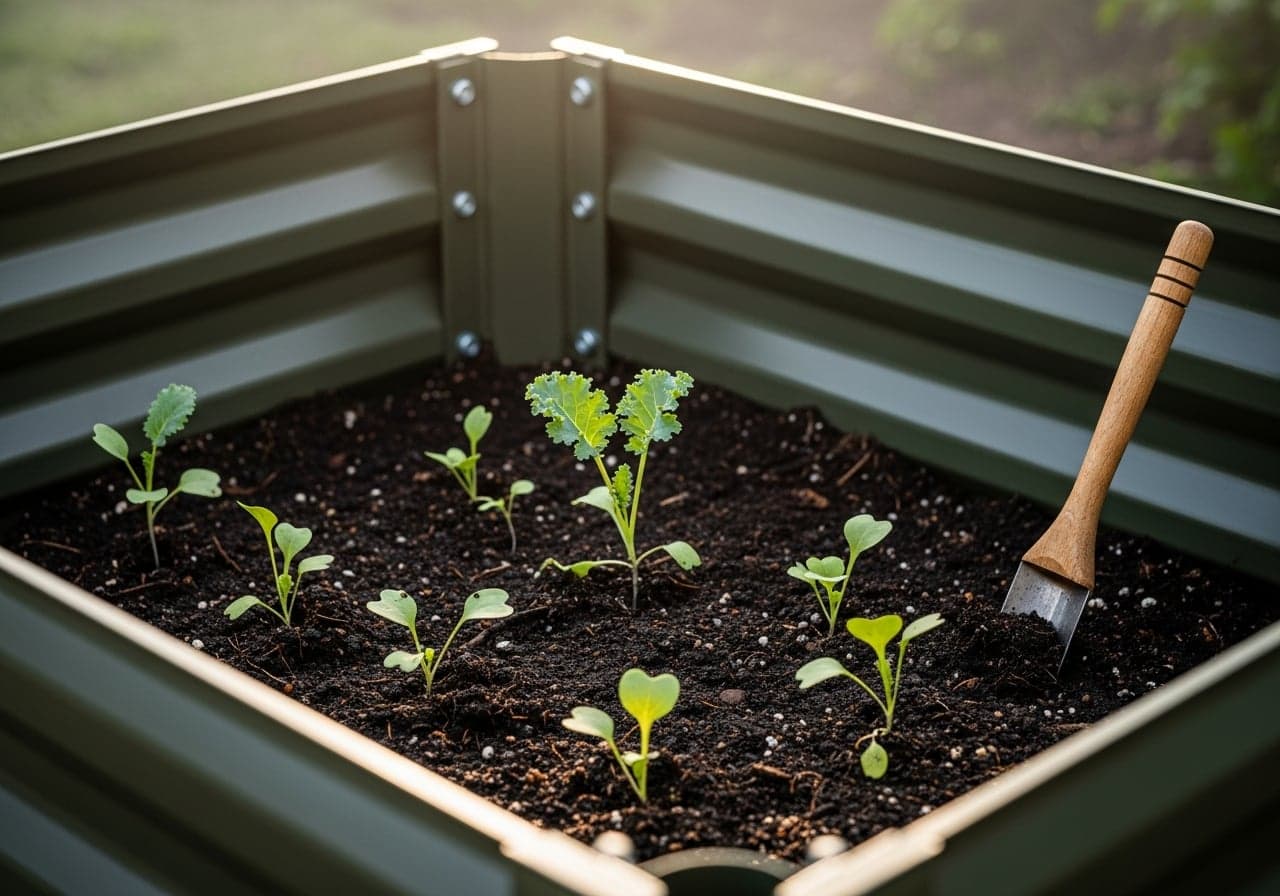
- Starting a small raised bed vegetable garden
- Composting kitchen scraps
- Planting fruit trees or berry bushes
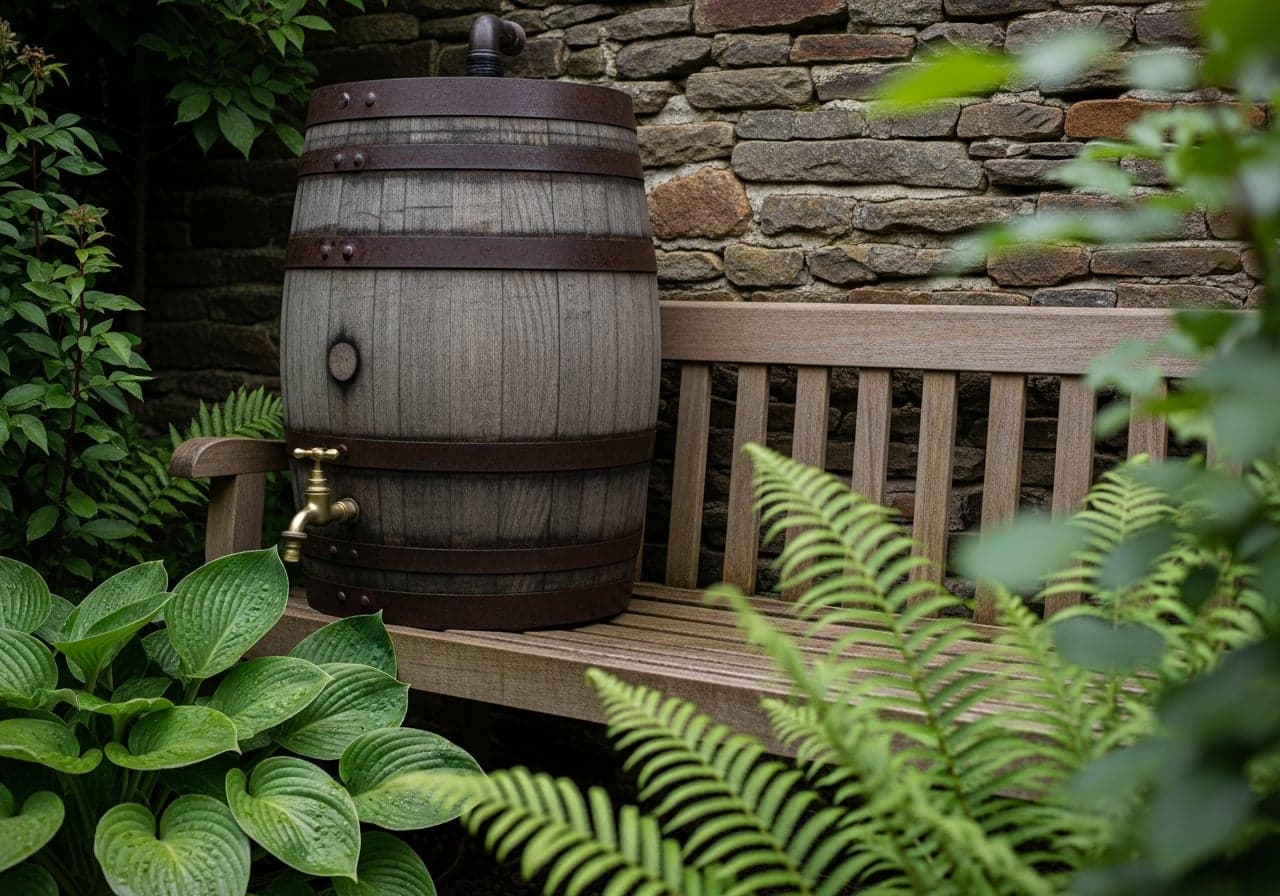
- Setting up a rain barrel
- Exploring whether your area allows backyard chickens
- Hanging laundry to dry instead of using the dryer
- Growing a cutting garden for fresh flowers instead of buying them
- Learning to forage (dandelion greens, wild garlic, and berries are surprisingly common in suburban areas)
First Skills to Learn
If I were starting completely from scratch, here are the skills I'd focus on first, roughly in order of easiest to most involved:
Cooking from scratch. This is the foundation of everything. If you can make a meal from basic whole ingredients instead of reaching for pre-packaged food, you've already taken a huge step. Start with simple things like homemade soup, bread, sauces, and salad dressings.
Growing something edible. Even if it's just a pot of basil on your counter. There's something that fundamentally shifts in your brain when you eat food you grew yourself. It doesn't have to be a full garden, just start with one plant and keep it alive.
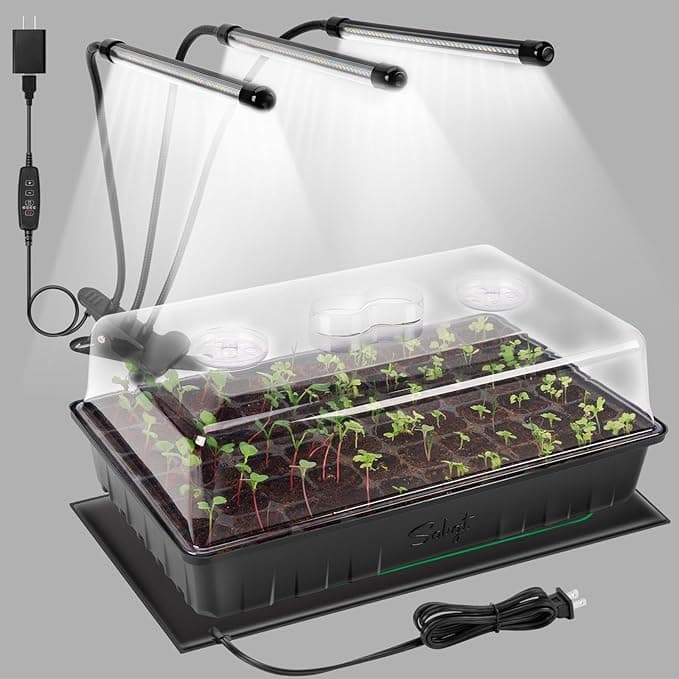
SOLIGT 60-Cell Seed Starter Kit with Grow Light, Heat Mat & Humidity Dome
A great all-in-one kit for getting your first seeds started indoors, even if you have zero gardening experience.
Basic food preservation. This can be as simple as learning to freeze vegetables properly, make a quick refrigerator pickle, or put up a batch of jam. You don't need a pressure canner on day one. Start simple.
Reducing waste. Learn to use vegetable scraps for broth, compost what you can't eat, repurpose containers, and generally get more intentional about what leaves your house as garbage. This is a homesteading skill that costs absolutely nothing and makes an immediate difference. Once you start paying attention to what goes in your trash, you'll be amazed at how much of it can be redirected, composted, repurposed, or simply not bought in the first place.
DIY household basics. Making your own cleaning spray, laundry detergent, or candles. These are small wins that build confidence and save money over time. They also reduce the number of chemical-laden products in your home, which is a nice bonus.
Suburban Homesteading Is Real Homesteading
I want to be really clear about something: you do not need acreage to call yourself a homesteader. If you're growing tomatoes in containers on your patio, preserving food, hanging laundry on a line, baking your own bread, and teaching your kids where food comes from, you're homesteading.
The suburban homestead might look different from the rural one, but the values are identical: self-sufficiency, resourcefulness, connection to your food, and intentional living.
Some of the most impressive homesteaders I've connected with online are working with tiny backyards. They've got vertical gardens on their fences, a few chickens in a compact coop, herbs growing in every sunny window, and a pantry full of food they preserved themselves. It's inspiring, and it's proof that you don't need to wait until you have your "dream property" to start.
What About Homesteading With Kids?
If you have little ones, homesteading becomes even more meaningful, and honestly, it's one of the best educational tools I've found. Kids are naturally curious about where food comes from, how things grow, and why worms are in the compost bin (they will ask you this approximately 400 times).
Let them help. Even toddlers can drop seeds into holes, water plants with a small watering can, or help stir bread dough. Older kids can take on real responsibility, feeding chickens, weeding the garden, or helping with simple canning recipes.
These aren't just chores. They're life skills. And the pride a kid feels when they eat something they helped grow is genuinely one of the best parts of this whole journey.
We've also found that homesteading activities naturally limit screen time without it being a fight. When there are eggs to collect, a garden to water, or bread dough to punch down, kids are genuinely engaged. They'd rather be outside watching the chickens than staring at a tablet, and I never thought I'd say that.
Common Fears (And Why They Shouldn't Stop You)
"I'll mess it up." You will. You absolutely will. I've killed plants, ruined batches of preserves, and made bread that could double as a doorstop. That's part of learning. Every experienced homesteader has a long list of failures behind them.
"I don't have time." You don't have to do it all. Even 15 minutes a day tending a small garden or 30 minutes on a weekend baking bread counts. Homesteading is supposed to fit into your life, not consume it.
"It's too expensive to start." Some of the best homesteading skills are free. Composting costs nothing. Learning to cook from scratch actually saves money. You can start seeds in egg cartons and yogurt cups. Don't let anyone tell you that you need expensive equipment to begin.
"My neighbors will think I'm weird." Maybe. But they'll also happily accept your extra zucchini and fresh eggs when you have them. I've found that most people are actually fascinated once they see what you're doing.
"I don't know where to start." That's exactly why I wrote this post. But if you want one concrete answer: learn to cook from scratch. It's the skill that underpins everything else in homesteading, it saves money immediately, it improves your family's health, and you can start tonight with whatever you have in your kitchen. Everything else, the garden, the chickens, the canning, builds naturally from there.
Resources That Helped Me the Most
When I was starting out, I spent a lot of time online reading blogs, watching videos, and falling down rabbit holes. Here are the types of resources that actually moved the needle for me:
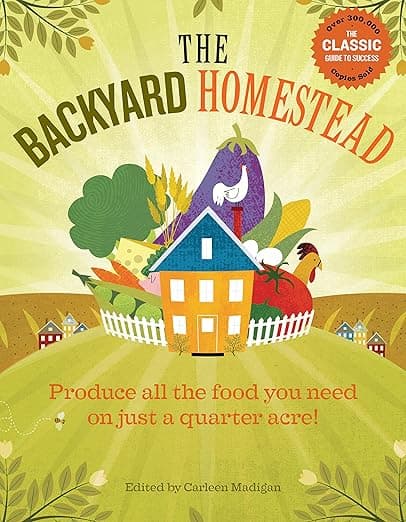
The Backyard Homestead, Produce All the Food You Need on Just a Quarter Acre
This is the book I recommend to every beginner because it breaks down exactly what you can grow, raise, and preserve on a small property, season by season.
Your local cooperative extension office. This is the most underrated homesteading resource in existence. They offer free or low-cost workshops on gardening, food preservation, composting, and more, all tailored to your specific climate and region. Many have Master Gardener programs where you can get advice from experienced local growers.
Library books. Before buying a shelf full of homesteading books, check your library. Classics like the Ball Blue Book for canning, Eliot Coleman's books on four-season gardening, and general homesteading guides are frequently available. I borrowed dozens of books before deciding which ones I wanted to own.
Local community groups. Facebook groups and neighborhood forums for your specific area are gold mines for advice. People will tell you exactly which tomato varieties grow well in your climate, when to plant, and which pest problems to watch for. This hyper-local knowledge is something no general book can give you.
Start a journal. This isn't a resource exactly, but keeping a simple notebook where you track what you planted, when you planted it, what worked, and what didn't is incredibly valuable. I reference mine every season. Your own observations from your own yard are ultimately the most useful data you'll collect.
Your First Week Challenge
If you've been thinking about homesteading but haven't started, here's my challenge to you: pick one thing from this list and do it this week.
- Bake a loaf of bread from scratch
- Plant an herb in a pot on your windowsill
- Make a meal entirely from whole ingredients (no packages)
- Start saving kitchen scraps for compost or broth
- Research whether your city allows backyard chickens
That's it. Just one. You can build from there.
The Long Game
Homesteading is a long game. You won't transform your life in a weekend, and that's not the point. The point is that a year from now, you'll be doing things you never imagined. Two years from now, your pantry will look different. Five years from now, your whole relationship with food and self-sufficiency will have shifted in ways you can't predict yet.
I look at where I am now compared to where I started, and the difference is staggering. But it happened one tiny step at a time. One loaf of bread. One pot of herbs. One jar of jam. One season of gardening. Each small thing built on the last, and each small success gave me the confidence to try the next thing.
You don't need to have a plan for the next five years. You just need to start.
Homesteading isn't a destination, it's a direction. And the best time to start walking that direction is right now, exactly where you are.