How to Start a Vegetable Garden: Beginner's Guide
A no-nonsense beginner's guide to starting a vegetable garden. What to plant first, soil basics, raised beds vs in-ground, and seasonal planning made simple.
I killed my first garden. Just absolutely demolished it with a combination of overwatering, zero soil knowledge, and the misguided belief that if I just planted things and wished hard enough, food would appear. Spoiler: it did not appear. What appeared was a sad collection of leggy, yellow, droopy plants that produced exactly one deformed tomato before dying dramatically.
My second garden went much better because I actually learned a few fundamentals first. And that's exactly what I want to share with you, the basic knowledge that would have saved my first garden and saved me from crying over a dead zucchini plant (yes, that happened).
First Things First: Pick Your Spot
Vegetables need sun. Most of them want at least 6-8 hours of direct sunlight per day. Before you do anything else, spend a day watching where the sun hits your yard. That south-facing spot that gets full sun all afternoon? That's where your garden goes.
If you don't have a full-sun area, don't give up. Leafy greens like lettuce, spinach, and kale can get by with 4-6 hours of sun. Herbs like parsley and cilantro also tolerate partial shade. You'll just want to avoid planting tomatoes, peppers, and squash in low-light areas because they really do need that full sun.
Also consider access to water. If your ideal sunny spot is at the far corner of your yard and you have to drag a hose 200 feet to reach it, you're going to water less consistently. Ask me how I know. Proximity to a water source matters more than you'd think.
Raised Beds vs. In-Ground: Which Is Better?
This is the first big decision, and honestly, either one works. Here's the tradeoff:
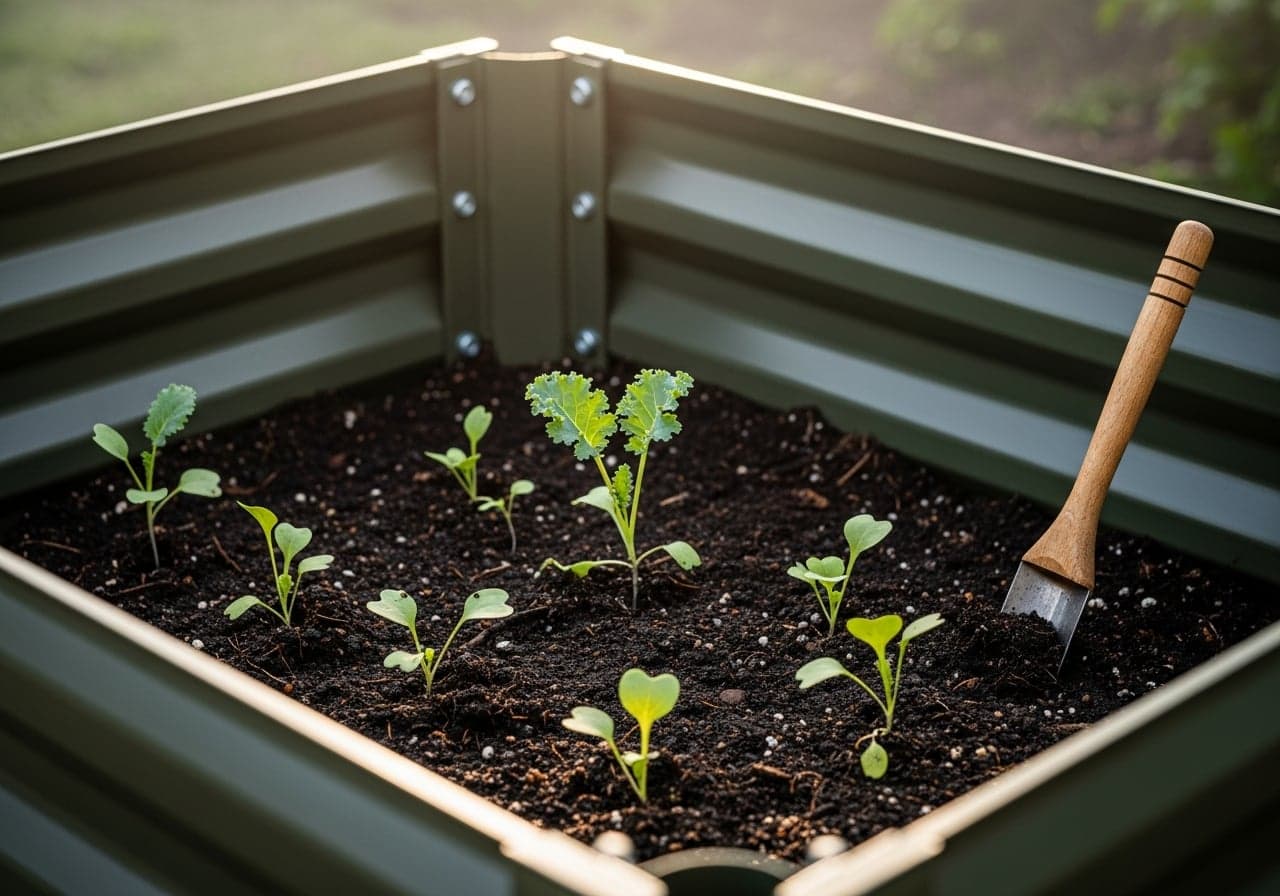
Raised beds are great for beginners because you control the soil completely. You're filling them with good soil rather than working with whatever clay or sand your yard naturally has. They also provide better drainage, warm up faster in spring, are easier on your back, and look tidy. The downside is the upfront cost of building or buying beds and filling them with soil.
In-ground gardens are cheaper to start and give you more planting space per dollar. But you're working with your existing soil, which might need significant amendment. You'll also deal with more weeds and potentially more drainage issues depending on your soil type.
My honest recommendation for beginners: start with one or two raised beds if your budget allows. Even a single 4x8 foot raised bed can produce a surprising amount of food, and the controlled environment makes success much more likely when you're learning.
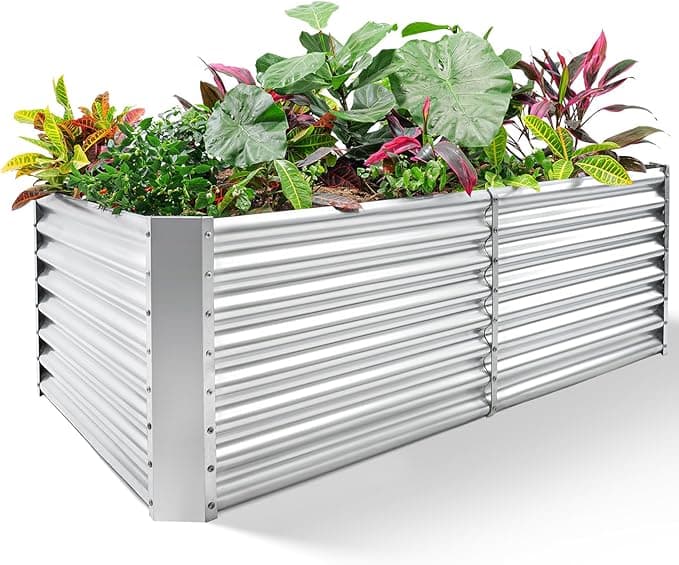
Land Guard 8x4x2 ft Galvanized Raised Garden Bed Kit
A sturdy, rust-resistant raised bed that goes together in minutes and lasts for years, giving you total control over your soil from day one.
If budget is tight, in-ground works perfectly fine, you'll just need to invest a bit more effort in understanding and improving your soil.
Understanding Soil (Without Getting a Chemistry Degree)
Soil is everything. It's the single biggest factor in whether your garden thrives or struggles. Here's what you need to know:
Good garden soil is loose, dark, and crumbly. If you squeeze a handful and it holds together briefly but crumbles apart when you poke it, that's good. If it forms a hard ball (clay) or falls apart immediately (sand), you've got work to do.
Compost is your best friend. No matter what kind of soil you're starting with, adding compost improves it. Compost improves clay soil drainage, helps sandy soil retain moisture, and adds nutrients that plants need. Work 2-3 inches of compost into your beds before planting, and add more each season.
For raised beds, a good starting mix is roughly one-third topsoil, one-third compost, and one-third peat moss or coconut coir. Some people use the "Mel's Mix" formula from Square Foot Gardening (equal parts compost, peat moss, and vermiculite), which also works well.
Don't skip a soil test if you're planting in-ground. Your local cooperative extension office can test your soil for a small fee (usually $15-20) and tell you exactly what amendments you need. This takes the guesswork out of it and can save you a lot of frustration.
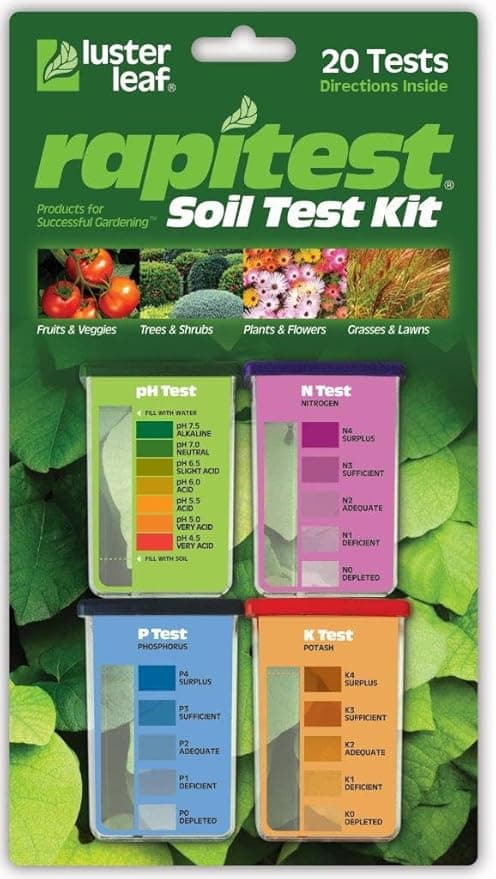
Rapitest Soil Test Kit for pH, Nitrogen, Phosphorus, and Potassium
An inexpensive way to check your soil's pH and nutrient levels at home so you know exactly what amendments to add before planting.
What to Plant First (The Beginner-Friendly List)
Not all vegetables are created equal when it comes to ease of growing. Here's what I recommend for your first garden:
The easiest wins:
- Lettuce and salad greens, Fast-growing, hard to mess up, and you can start harvesting in just a few weeks. Plant them in early spring or fall since they don't love summer heat.
- Zucchini and summer squash, These are the overachievers of the vegetable world. One plant will produce more zucchini than you can eat, which is why gardeners are always trying to give it away.
- Green beans (bush variety), Direct sow the seeds, water, and watch them go. Bush beans don't need a trellis and are extremely productive.
- Radishes, Ready in about 30 days from seed. Great for impatient gardeners (like me) who want to see fast results.
- Herbs, Basil, cilantro, parsley, and chives are all easy and incredibly useful in the kitchen.
Moderate difficulty (still great for beginners):
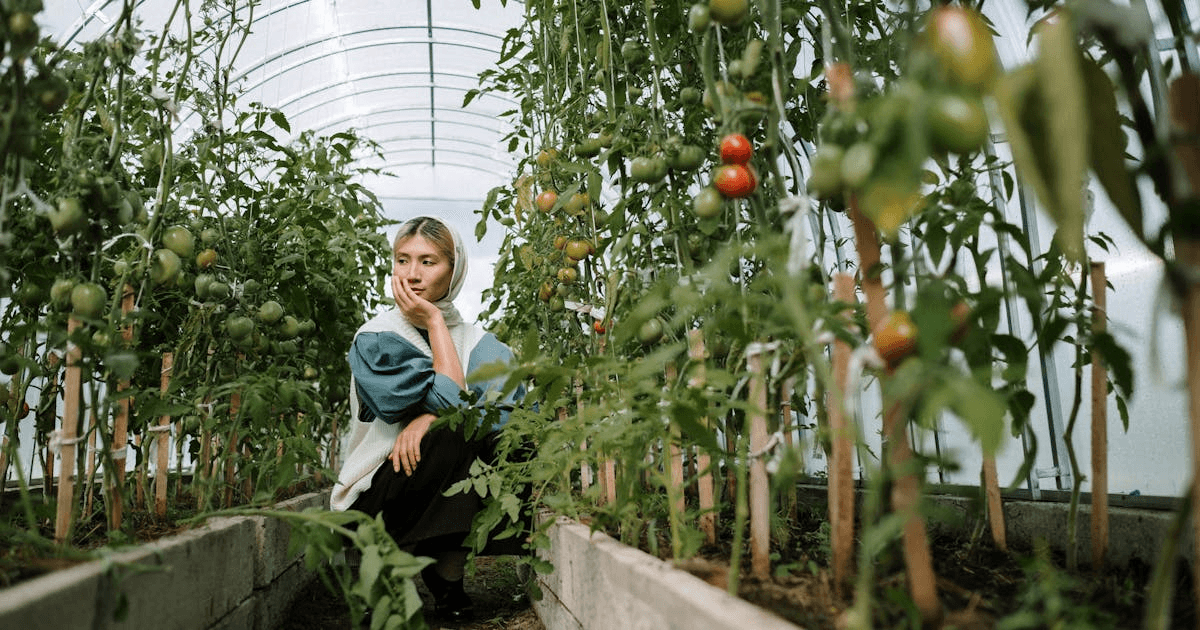
- Tomatoes, Buy transplants rather than starting from seed for your first year. Give them full sun, consistent water, and a cage or stake for support. Cherry tomato varieties are the most forgiving.
- Peppers, Similar care to tomatoes. They like warmth, so don't plant them too early.
- Cucumbers, Productive and fast-growing. Give them a trellis to save space and keep fruit off the ground.
Save for year two:
- Corn (needs a lot of space and specific pollination requirements)
- Melons (long season, lots of space, tricky watering)
- Cauliflower and broccoli (fussy about temperature)
Seasonal Planning Made Simple
Understanding when to plant what is probably the most confusing part of gardening for beginners. Here's the simplified version:
Know your frost dates. Look up the average last frost date in spring and first frost date in fall for your area. These dates determine your entire planting schedule. Your local cooperative extension website has this info.
Cool-season crops (lettuce, peas, spinach, kale, radishes, broccoli) go in the ground 2-4 weeks before your last frost date in spring. They can handle light frost and actually prefer cooler temperatures.
Warm-season crops (tomatoes, peppers, squash, beans, cucumbers) go in after all danger of frost has passed. These plants will die if they get frosted, so don't rush it no matter how tempting that first warm day feels.
Fall gardening is an often-overlooked opportunity. Many cool-season crops can be planted again in late summer for a fall harvest. Count backward from your first fall frost date to figure out when to plant.
A simple rule of thumb: If you're not sure when to plant something, check the seed packet or plant tag. It'll tell you the ideal planting window relative to your frost dates. When in doubt, err on the side of planting a little late rather than too early, a plant that goes into warm soil grows faster than one that sits in cold, wet ground waiting for temperatures to rise.
Watering Without Overthinking It
Overwatering kills more beginner gardens than underwatering. Here are the basics:
Water deeply and less frequently rather than a little bit every day. You want the water to reach deep roots, not just wet the surface. A good soak 2-3 times per week is usually better than light daily watering.
Water in the morning when possible. This gives leaves time to dry before evening, which helps prevent fungal diseases.
Check the soil before watering. Stick your finger an inch into the soil. If it's dry, water. If it's still moist, wait. Plants in containers dry out faster than those in the ground.
Mulch, mulch, mulch. A 2-3 inch layer of straw, wood chips, or shredded leaves on top of your soil reduces evaporation dramatically. I started mulching my second season and couldn't believe the difference in how much less I had to water.
Common Beginner Mistakes to Avoid
Planting too much at once. Your first garden doesn't need twenty different vegetables. Start with 4-5 that your family actually eats. A small, well-managed garden produces more than a large, neglected one.
Planting too close together. I know it's tempting to squeeze in more plants, but spacing matters. Crowded plants compete for sun, water, and nutrients, leading to smaller harvests and more disease. Follow the spacing on seed packets or plant tags.
Ignoring weeds. Weeds steal water and nutrients from your vegetables and can harbor pests. Spending 10 minutes pulling weeds every few days is much easier than tackling a jungle after three weeks of neglect. This is another reason mulch is your best friend, it suppresses weeds dramatically.
Skipping succession planting. If you plant all your lettuce seeds at once, you'll have more lettuce than you can eat for two weeks and then none. Instead, plant a small batch every 2-3 weeks for a continuous harvest throughout the season.
Not protecting against pests. Inspect your plants regularly. Catching a pest problem early (a few aphids, a couple of caterpillars) is infinitely easier than dealing with an infestation. Row cover fabric is a simple, chemical-free way to protect vulnerable crops from insects and critters.
You Will Make Mistakes (And That's the Point)
Your first garden probably won't be Pinterest-perfect, and that's completely fine. You might plant things too close together. You might forget to water for a week during a heat wave. A squirrel might eat all your tomatoes right before they're ripe (the audacity).
But you'll learn something from every mistake, and your second garden will be noticeably better. Your third will be even better than that. Gardening is a skill that rewards patience and observation, and every season teaches you something new about your specific yard, your soil, your climate, and what your family actually enjoys eating.
What About Containers?
If you don't have yard space or you're renting and can't dig up the lawn, container gardening is a completely viable option. Some vegetables do really well in pots:
- Tomatoes (cherry varieties especially) in a 5-gallon bucket or larger
- Peppers in 3-5 gallon containers
- Lettuce and greens in window boxes or shallow planters
- Herbs in just about any pot with drainage (see my full herb guide for details)
- Bush beans in a large container at least 12 inches deep
- Radishes in almost anything, they're extremely adaptable
The keys to successful container gardening: use quality potting mix (not garden soil, which compacts in containers), make sure every container has drainage holes, and know that containers dry out faster than in-ground beds, so you'll water more frequently, sometimes daily in the heat of summer.
Container gardens are also great stepping stones. They let you learn the basics of growing food without the commitment of building permanent garden beds. And if you move, your garden moves with you.
Start Small, Focus on a Few Things
I know I've given you a lot of information here, and I don't want it to feel overwhelming. If I could go back and whisper one thing to myself before my first garden, it would be this: just plant three things and take care of them well.
A small garden that gets attention produces more food than a big garden that gets neglected. Pick three vegetables your family loves, give them the sun, water, and soil they need, and enjoy the process. The first time you walk out your back door and pick dinner from your own garden, you'll understand exactly why people get hooked on this.