Growing Herbs at Home: A Complete Beginner's Guide
Learn how to grow herbs at home, the best herbs for beginners, indoor vs outdoor growing, harvesting tips, and how to preserve your herbs for year-round use.
If someone asked me what single thing made the biggest immediate impact on my cooking, I'd say growing my own herbs. Not because I'm some kind of master gardener, I'm really not, but because having fresh herbs within arm's reach completely changes how you cook. You stop treating them as an optional garnish and start using them as a core ingredient. A handful of fresh basil torn over pasta. Rosemary clipped from the plant on your porch and tucked into a roasting pan with chicken. Mint muddled into a cold drink on a hot afternoon.
And here's the thing: herbs are one of the easiest plants to grow. If you can keep a basic houseplant alive (and even if you can't, we'll get there), you can grow herbs. They're the perfect entry point into gardening and homesteading, and they'll save you money every week on those little plastic clamshell packages at the grocery store that always seem to go bad before you use them all.
The Best Herbs to Start With
Not all herbs are equally beginner-friendly. Start with the ones that are hard to kill and that you'll actually use in your cooking:
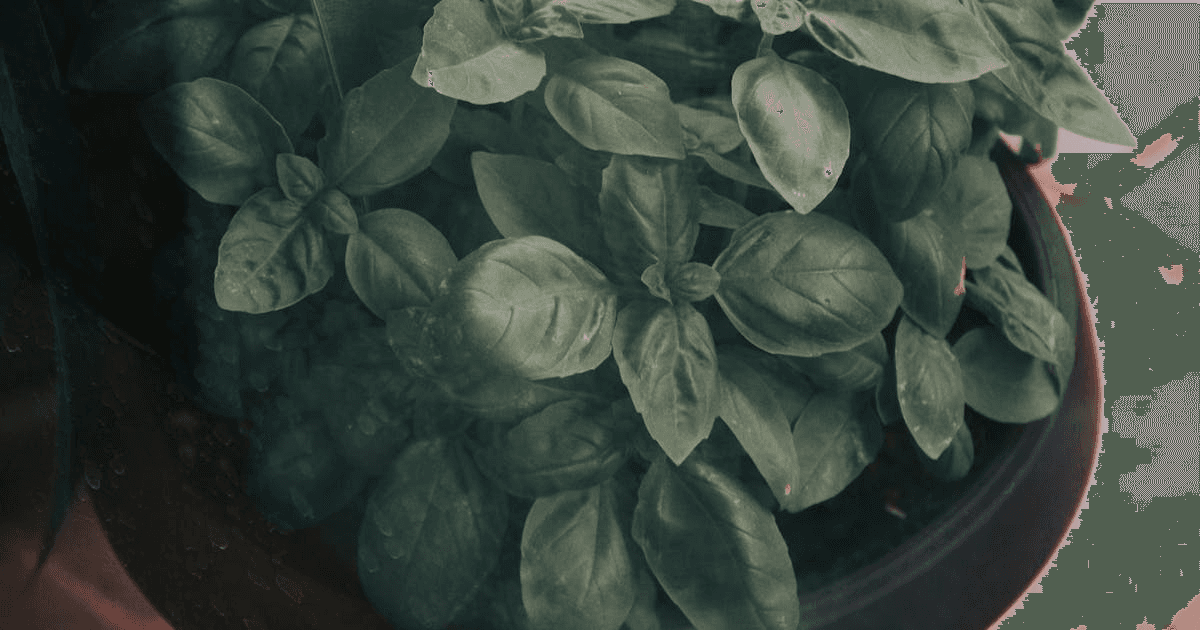
Basil, The gateway herb. It grows fast, produces abundantly, and goes in everything from pasta to salads to cocktails. It likes warmth and sun, so it's happiest in summer or on a sunny windowsill. Pinch off the flower buds when they appear to keep the plant producing leaves.
Mint, Almost impossible to kill, which is both its strength and its weakness. Mint spreads aggressively, so always grow it in a container unless you want it taking over your garden bed. It's wonderful in drinks, desserts, salads, and even savory dishes. Spearmint and peppermint are the two most common varieties.
Rosemary, A woody perennial that can live for years with minimal care. It wants full sun, well-drained soil, and honestly prefers to be slightly neglected. Overwatering is the most common way people kill rosemary. It's fantastic with roasted meats, potatoes, bread, and focaccia.
Chives, These come back year after year once established, they're incredibly low-maintenance, and they produce pretty purple flowers in spring that are also edible. Snip what you need with scissors. Use them anywhere you'd use a mild onion flavor, eggs, baked potatoes, cream cheese, soups.
Parsley, Both flat-leaf (Italian) and curly varieties are easy to grow. Flat-leaf has more flavor for cooking. Parsley is biennial, meaning it grows leaves the first year and goes to seed the second. It's a kitchen workhorse, chimichurri, tabbouleh, pasta, and as a finishing herb on almost anything savory.
Cilantro, This one comes with a caveat: cilantro bolts (goes to seed) quickly in hot weather. It's best grown in cooler months (spring and fall) or in partial shade during summer. If it does bolt, let it, the seeds are coriander, which is another useful spice. Plant successive batches every 2-3 weeks for a continuous supply.
Thyme, Low-growing, drought-tolerant, and practically un-killable once established. It's a perennial that loves sun and doesn't need much water. Essential for soups, stews, roasted vegetables, and French cooking.
Oregano, Another hardy perennial that spreads easily (contain it if you don't want it everywhere). Greek oregano has the best flavor for cooking. It dries exceptionally well, just hang a bundle upside down and you've got homemade dried oregano that puts the store-bought stuff to shame.
Dill, Fast-growing and perfect if you love pickles, fish dishes, or potato salads. Like cilantro, it bolts in heat, so plant it in cooler months for the best leaf production. If it goes to seed, save the dill seeds, they're a wonderful spice for bread, pickles, and seasoning blends.
Indoor vs. Outdoor Growing
Outdoor herb gardens are generally easier because herbs get natural sunlight, rain, and better air circulation. Even a small section of a garden bed, a few pots on a patio, or a window box can support a productive herb garden. Most culinary herbs want 6-8 hours of direct sun.
Indoor herb growing works well but requires a bit more attention. The biggest challenge indoors is light, most kitchens don't get enough natural sunlight for herbs to truly thrive. If you have a south-facing window that gets at least 6 hours of direct sun, you're in good shape. If not, a small clip-on LED grow light can make all the difference. I have one over my kitchen windowsill herbs during winter and it keeps them producing when natural light is scarce.
Best herbs for indoor growing: basil, chives, parsley, mint, and cilantro. These adapt to container life relatively well.
Better outdoors: rosemary, thyme, sage, and oregano. These Mediterranean herbs want lots of sun and excellent drainage, which is harder to replicate indoors.
Container tips for both indoor and outdoor herbs:
- Use pots with drainage holes, herbs hate sitting in waterlogged soil
- A well-draining potting mix is essential (add perlite to improve drainage if needed)
- Don't over-pot, herbs do well in snug containers
- Terra cotta pots are great because they breathe, but they dry out faster so you'll water more frequently
- Group herbs with similar water needs together (rosemary and thyme like it drier; basil and parsley like consistent moisture)
- If growing on a windowsill, rotate pots a quarter turn every few days so plants grow evenly instead of leaning toward the light
How to Harvest Herbs (The Right Way)
This is where most beginners go wrong, they either harvest too timidly (picking one leaf at a time) or too aggressively (cutting the whole plant down at once). Here's the approach that keeps your herbs healthy and productive:
The general rule: never harvest more than one-third of the plant at a time. This leaves enough foliage for the plant to continue photosynthesizing and growing back.
For leafy herbs (basil, parsley, cilantro): Cut stems just above a set of leaves. This encourages the plant to branch out and become bushier, giving you more to harvest next time. For basil, always pinch from the top down, this promotes bushy growth instead of a single tall stalk.
For woody herbs (rosemary, thyme, oregano): Snip sprigs from the tips of the branches. Don't cut into the old, woody growth, it won't regenerate. Keep your cuts in the green, flexible part of the stem.
For chives: Snip what you need with scissors, cutting from the outside of the clump about an inch above the soil. They'll grow right back.
Harvest in the morning when the essential oils in the leaves are most concentrated. This gives you the most flavor per leaf.
Harvest regularly. This might seem counterintuitive, but regularly cutting your herbs actually makes them grow more vigorously. A plant that's never harvested will eventually bolt (go to flower and seed), at which point the leaves lose much of their flavor.
Preserving Your Herb Harvest
Growing herbs is great, but at peak season you'll likely have more than you can use fresh. Here's how to preserve the surplus:
Drying, The simplest method. Tie small bundles of herbs with string and hang them upside down in a warm, dry, well-ventilated area (not in direct sunlight, which fades flavor). Once completely dry and crumbly (1-2 weeks), strip the leaves from the stems and store in airtight jars. Rosemary, thyme, oregano, and sage dry beautifully. Basil and cilantro lose a lot of flavor when dried, so I preserve those differently.
Freezing in olive oil, My favorite method for basil, cilantro, and parsley. Chop the herbs finely, pack them into ice cube trays, cover with olive oil, and freeze. Once frozen, pop the cubes out and store them in a freezer bag. Drop a cube directly into pasta sauce, soup, or a sautee pan. The oil protects the herbs from freezer burn and the flavor stays remarkably bright.
Freezing whole, Some herbs (especially flat-leaf parsley and chives) freeze well just laid flat on a baking sheet, then transferred to a freezer bag. They'll be wilted when thawed, so use them in cooked dishes rather than as a fresh garnish.
Herb butter, Mix softened butter with finely chopped herbs, roll into a log in plastic wrap, and freeze. Slice off rounds to melt over steak, fish, corn on the cob, or baked potatoes. Rosemary butter, garlic-chive butter, and basil-lemon butter are my favorites.
Herb salt, Blend fresh herbs with coarse salt in a food processor and spread on a baking sheet to dry. The result is a beautifully fragrant finishing salt. Rosemary salt and thyme salt are staples in my kitchen.
Cooking With Fresh Herbs: A Quick Primer
Growing herbs is only half the equation, knowing how to use them is where the real magic happens. A few tips that transformed my cooking:
Add hardy herbs early, tender herbs late. Woody herbs like rosemary, thyme, and sage can withstand heat and should be added early in cooking so their flavors meld into the dish. Delicate herbs like basil, cilantro, mint, and parsley lose flavor and color when cooked too long, stir them in at the end or use them as a finishing touch.
Use more than you think. Fresh herbs are less concentrated than dried. A recipe that calls for 1 teaspoon of dried basil needs roughly 1 tablespoon of fresh. Don't be shy, a generous handful of fresh herbs elevates a dish in a way that a timid sprinkling never will.
Pair herbs with what they complement. Some classic combinations to get you started: basil with tomatoes and mozzarella, rosemary with roasted potatoes and chicken, cilantro with lime and avocado, mint with watermelon or lamb, thyme with mushrooms and root vegetables, dill with salmon and cucumbers.
Make herb-forward dishes. Instead of just sprinkling herbs on top, try dishes where herbs are the star: pesto (basil or parsley), chimichurri (parsley and oregano), tzatziki (dill), salsa verde (cilantro or parsley), herb salads, and herb compound butters.
Common Herb-Growing Mistakes
Overwatering. This is the number one killer of herbs, especially indoor ones. Most herbs prefer to dry out slightly between waterings. Stick your finger in the soil, if the top inch is dry, water. If it's still moist, wait.
Not enough light. Leggy, pale herbs that are stretching toward a window are telling you they need more sun. Move them to a brighter spot or add supplemental light.
Planting mint in the ground without containment. I made this mistake and spent two years pulling mint runners out of my flower beds. Always contain mint in a pot, even if that pot is buried in the ground.
Letting herbs flower without realizing it. Once most herbs flower, the leaves become bitter and the plant puts all its energy into seed production. Pinch off flowers as soon as you see them forming (unless you want seeds, cilantro/coriander, for example).
Starting with too many varieties. Pick 3-4 herbs you actually cook with regularly. There's no point growing tarragon if your family eats tacos every week, grow cilantro instead. Match your herb garden to your cooking habits.
Using garden soil in containers. Garden soil compacts in pots and drains poorly. Always use potting mix for container-grown herbs. It's lighter, drains better, and won't introduce weed seeds or soil-borne diseases to your indoor plants.
Placing herbs too far from the kitchen. This is practical, not botanical, but it matters. If your herbs are in the far corner of the yard, you won't use them as often. Keep your most-used herbs as close to your kitchen as possible, on the windowsill, by the back door, or on the patio right outside. The easier they are to reach, the more you'll actually cook with them.
Growing Herbs From Seed vs. Buying Plants
You can absolutely start herbs from seed, and it's significantly cheaper. A packet of basil seeds costs a couple of dollars and contains dozens of seeds. But seeds require patience, most herbs take 1-3 weeks to germinate and several more weeks before they're ready to harvest.
Buying established plants from a nursery or garden center gives you a head start. You'll be harvesting within days instead of weeks. The tradeoff is cost, a single herb plant typically runs $3-$6.
My approach: I buy rosemary, thyme, and sage as plants because they're perennials that will come back year after year, making the upfront cost worth it. I grow basil, cilantro, and parsley from seed because they're annuals that need to be replanted each year, and seeds are so much cheaper for plants I'll go through in a single season.
A trick for free herbs: Many herbs root easily in water. Snip a 4-inch cutting of basil, mint, or rosemary from a friend's plant (or even a grocery store bunch), strip the lower leaves, and put it in a glass of water on a sunny windowsill. Within a week or two, you'll see roots forming. Once the roots are an inch long, plant in soil. Free herb plant.
Start This Weekend
Here's my challenge: buy one herb plant this weekend. Just one. A pot of basil from the grocery store, a rosemary plant from the garden center, whatever appeals to you. Put it in a sunny spot, water it when it's dry, and start cooking with it.
Once you taste the difference between fresh herbs you grew yourself and the dried stuff from a jar, you'll be hooked. And from that one little pot of basil, a whole homesteading journey might grow.
The best part about growing herbs is that you get an almost instant return. Unlike vegetable gardening, where you might wait months for a harvest, herbs reward you within days of bringing them home. That immediate gratification builds confidence and momentum, and before you know it, you'll be eyeing that sunny corner of the yard wondering if you have room for a few tomato plants too.
And if you're looking for a sturdy herb planter set to get started, a compact 3-pot windowsill planter with a tray fits perfectly on a patio, balcony, or right beside your kitchen door. Having your herbs in a dedicated planter keeps things tidy and makes watering and harvesting incredibly convenient.