Backyard Chickens: A Beginner's Guide to Your First Flock
Everything you need to know about raising backyard chickens as a beginner, breeds, coops, feeding, eggs, and the mistakes I wish someone had warned me about.
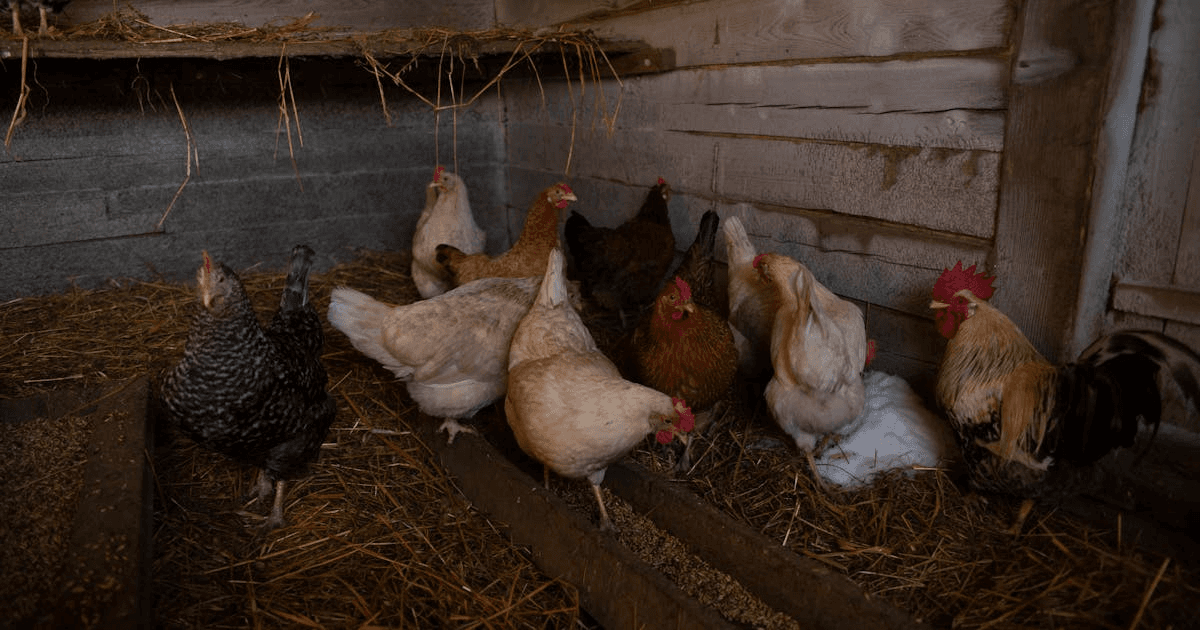
Getting backyard chickens was one of the best decisions I've made on this homesteading journey, and also one of the most humbling. Because nothing prepares you for the moment you're standing in your pajamas at 6 AM trying to figure out why one hen is screaming at the top of her lungs while the others stare at you with zero sympathy.
But honestly? Chickens are way more manageable than I expected. They're funny, surprisingly personable, and the eggs, oh, the eggs. Once you've had a fresh egg from your own backyard, grocery store eggs just feel sad by comparison.
If you've been thinking about getting chickens but feel overwhelmed by everything you need to know, this guide is for you. I'm going to keep it practical and real.
Check Your Local Laws First
Before you do anything else, look up your local ordinances. Many suburban areas allow backyard chickens, but the rules vary wildly. Some things to check:
- Are chickens allowed in your zoning area?
- Is there a limit on the number of hens you can keep?
- Are roosters allowed? (Spoiler: usually no, and you don't need one for eggs anyway.)
- Are there setback requirements for the coop, how far from property lines or your house?
- Do you need a permit?
Your city or county website should have this information, or you can call your local zoning office. Don't skip this step. The last thing you want is to invest time and money and then get a complaint from a neighbor.
Best Breeds for Beginners
Not all chicken breeds are created equal, especially if you're new to this. Here are my top recommendations for first-time chicken keepers:
Rhode Island Reds, Hands down one of the best beginner breeds. They're hardy, friendly, and excellent layers. You can expect around 250-300 brown eggs per year per hen. They handle both heat and cold reasonably well.
Buff Orpingtons, These are the golden retrievers of the chicken world. They're fluffy, docile, great with kids, and solid layers. They go broody sometimes (meaning they want to sit on eggs and hatch them), which can be annoying if you just want eggs, but overall they're wonderful.
Plymouth Rocks (Barred Rocks), Another great all-around breed. They're calm, curious, and consistent layers. The classic black and white barred pattern is also really pretty.
Australorps, These ladies are egg-laying machines. They actually hold the world record for most eggs laid in a year. They're also gentle and quiet, which is a plus if you have neighbors nearby. Their glossy black feathers have a beautiful green sheen in the sunlight.
Wyandottes, Hardy, beautiful, and good layers. They come in stunning color patterns (silver laced is particularly gorgeous). They're cold-hardy, which makes them a great choice for northern climates, and they tend to be calm and friendly.
Easter Eggers, Not technically a breed but a mixed variety that lays blue or green eggs. Kids absolutely love these, and they're generally friendly and hardy.
I'd recommend starting with 3-4 hens. That's enough to give you a steady supply of eggs without being overwhelming for your first go.
A note on where to get chicks: local farm supply stores (like Tractor Supply) sell chicks in spring, and you can often pick specific breeds. You can also order from hatcheries online, which ship day-old chicks through the mail, yes, really, it works. Local breeders and poultry swaps are another option and a great way to find breeds adapted to your climate. If you want eggs sooner rather than later, look for "started pullets", young hens that are 15-20 weeks old and close to laying age. They cost more but skip the months of waiting for baby chicks to mature.
Chick Brooder Heat Plate, Safer, Energy-Efficient Alternative to Heat Lamps
Heat lamps are a real fire risk in a coop or garage. A radiant heat plate mimics a mother hen, stays cool to the touch on top, and uses a fraction of the power. Adjustable legs grow with your chicks from day-olds to about five weeks.
Shop chick brooder heat plates on Amazon →
Coop Basics
Your coop doesn't need to be fancy, but it does need to be functional. Here's what matters:
Space. Plan for at least 4 square feet per chicken inside the coop and 8-10 square feet per chicken in an outdoor run. Overcrowding leads to stress, pecking, and health problems. More space is always better.
Ventilation. This is the thing most beginners overlook. Your coop needs good airflow to prevent moisture buildup, which causes respiratory issues. Ventilation near the roofline (not at roost level) is ideal.
Predator protection. This is non-negotiable. Raccoons, hawks, foxes, dogs, and even rats will go after your chickens or their eggs. Use hardware cloth (not chicken wire, raccoons can reach right through it), secure latches that raccoons can't open (they're shockingly dexterous), and make sure your coop is locked up at night.
1/2-Inch Galvanized Hardware Cloth, Predator-Proof Welded Wire Mesh
Half-inch openings are small enough to stop raccoons from reaching through, weasels from squeezing in, and snakes from slipping through to eat eggs. Staple it over every window, vent, and run panel, yes, it's pricier than chicken wire, but it's the single biggest thing that'll keep your flock alive.
Shop hardware cloth on Amazon →
Nesting boxes. One box for every 3-4 hens. They'll probably all try to use the same one anyway because chickens are ridiculous, but have extras available. Line them with straw or pine shavings and keep them clean, this keeps your eggs clean too and reduces the chance of hens eating their own eggs (yes, that's a thing).
Roosts. Chickens sleep on roosts, not on the ground. Provide a roost bar that's about 2 inches wide, and place it higher than the nesting boxes so they don't sleep in the boxes and dirty them up. Allow about 8-10 inches of roost space per bird.
Easy cleaning access. Trust me on this, you want to be able to clean the coop without contorting yourself. A door that opens wide or a roof that lifts up makes weekly cleaning so much less painful.
Feeding Your Flock
Feeding chickens is simpler than you might think:
Layer feed is the foundation. Once your hens are laying (around 18-20 weeks old), they need a complete layer feed that's 16% protein. This provides the nutrients they need for egg production.
Oyster shell should be offered free-choice in a separate container. This gives them extra calcium for strong eggshells. Not all hens will eat it, and that's fine, they know what they need.
Grit is essential if your chickens don't have access to dirt and small rocks. They use grit in their gizzard to grind up food since they don't have teeth.
Fresh water every single day. Chickens drink a surprising amount of water, and they won't eat if they don't have water available. In winter, you'll need to make sure it doesn't freeze.
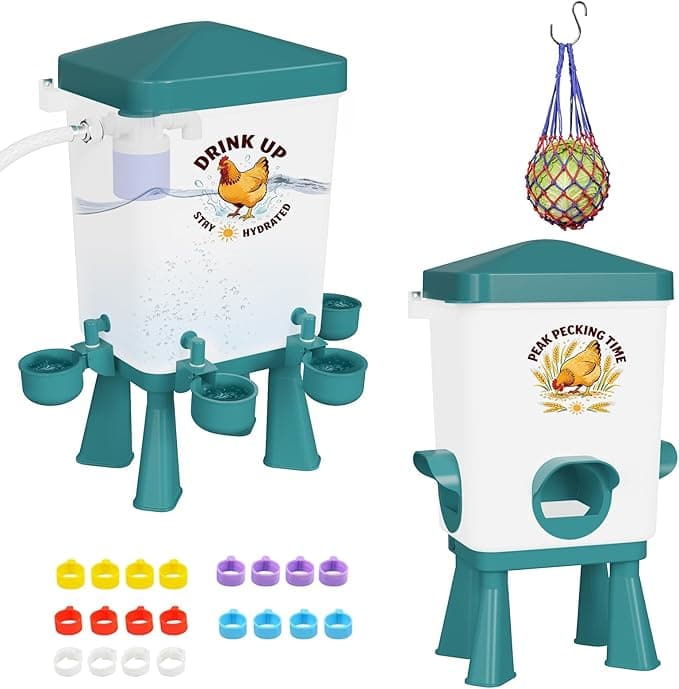
Chicken Feeder and Waterer Set, No-Waste Hanging Poultry Feeder with 3-Gallon Waterer
This feeder and waterer combo keeps food dry and water clean, reduces waste, and makes daily chores so much easier for a small backyard flock.
Kitchen scraps can supplement their diet, but keep it reasonable, treats should be no more than 10% of their overall intake. Good scraps include vegetable peels, fruit, cooked rice, and mealworms (they go absolutely wild for mealworms). Avoid avocado, raw beans, chocolate, and anything moldy.
Dried Mealworms (Bulk), The Treat Chickens Go Absolutely Wild For
Nothing gets a flock sprinting across the yard faster than a handful of these. Great for training hens to come when you call, giving them a protein boost during molt, and sneaking in some snuggle time with the more skittish ones.
Shop dried mealworms on Amazon →
Free ranging is a wonderful supplement if your setup allows it. Letting chickens forage in a fenced yard gives them access to bugs, worms, and greens that improve both their nutrition and the flavor of their eggs. Even a couple of hours of supervised free-range time each afternoon makes a difference. Just be mindful of predators, hawks and neighborhood dogs are the biggest daytime threats for free-ranging flocks.
What to Expect With Egg Production
Here's the truth about eggs that social media doesn't always show you:
Hens typically start laying around 18-24 weeks old, depending on the breed and the time of year. When they first start, the eggs might be small, oddly shaped, or even shell-less. This is totally normal, they're figuring it out.
Most hens lay about 5-6 eggs per week during peak production. This drops significantly in winter when daylight hours decrease. Some people add artificial light to keep production up, but I personally let mine have a natural rest period.
Egg production also declines with age. Your hens will lay the most in their first two years, then gradually slow down. By year 4-5, many hens are only laying a few eggs a week. This is something to think about, are you okay with keeping them as pets once they slow down?
And eggs don't need to be refrigerated immediately if they're unwashed. Fresh eggs have a natural protective coating called the bloom that keeps bacteria out. Once you wash them, they need to go in the fridge.
Common Beginner Mistakes
Buying too many chickens at once. Start small. You can always add to your flock later, but starting with ten birds when you've never cared for chickens is a recipe for overwhelm.
Using chicken wire for predator protection. Chicken wire keeps chickens in but doesn't keep predators out. Hardware cloth with half-inch openings is what you want.
Not providing enough ventilation. A stuffy coop is a sick coop. Even in winter, your birds need fresh air flow.
Expecting eggs immediately. Chicks take 4-6 months to start laying. If you want eggs faster, buy started pullets (young hens that are close to laying age).
Ignoring signs of illness. Learn what a healthy chicken looks like, bright eyes, active, good appetite, smooth feathers. A lethargic hen with puffed-up feathers, discharge, or strange droppings needs attention. Having a basic chicken first aid kit and knowing a poultry-friendly vet in your area is worth the effort.
Not having a plan for manure. Chickens produce a lot of poop. A lot. The good news is it makes incredible compost, chicken manure is one of the richest natural fertilizers available for your garden. The bad news is you need a system for managing it. Deep litter method in the coop works great, you add fresh bedding on top and do a full cleanout a few times a year. The spent bedding goes straight into the compost pile, where it breaks down into garden gold.
Forgetting about dust baths. Chickens need to dust bathe, it's how they keep mites and parasites at bay. Provide an area of loose, dry dirt or sand where they can roll around. They look ridiculous doing it (it looks like they're having a seizure the first time you see it), but it's essential for their health.
Food-Grade Diatomaceous Earth, Natural Mite and Parasite Defense
A couple of scoops stirred into their dust bath area makes a real difference for keeping mites, lice, and fleas off your flock. Food-grade is the important bit, it's safe around chickens, kids, and anyone helping with coop chores.
Shop food-grade diatomaceous earth on Amazon →
What About the Cost?
Let's talk money, because I think it's important to set realistic expectations.
Startup costs for backyard chickens range from about $200-$500 depending on your coop situation. If you buy a pre-made coop, that's your biggest expense. If you build one from reclaimed materials or repurpose an existing structure (an old shed, a large dog house), you can cut that significantly.
Chicks from a hatchery or feed store run $3-$5 each. Started pullets (closer to laying age) are more like $15-$25 each. Factor in a feeder, waterer, starter feed, and bedding, and your first month is the priciest.
Ongoing costs are mainly feed. A bag of layer feed costs roughly $15-$20 and lasts 3-4 hens about a month, depending on how much they supplement with free-ranging and kitchen scraps. Bedding for the coop adds another $10-$15 per month. So you're looking at roughly $25-$35 per month for a small flock.
The egg math. Three to four hens will give you roughly a dozen eggs a week during peak production. At current grocery store prices for quality eggs (and especially for pastured or organic eggs), the eggs alone can justify the ongoing feed costs. You probably won't "save money" in year one when you factor in startup costs, but by year two, the economics work in your favor, especially if you compare against the farm-fresh eggs that would cost $6-$8 a dozen.
But honestly, the value goes beyond egg math. The pest control, the compost material, the education for your kids, the entertainment (chickens are genuinely funny creatures), and the satisfaction of producing your own food, those don't show up on a spreadsheet, but they're real.
Is It Worth It?
Absolutely. Fresh eggs are just the beginning. Chickens are genuinely entertaining to watch, they eat bugs and ticks from your yard, their manure is amazing for your garden, and there's something deeply satisfying about collecting warm eggs every morning.
Are there early mornings and mucking out coops and the occasional concern about a sick hen? Yes. But I wouldn't trade my flock for anything. They've become an integral part of our homestead and our family's daily rhythm.
One thing no one told me before I got chickens: they have real personalities. Some are bold and curious and follow you around the yard like little dinosaur puppies. Others are shy and hang back. Some are chatty, some are quiet. My kids have names for all of them and can tell you each hen's personality quirks in exhaustive detail. They're not just egg-producing machines, they're genuinely enjoyable animals to have around.
If you've been on the fence, start doing your research, check your local laws, and seriously consider taking the leap. Your future self (and your breakfast) will thank you.
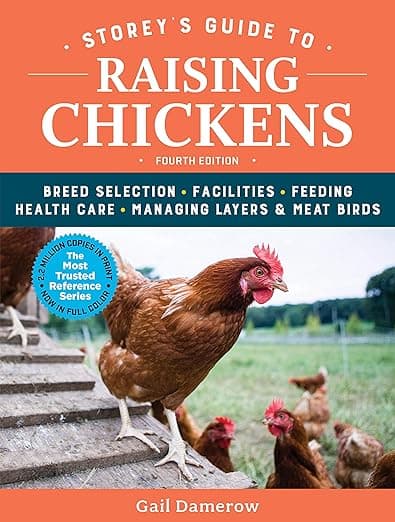
Storey's Guide to Raising Chickens, The Complete Care Handbook for All Flock Sizes
This is the chicken-keeping reference book I go back to over and over again, covering everything from breed selection to health issues in one thorough guide.