Best Wireless Earbuds for Women: Honest Reviews
Four wireless earbuds worth buying: AirPods Pro 3, Sony XM6, Bose QC Ultra 2, and the best budget pick under $60. Honest reviews covering ANC, fit, and battery.

I have gone through a lot of earbuds. There was the pair that sounded incredible but fell out every time I turned my head. The pair with battery life so short I was charging them at my desk twice a day. The pair that fit perfectly but whose microphone made me sound like I was calling from inside a tin can. After enough of those experiences, I got pretty good at figuring out what actually matters and what is just clever marketing.
These four are the ones I would genuinely recommend right now, at different price points and for different priorities. One note before you read: fit matters more than anything else on this list. The best earbuds in the world are useless if they do not stay in your ears or create a proper seal. I have included a section below on troubleshooting fit, but if you are someone who has always struggled to keep earbuds in, pay attention to that part as much as the reviews themselves.
What to Actually Look For
Most earbud reviews focus on specs that are hard to translate into real life. Here is what I have found genuinely matters after testing a lot of them.
Active noise cancellation quality. Not all ANC is equal. The difference between budget and premium ANC is significant, particularly for blocking voices, traffic, and HVAC hum. Budget ANC handles low rumbles reasonably well but tends to struggle with speech and variable sounds. If noise cancellation is your primary reason for buying, it is worth spending more.
Battery life per charge, not just total. Marketing loves to lead with "32 hours total" and bury the fact that the earbuds themselves only last 6 hours. For commuting and working out, the per-earbud number is what matters most. The case is a backup, not a primary plan.
Fit and ear tip options. A proper seal is what makes noise cancellation effective and determines bass response. Look for models that include multiple tip sizes, including foam tips if you have small or oddly shaped ear canals. The seal feeling like a slight suction when you insert is the signal you want.
Transparency mode. This lets ambient sound in so you can hear conversations without removing the earbuds. I use transparency mode at least as often as ANC during errands, at the gym, and anywhere I need to stay aware of my surroundings.
IPX water resistance. IPX4 covers sweat and light splashing. If you use earbuds during workouts, this is the minimum I would accept.
Apple AirPods Pro 3
The AirPods Pro 3 are the best all-around earbuds I would recommend for everyday life, and the third generation brought two genuinely useful new features: heart rate sensing and live translation.
The heart rate sensor reads continuous data during activity, turning the earbuds into a light fitness tracker. If you want heart rate monitoring without wearing a band on your wrist all day, this is a compelling use case. The data syncs to the Apple Health app automatically.
Live translation processes speech in real time and plays a translated version in your ear. It is not a replacement for actually learning a language, but for travel abroad or navigating a language barrier in daily life, it removes real friction. I have used it during trips and the experience is genuinely smooth.
The ANC is Apple's best yet, and it blocks voices and variable sounds effectively, not just low-frequency hum. In a busy coffee shop, I can reach a level of focus that previously required over-ear headphones. Battery is 8 hours per charge with ANC active, up from 6 on the Pro 2, with 24 additional hours in the case.
The AirPods Pro 3 include five ear tip sizes including a new XXS, which matters for anyone with smaller ear canals who has struggled to get a seal with previous AirPods.
Honest limitation: these are Apple ecosystem earbuds. They connect instantly and switch seamlessly between iPhone, iPad, and Mac, and that behavior is a real advantage if you use multiple Apple devices. On Android they work as standard Bluetooth earbuds, but you lose automatic switching, spatial audio with head tracking, and the Hearing Test feature. If you use Android primarily, a different pair will serve you better.
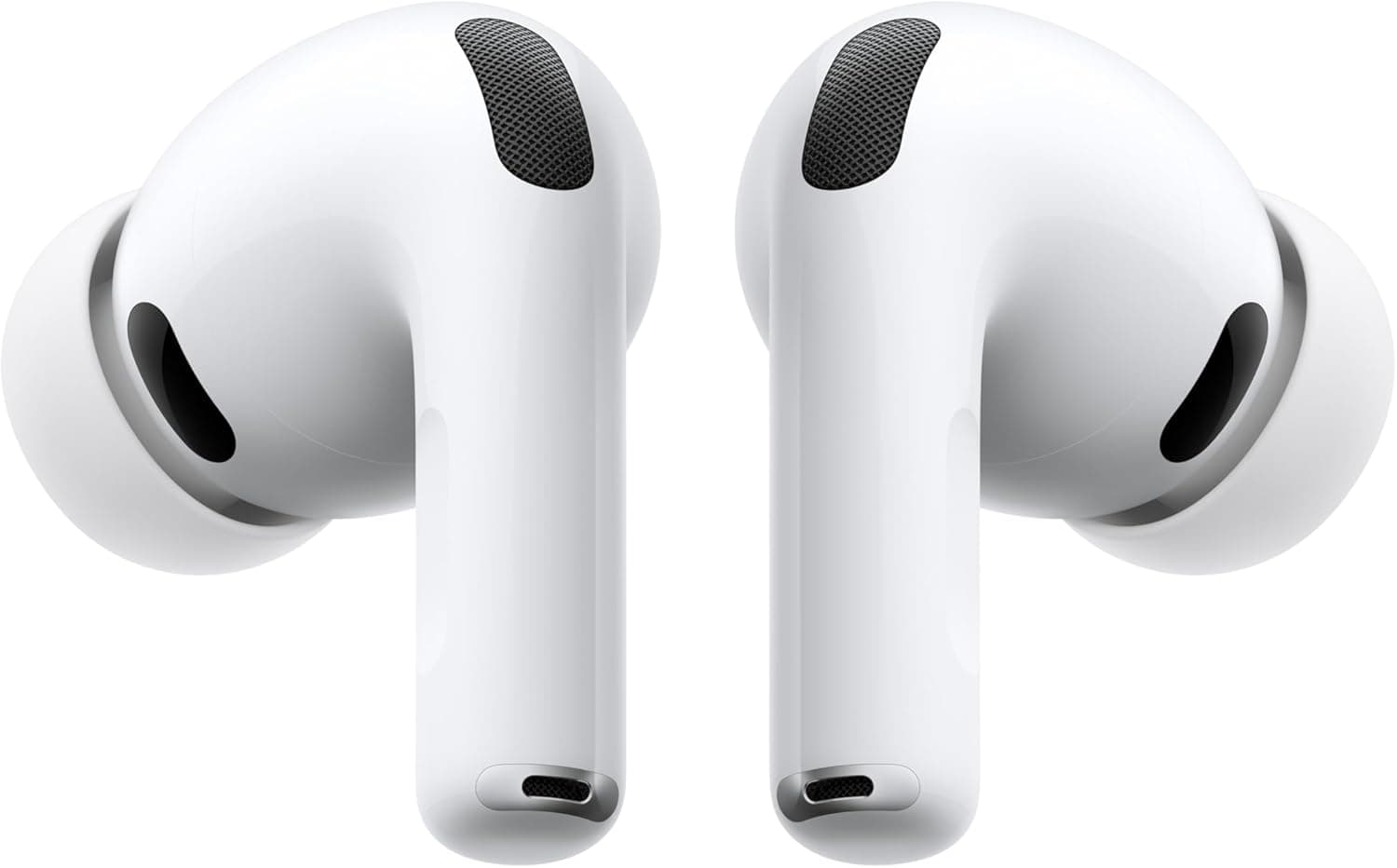
Apple AirPods Pro 3 Wireless Earbuds with Active Noise Cancellation
Apple's most capable earbuds, with heart rate sensing, live translation, and their most effective ANC to date. Eight hours per charge with ANC on, instant pairing and seamless switching across Apple devices, and five ear tip sizes including XXS. Best for iPhone users who want earbuds that double as a light fitness tracker.
Sony WF-1000XM6
If noise cancellation is your top priority and you do not need Apple ecosystem integration, the Sony WF-1000XM6 is the category benchmark. The 2026 model improves on the already-excellent XM5 with more efficient ANC processing and enhanced audio fidelity.
Sony's Integrated Processor V2 handles ANC and sound quality simultaneously, and the ANC adapts to your environment in real time without requiring manual adjustments. Walking from a quiet office into a loud hallway, the XM6 recalibrates within seconds. Reviewers who test earbuds professionally consistently cite this model as the strongest for blocking voices and unpredictable ambient sound.
Sound quality is studio-level by earbuds standards. LDAC codec support delivers three times more audio data than standard Bluetooth when connected to a compatible device (most recent Android phones and some laptops). The sound staging and separation are noticeably better than most earbuds, including the AirPods Pro 3, which prioritizes voice clarity over audiophile-level music reproduction.
Battery is 12 hours per charge without ANC, dropping to around 8 hours with ANC active. The case adds another 24 hours total. That 12-hour figure makes these a strong choice for long travel days when you do not want to think about charging.
Honest limitation: the XM6 is larger than average. The earbuds sit more prominently in the ear, and some users find the fit uncomfortable during extended wear. Sony ships both silicone and foam tips in four sizes, which helps considerably, but if you have very small ear canals, the form factor may not work for you.
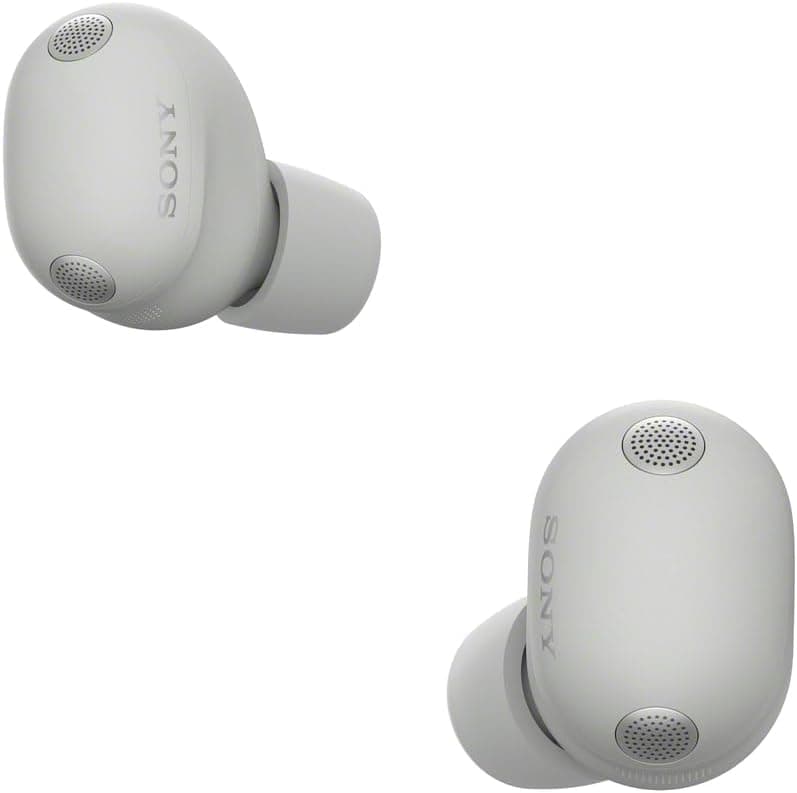
Sony WF-1000XM6 Truly Wireless Noise Cancelling Earbuds
The noise cancellation benchmark. Sony's XM6 leads the category for blocking voices and variable ambient sound, with studio-quality audio and LDAC support for Android. Up to 12 hours per charge without ANC, real-time adaptive noise canceling, and four tip sizes including foam. The go-to pick for Android users and anyone who needs the absolute best ANC available.
Bose QuietComfort Ultra Earbuds (2nd Gen)
The Bose QuietComfort Ultra earbuds have had the reputation for best-in-class comfort for years, and the second generation addresses the one real complaint about the original: some people found the original slightly uncomfortable after three or four hours. If you wear earbuds for extended sessions, Bose has historically been the answer.
The Ultra 2 uses CustomTune technology, which plays a brief chirp and analyzes how the sound bounces back from your specific ear canal geometry to calibrate both ANC and equalization individually every time you put them in. The result is noise cancellation that feels tuned to your anatomy rather than a generic setting.
Bose Immersive Audio creates a wider stereo stage than standard earbuds. Content mixed in spatial audio sounds noticeably more dimensional than it does through most other earbuds. For music listening specifically, this is a meaningful difference.
Battery is 6 hours per charge with ANC active. That is shorter than both the Sony XM6 and the AirPods Pro 3, which is the real limitation here. The case adds 24 hours, so you need it nearby for long days. If you take frequent calls and need precise, personalized ANC, the Bose experience is worth the shorter battery. If you are frequently away from your bag for more than six hours, this one may frustrate you.
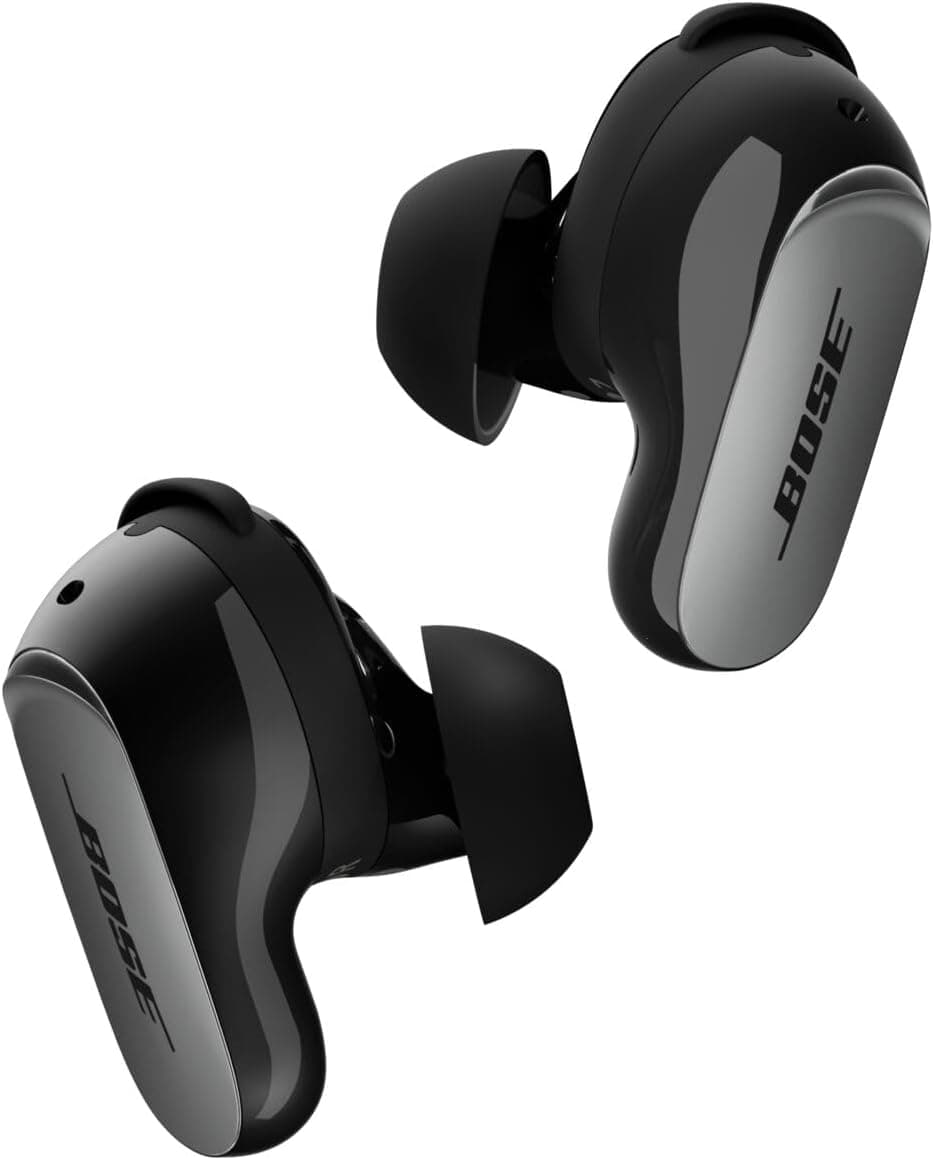
Bose QuietComfort Ultra Earbuds 2nd Gen Wireless Noise Cancelling
The most comfortable premium earbuds for extended wear. CustomTune calibrates ANC and sound to your specific ear canal automatically. Bose Immersive Audio gives music a genuine spatial dimension. IPX4 rated, multipoint Bluetooth for two devices at once, and the most personalized ANC experience of any earbuds I have tried. Six hours per charge is the trade-off.
Soundcore Liberty 4 NC (Budget Pick)
If you want real noise cancellation at a fraction of the premium price, the Soundcore Liberty 4 NC is the honest answer. At around $50 to $60, it delivers 98.5% noise reduction, 10 hours per charge, 50 total hours with the case, LDAC support, and wireless charging. That combination of features at this price has no real competition.
The 11mm drivers produce warm, detailed sound that punches well above what you would expect here. LDAC support is rare below $100 and makes a difference in audio quality when paired with a compatible Android device. Wireless charging on the case means you drop it on a Qi pad and forget about it.
The adaptive ANC adjusts based on your ear and environment through Anker's ANC 2.0 system. It handles steady low-frequency noise, office hum, and commute rumble well. It does not match the Sony XM6 or Bose for blocking voices in a genuinely loud space, but for focused work sessions and daily commuting, it is effective and noticeable.
Honest limitation: call quality is below the premium options. The six-microphone setup is better than most budget earbuds, but in a windy or noisy outdoor environment, callers have mentioned hearing background noise. If you take a lot of important calls outdoors, it is worth spending more. For music and focus work, though, the performance-to-price ratio here is exceptional.
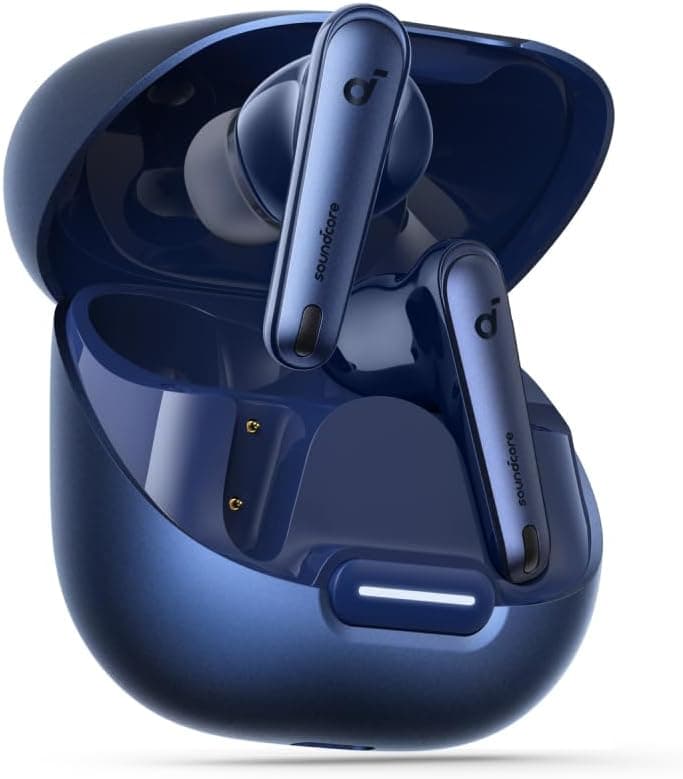
Soundcore by Anker Liberty 4 NC Wireless Noise Cancelling Earbuds
The best earbuds under $60. Real adaptive noise cancellation, LDAC support, 10 hours per charge, 50-hour total battery, wireless charging case, and IPX4 rating. Call quality is below the premium options, but for music, commuting, and focused work, nothing else comes close at this price.
Getting a Better Fit
Earbud fit affects everything: noise cancellation effectiveness, bass response, call quality, and whether the earbuds stay put during movement. If earbuds have always sounded thin or fallen out on you, the ear tip size is almost always the culprit.
Start with the smallest tip that creates a seal. The signal is a slight suction feeling when the earbud is properly inserted, and bass sounds noticeably fuller with a good seal versus without one. If you hear a lot of ambient sound even with ANC on, the seal is not holding.
If silicone tips do not work for your ear shape, try foam. Foam compresses when you insert the earbud and expands to fill your canal, which handles a wider range of shapes than silicone. The Sony XM6 and Bose Ultra 2 both include foam tips in the box. The Soundcore uses silicone only, but third-party foam tips that fit the nozzle size are available for a few dollars and are absolutely worth trying if fit is an issue.
What I Would Skip
A brand that spends heavily on lifestyle marketing and elegant packaging released earbuds priced around $180 that I tested out of curiosity. The noise cancellation was weaker than the Soundcore at one-third the price, battery lasted five hours, and ear tips came in two sizes only. Attractive branding is not a proxy for performance. The products on this list earned their spots through actual feature comparisons, not aesthetics.