Natural DIY Cleaning Products: Non-Toxic Recipes
Make your own non-toxic cleaning products at home, all-purpose cleaner, glass cleaner, laundry detergent, and more using simple, affordable ingredients.
I switched to homemade cleaning products a few years ago, and I'm not going back. It started when I was pregnant and suddenly hyper-aware of every chemical in our house, the fumes from the all-purpose cleaner, the harsh smell of the bathroom spray, the ingredient list on the laundry detergent that read like a chemistry exam.
So I started experimenting. And honestly? The homemade versions work just as well for everyday cleaning, cost a fraction of the price, and my house smells like a spa instead of a chemical plant.
I'm not going to pretend that a vinegar spray replaces heavy-duty degreasers for every situation. But for the daily wiping, mopping, and freshening that makes up 90% of household cleaning, these DIY solutions are fantastic.
Here's everything I keep stocked and the recipes I use most.
Ingredients to Keep on Hand
You can make almost every cleaning product in this post with just a handful of base ingredients. Buy them once and they'll last you months.
White distilled vinegar. The workhorse of natural cleaning. It disinfects, cuts grease, removes mineral deposits, and deodorizes. Buy the big gallon jug, you'll use a lot of it. Note: don't use vinegar on natural stone (marble, granite) or unsealed wood. The acid can damage these surfaces.
Baking soda. Mildly abrasive, deodorizing, and great for scrubbing. It works beautifully on sinks, tubs, and anywhere you need gentle scouring power.
Castile soap. Dr. Bronner's is the classic choice. It's plant-based, biodegradable, and incredibly versatile. A little goes a long way, a 32-ounce bottle lasts our family several months.
Washing soda. Not the same as baking soda. Washing soda (sodium carbonate) is a stronger cleaner and a key ingredient in homemade laundry detergent. You can find it in the laundry aisle of most grocery stores.
Hydrogen peroxide (3%). A gentle bleach alternative that disinfects and whitens. Keep it in its dark bottle, it loses effectiveness when exposed to light.
Essential oils. These are optional but make everything smell wonderful and many have antimicrobial properties. My favorites for cleaning: tea tree (antibacterial), lavender (calming scent, antibacterial), lemon (grease-cutting, fresh scent), eucalyptus (antimicrobial), and peppermint (energizing, deters pests).
Spray bottles. Glass is ideal (especially with essential oils, which can break down plastic over time), but any clean spray bottle works. Label everything clearly.
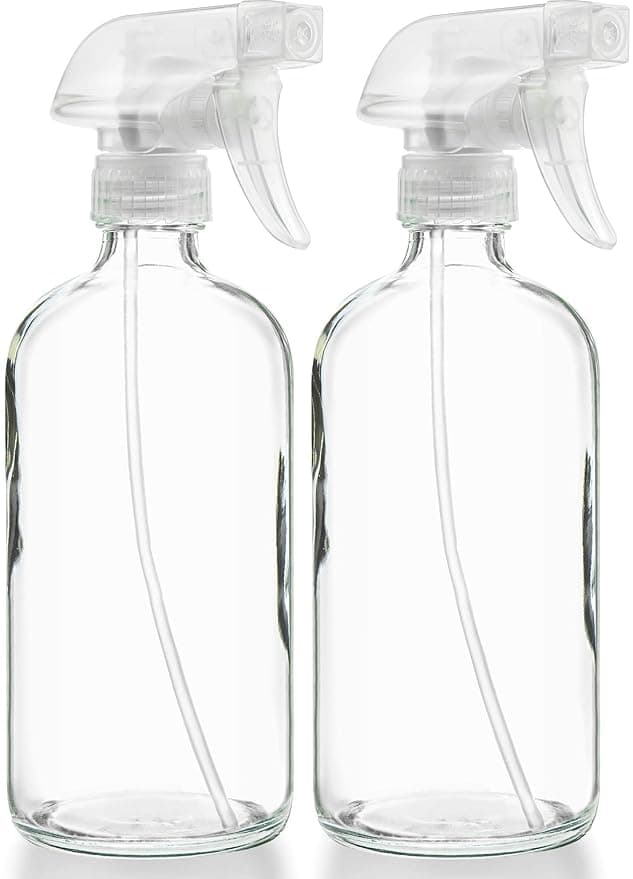
Sally's Organics Clear Glass Spray Bottles, 16 oz Refillable (2-Pack)
Amber glass bottles that protect essential oil blends from light degradation. Includes waterproof labels and a fine mist sprayer.
All-Purpose Cleaner
This is the recipe I reach for most. It lives on my kitchen counter and I use it on countertops, tables, appliances, bathroom surfaces, and pretty much everything else.
Recipe:
- 1 cup water
- 1 cup white vinegar
- 10-15 drops essential oil (I use lemon and tea tree)
- Spray bottle
Combine everything in a spray bottle, shake gently before each use, and spray away. If the vinegar smell bothers you, add more essential oil or use citrus-infused vinegar (soak lemon or orange peels in vinegar for two weeks, then strain).
Where I use it: Kitchen counters, stovetop, sink, dining table, bathroom counters, toilets (exterior), mirrors, and any hard surface that needs a quick wipe.
Where to avoid it: Natural stone countertops, unsealed hardwood, and anything marble.
Glass and Mirror Cleaner
For streak-free windows and mirrors, this works just as well as the blue stuff.
Recipe:
- 1 cup water
- 1 cup white vinegar
- 1 tablespoon cornstarch
- Spray bottle
Shake well before every use (the cornstarch settles). Spray, wipe with a lint-free cloth or newspaper. The cornstarch is the secret, it helps achieve that streak-free finish.
Soft Scrub Cleaner
For bathtubs, sinks, tile, and anywhere you need a little scrubbing power.
Recipe:
- 1/2 cup baking soda
- Enough liquid castile soap to make a paste
- 5-10 drops tea tree or lemon essential oil
Mix into a paste, apply with a sponge or brush, scrub, and rinse. It's gentle enough for porcelain but effective enough to remove soap scum and light stains. I mix this fresh each time since it only takes a minute.
Homemade Laundry Detergent
This is the recipe that saves us the most money. A batch lasts our family of four about two months and costs roughly three dollars to make.
Recipe:
- 1 bar castile soap or Fels-Naptha, grated
- 1 cup washing soda
- 1 cup baking soda
- 15-20 drops lavender essential oil (optional)
Grate the soap finely (a food processor works great for this, use one designated for non-food purposes or wash thoroughly after). Mix all dry ingredients together. Store in a sealed container.
Use: 2 tablespoons per load. It works in both standard and HE machines. For heavily soiled loads, add an extra tablespoon.
A note on expectations: Homemade laundry detergent works well for everyday loads. For heavily stained kids' clothes or cloth diapers, I keep an oxygen-based stain booster on hand as a supplement.
Floor Cleaner
For mopping tile, vinyl, and sealed hardwood floors.
Recipe:
- 1 gallon hot water
- 1/4 cup white vinegar
- 1 tablespoon castile soap
- 10 drops essential oil of choice
Mop as usual. The castile soap provides cleaning power while the vinegar cuts through grime. Don't use too much soap or you'll get a residue, a little goes a long way.
For sealed hardwood specifically, I sometimes skip the vinegar and just use water with a few drops of castile soap. Opinions differ on vinegar and hardwood, so use your judgment based on your floor's finish.
Toilet Bowl Cleaner
Recipe:
- 1/2 cup baking soda
- 1/4 cup white vinegar
- 10 drops tea tree essential oil
Sprinkle baking soda into the bowl, add vinegar (it will fizz, the kids think this is the most exciting thing ever), add essential oil, let it sit for 15 minutes, scrub with a toilet brush, and flush. Simple, effective, and no harsh fumes.
Essential Oil Blends for Cleaning
Here are my favorite combinations:
Fresh and clean: Lemon + tea tree + eucalyptus. This is my go-to for kitchen cleaning. It smells like a clean house without being perfumey.
Calming clean: Lavender + lemon. I use this for bedrooms and bathrooms. It's soothing and fresh at the same time.
Energizing clean: Peppermint + orange + rosemary. Great for when you need motivation to tackle the kitchen after a long day.
Holiday clean: Cinnamon + clove + orange. Seasonal but wonderful. Makes the whole house smell like fall baking. This pairs perfectly with seasonal wreath-making sessions when you want the whole house to feel festive.
Tips for Success
Label everything. When you have multiple spray bottles on the shelf, clear labels prevent confusion. Include the recipe and date made.
Make small batches. These recipes don't contain preservatives, so they're best used within a month or two. Make what you'll use and mix fresh batches regularly.
Test first. Before using any new cleaner on a surface, test it in an inconspicuous spot. This is especially important for fabrics and finished surfaces.
Don't mix vinegar and castile soap directly. They're both great cleaners but chemically cancel each other out when combined in the same solution. The castile soap becomes un-soapy. Use one or the other as the base for each recipe.
Don't mix vinegar and hydrogen peroxide in the same bottle. Used sequentially (spray one, wipe, then spray the other) they make a powerful disinfecting duo. But combined in a container, they create peracetic acid, which can irritate skin and lungs.
Store properly. Keep baking soda and washing soda in airtight containers so they don't absorb moisture. Store hydrogen peroxide in its original dark bottle. Keep essential oils out of direct sunlight.
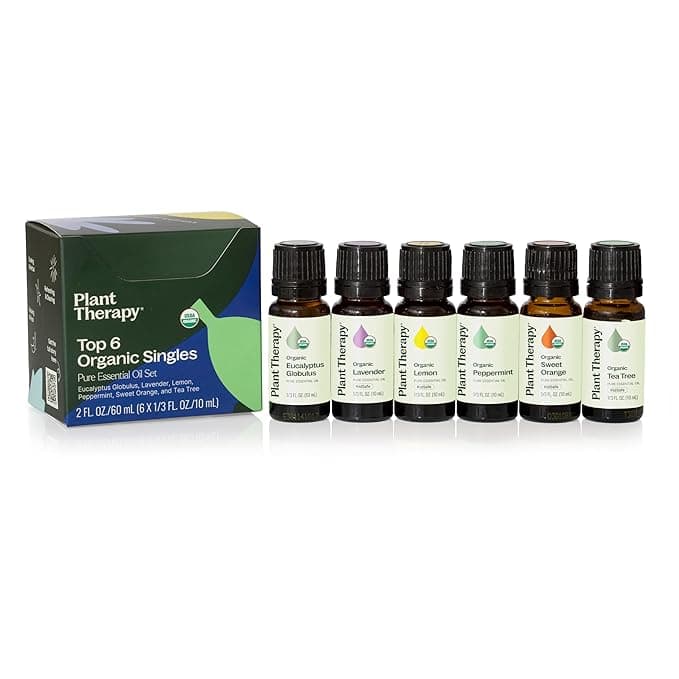
Five therapeutic-grade essential oils perfect for DIY cleaning recipes. Each bottle is 10ml and lasts through dozens of batches.
Is It Actually Worth It?
Short answer: yes, both financially and practically.
A gallon of white vinegar costs a couple of dollars. A box of baking soda is about a dollar. A bottle of castile soap runs around fifteen dollars but lasts months. Compare that to buying individual bottles of counter spray, glass cleaner, bathroom cleaner, floor cleaner, and laundry detergent, you'll save real money, especially over time.
Beyond cost, I love knowing exactly what's in every product I use. There's no mystery ingredient list, no synthetic fragrances triggering headaches, no warning labels about ventilation. Just simple, effective ingredients that I feel good about using around my kids and pets. It fits right into our broader approach of living more self-sufficiently and knowing what goes into the things our family uses every day.
Start with one recipe, the all-purpose cleaner is the easiest entry point. Once you see how well it works and how simple it is, you'll probably want to try the rest.